
Negatif Faiz Oranlarının Eğilimi
Causes and Background
The monetary policy of the 19 countries in the Eurozone is determined by the European Central Bank (ECB). Since the ECB's key interest rate has been in negative territory since June 2014, banks must pay negative interest when they deposit money with the ECB. Specifically, this means that banks currently have to pay a negative interest rate of -0.5% when they store money at the central bank. Many financial institutions can no longer fully bear these additional costs and are passing them on to private investors.
The so-called custody fees are noted in the price listings and currently amount to up to -0.6%. It should be noted that negative interest rates are usually only levied on the portion of the account balance that exceeds the exemption limit. The exemption limit is determined by the bank.
By imposing penalty interest, the European Central Bank hopes to stimulate the economy by encouraging financial institutions to grant more loans to businesses. However, for this approach to be effective, it must first make its way into the real economy. Otherwise, negative interest rates could pose an additional burden for banks.

Reduction of Exemption Limits
More than 400 savings banks and banks in Germany now impose negative interest rates. For example, Commerzbank plans to reduce the exemption limit from 100,000 euros to 50,000 euros on August 1st. This affects new customers and those who joined the bank after July 1, 2020.
This is not an isolated case. According to FAZ, within a few weeks, 15 banks lowered their exemption limit to 50,000 euros or less. In most cases, customers are asked to sign an agreement. If they do not, financial institutions are allowed to terminate existing account contracts.
In the initial phase, a lawsuit against negative interest rate regulations had a relatively high chance of success. However, banks have since revised their strategy, leaving less room for legal challenges. As large banks like Commerzbank reduce their exemption limits, the number of affected customers continues to rise.
What Can Customers Do?
Banks often offer their customers consultations to inform them about negative interest rates and explain how to deal with them. In many cases, customers are then offered the bank's own in-house products, which are not necessarily the best financial solution. Generally, it is recommended that customers seek direct communication with the bank to facilitate finding an individual solution. Additionally, distributing funds across multiple current accounts at different financial institutions or switching banks is a potential solution. However, it should be noted that penalty interest may also be imposed at these institutions in the future. Another alternative is investing in stocks and bonds, although this carries a certain level of risk. For less risk-averse customers who do not want to invest or distribute their money, renting a safe deposit box is recommended.
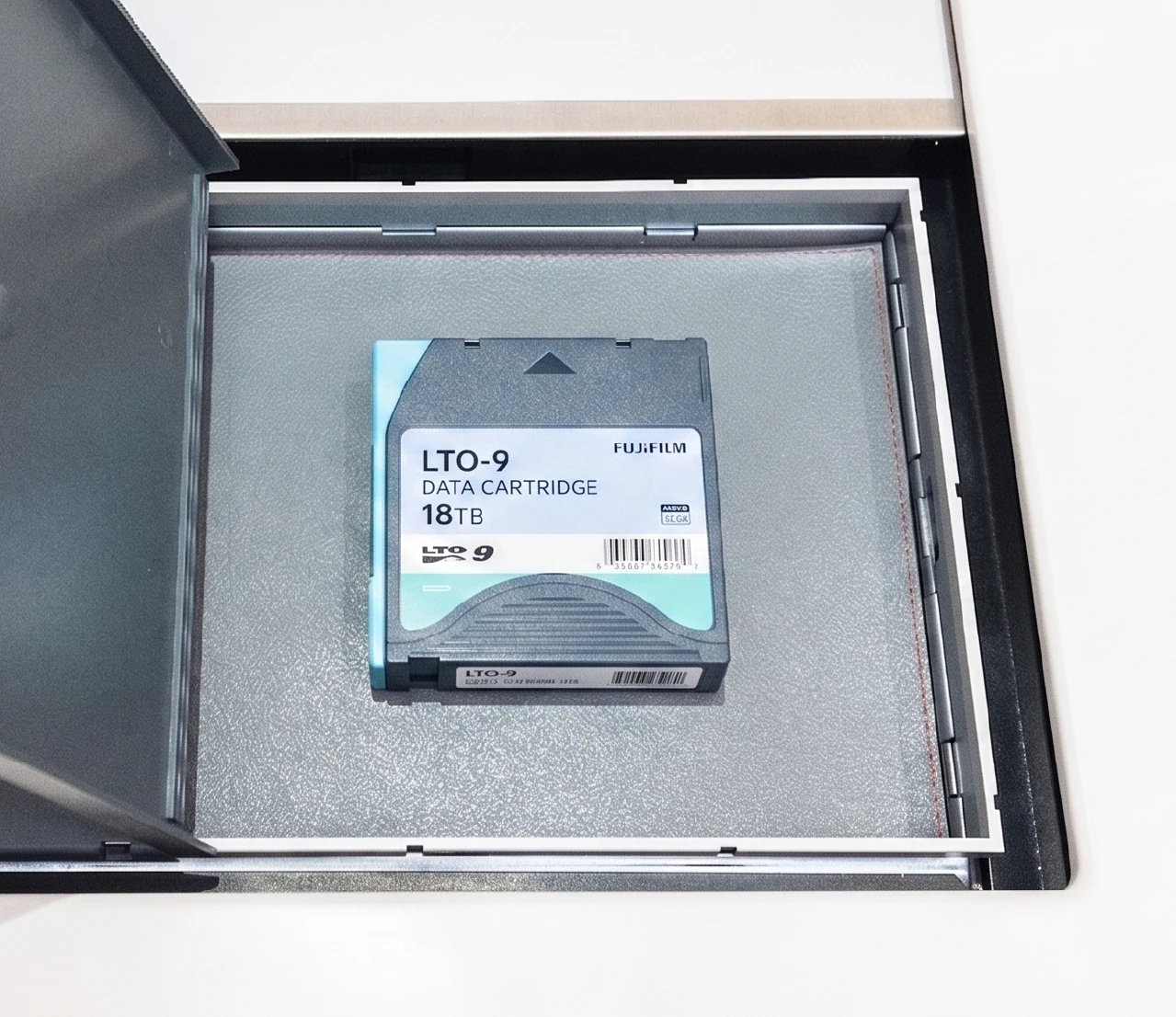
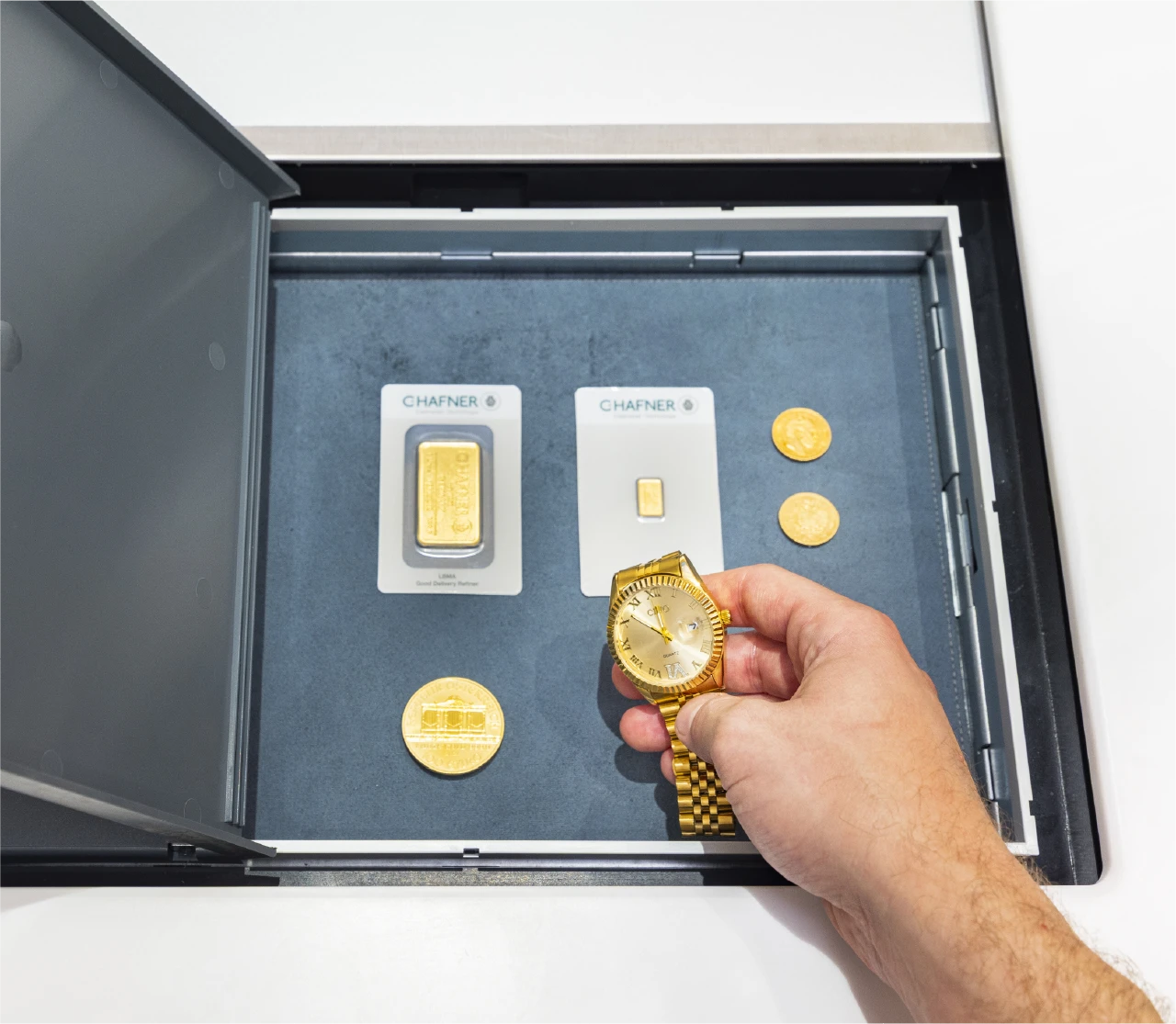
As traditional bank safe deposit boxes are gradually becoming a thing of the past with the decline of banks, Trisor GmbH builds state-of-the-art vaults that are completely digitally managed. The security company's vaults are accessible at any time without prior appointment, offering the highest level of security through 15 cm thick reinforced concrete walls and are provided via robotics in a dispensing compartment within a secured customer booth.
The process from registration to opening a personal safe deposit box is quick and straightforward. After online registration and on-site identity verification, the safe deposit box can be used independently. The contents of every safe deposit box are insured by the landlord up to EUR 5,000.00 through an All-Risk insurance policy. There is also the option to take out additional insurance up to EUR 500,000 when renting the safe deposit box. Upon request, a higher insurance sum can be individually arranged.

Gold Price Trends Explained: The Structural Drivers at a Glance
Gold price trends explained: how real interest rates, central bank policy, the dollar, geopolitics and supply interact – with current data from the World Gold Council and Bundesbank.
Gold as an Inflation Hedge: What the Data Really Shows


Buying Silver: Why You Pay VAT – But Not on Gold
Gold Price Trends Explained: The Structural Drivers at a Glance
Gold as an Inflation Hedge: What the Data Really Shows