
Cash at Home – What's Allowed, Sensible and Safe
In Germany, there is no legal upper limit on how much cash you can keep at home. Holding cash is legal and not a criminal offence. However, larger amounts of cash should be stored securely, as risks such as burglary, fire or water damage can lead to significant losses.

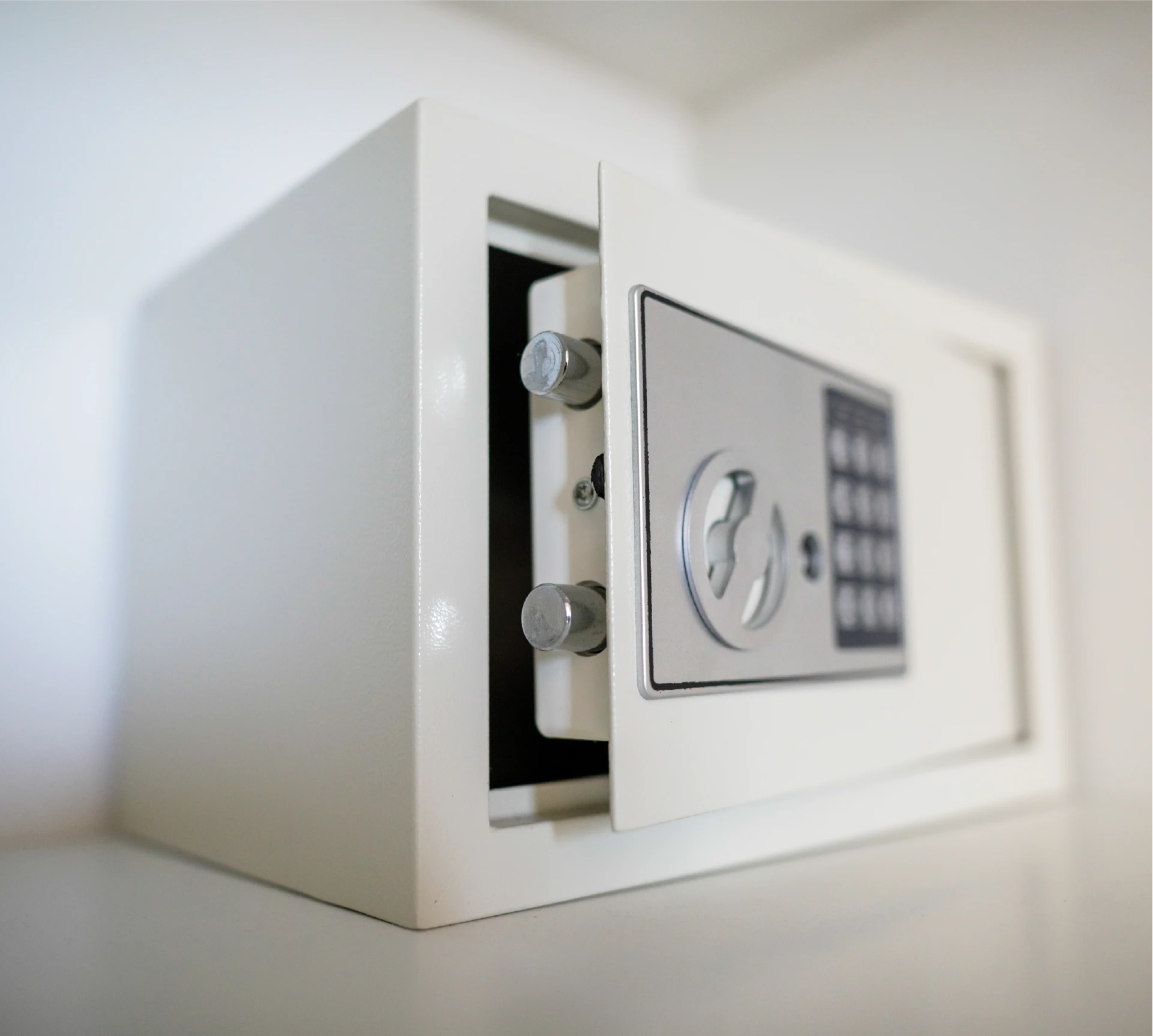
How much cash can you keep at home?
Many people ask themselves: "How much cash can you keep at home?"
The answer is clear: there is no legal limit on cash in the home in Germany.
You are generally allowed to store any amount of cash at home. Neither the tax authority nor any other government body stipulates how much cash may be kept privately.
It is important to note, however: for larger sums of cash, you should be able to prove the origin of the money. This applies in particular if the money is later paid into an account or used for larger purchases.
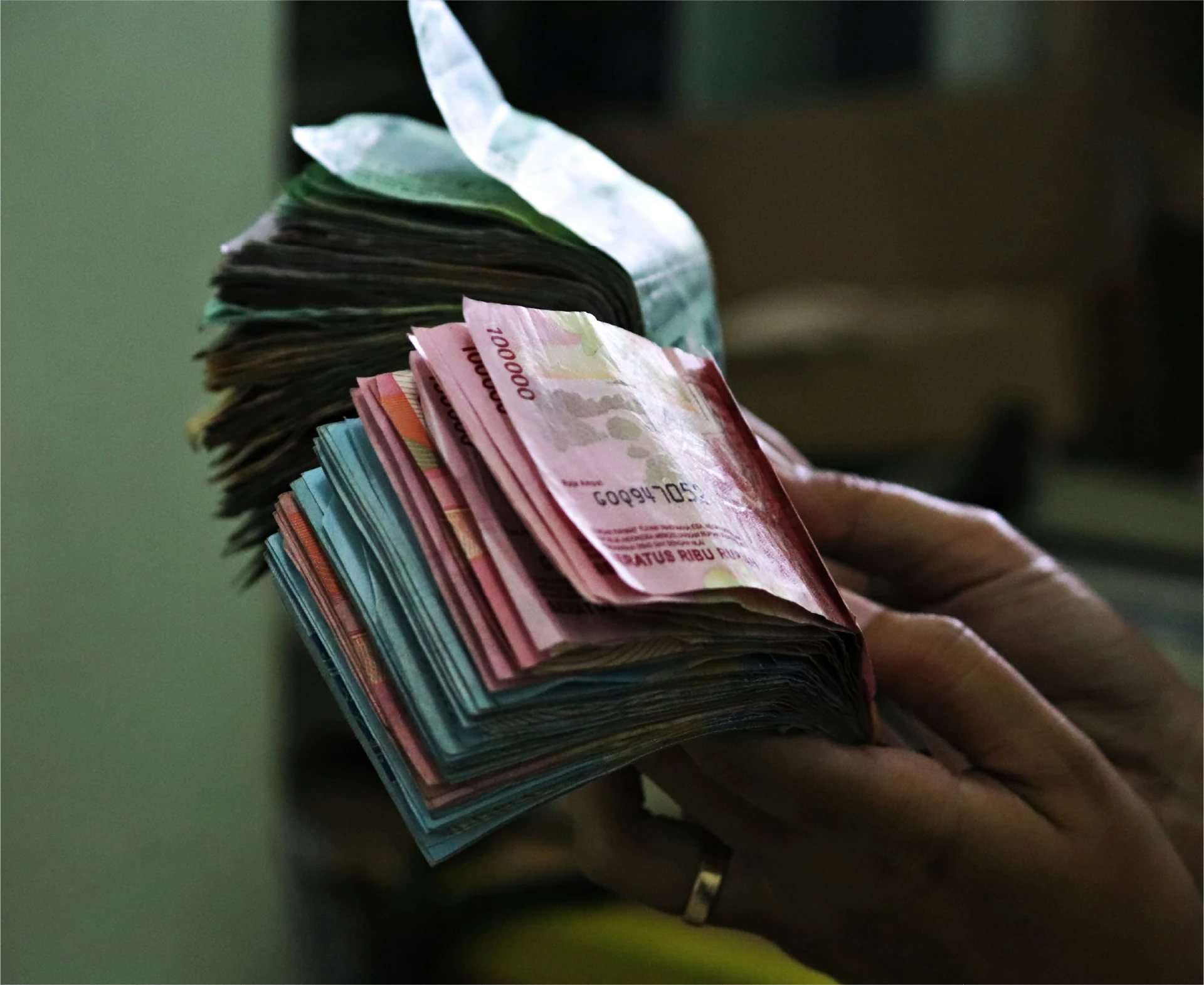
Is storing money at home illegal?
No. Storing money at home is not a criminal offence.
Holding cash is perfectly legal. It only becomes problematic if the origin of the money cannot be traced or if criminal offences such as tax evasion or money laundering are involved.
For private individuals, the following therefore applies:
Keeping cash at home is permitted
There is no legal maximum limit
The origin of larger amounts should be documented

How much cash should you keep at home?
Many experts recommend keeping a manageable emergency reserve available. The exact amount depends on your personal situation.
Typical reasons for holding cash reserves:
Power or internet outages
Short-term expenses
Technical problems with payment transactions
Personal crisis situations
A smaller cash reserve can be sensible for everyday needs or short-term emergencies. Larger assets, on the other hand, should be stored particularly securely.
The Risks of Keeping Cash at Home
Anyone who keeps cash at home should be aware of the risks.
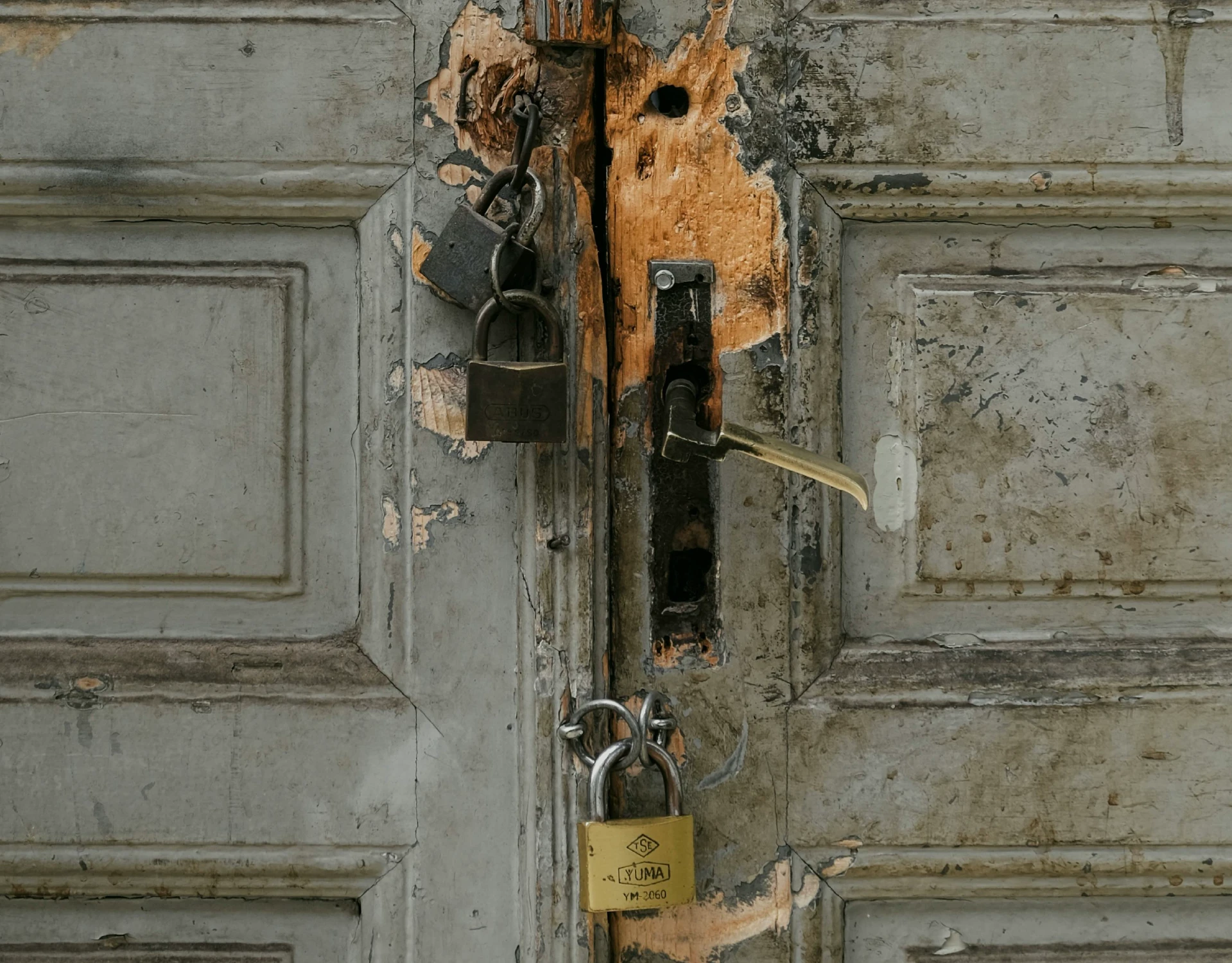
Burglary
Burglars specifically look for cash, jewellery and valuables. A particular problem is that many people use similar hiding places.
Popular places in the home include:
Drawers
Wardrobes
Bedside tables
Bookshelves
Mattresses
Freezer compartments
These places are often known to burglars and are specifically searched during a break-in.

Household contents insurance often only covers cash to a limited extent
Many household contents insurance policies only cover cash up to certain maximum limits. The exact amount depends on the respective tariff. Without a suitable safe, the compensation limits can be significantly lower.
Find out what is actually covered in the event of a claim in our guide to household contents insurance.
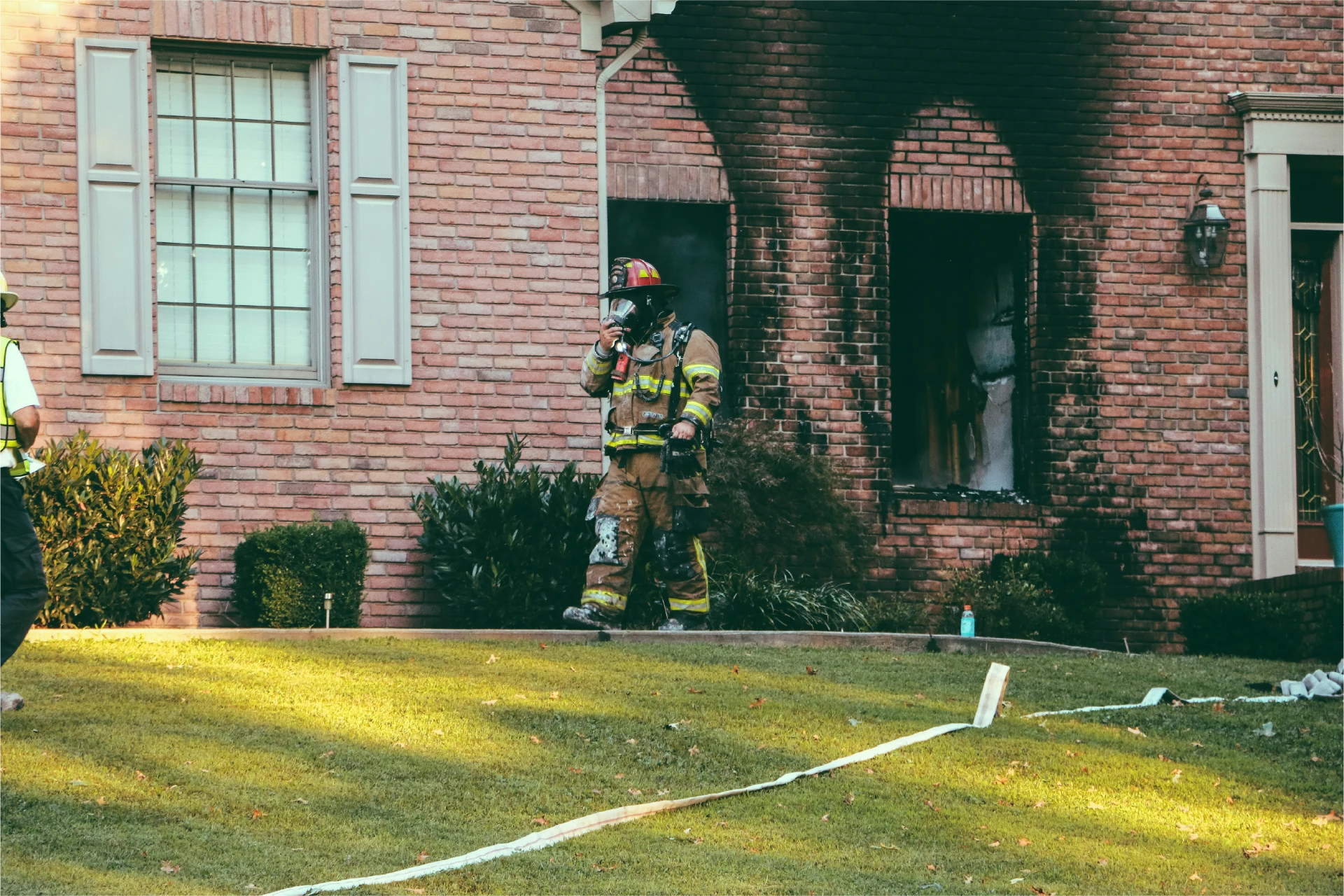
Fire and Water Damage
In addition to burglary, fires or water damage can also lead to total loss. Unlike money in a bank account, cash is not automatically insured. If it is destroyed or stolen, it can often not be replaced.
At Trisor, every safe deposit box is automatically covered by All-Risk insurance and can be flexibly extended as required. More about our insurance services.
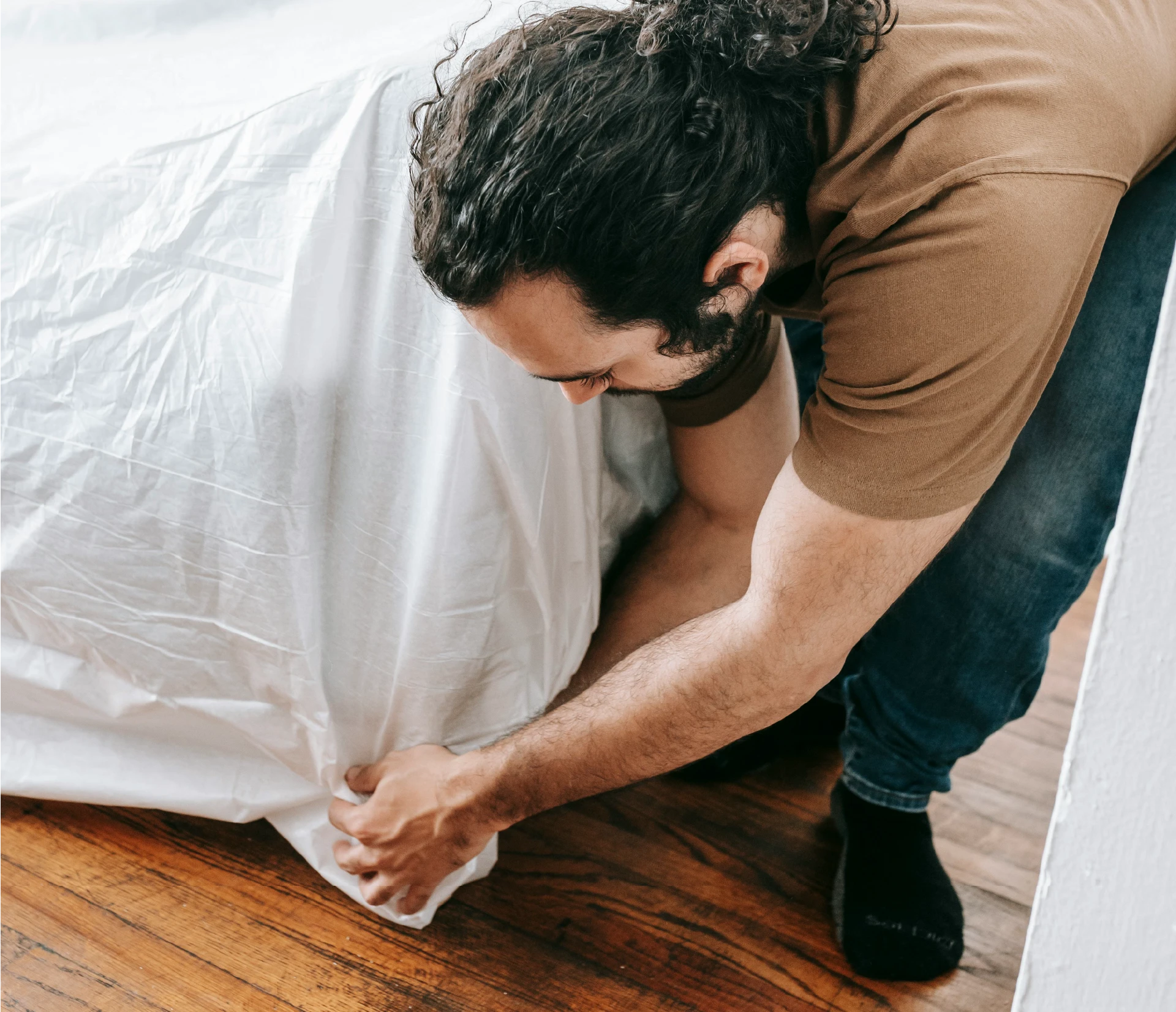
Hiding Places at Home: Are They Really Safe?
Those searching for a 'hiding place' or 'hiding places for cash' are often looking for ways to protect their money from theft.
In reality, however, many creative hiding places offer only an illusion of security.
Professional burglars already know most of the typical hiding places. Even unusual locations often provide insufficient protection against theft, fire or water damage.
This raises the question not only of where cash is hidden, but whether storing it at home is really the safest solution at all.
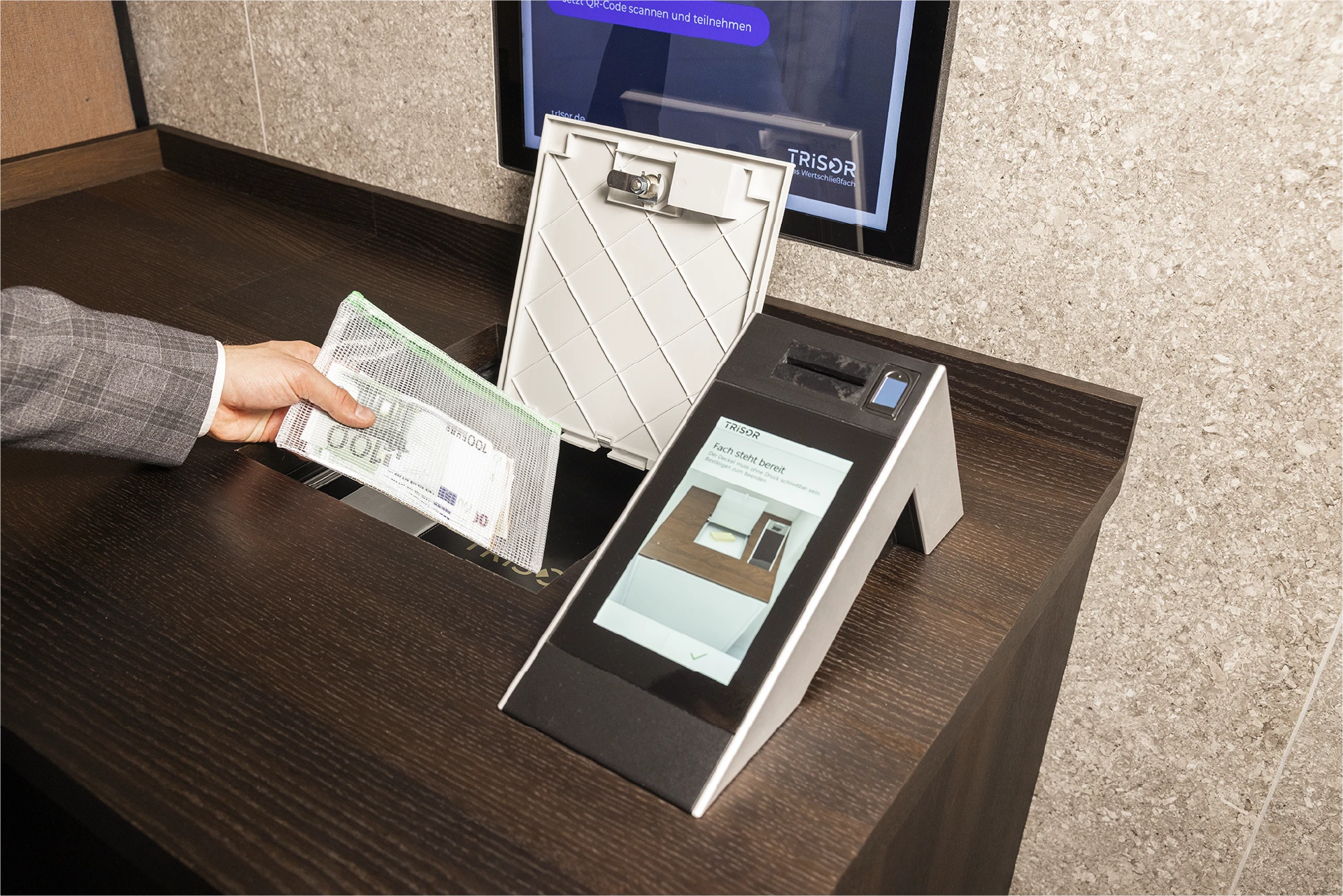
When does a safe deposit box make sense?
The larger the sum of cash, the more important professional storage becomes. A safe deposit box can be particularly useful for:
Larger cash reserves
Emergency reserves
Precious metals
Jewellery
Important documents
Collectibles
At Trisor, valuables are stored in high-security safe deposit box facilities – independent of bank opening hours and with 24/7 access for customers.
Advantages of a Safe Deposit Box Compared to Home Storage
Your own four walls feel safe – but for cash, jewellery and important documents, the home is rarely the best place to store them. The direct comparison shows exactly where the differences lie.
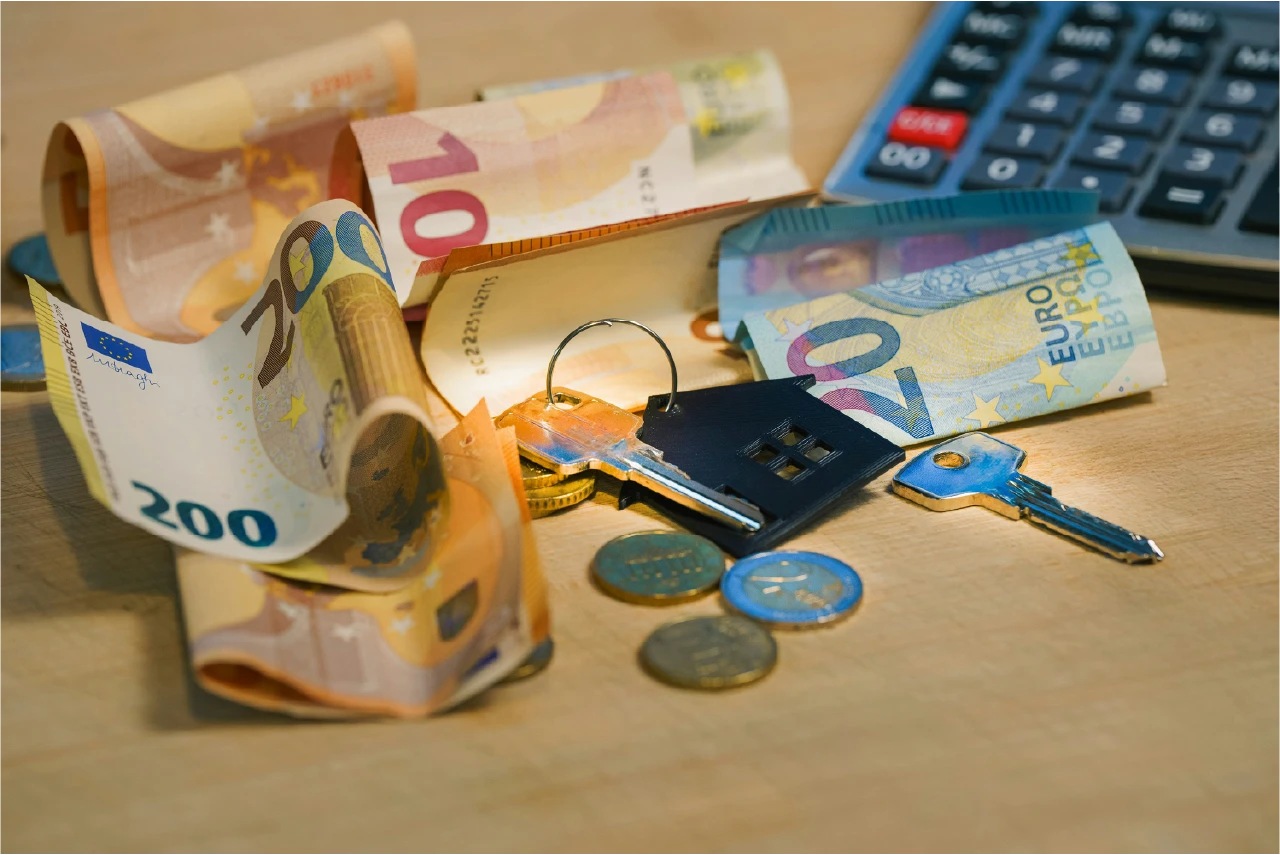
Cash at Home
Risk of burglary
Limited insurance coverage
Risk of fire or water damage
Hiding places often known
Security level depends on place of residence
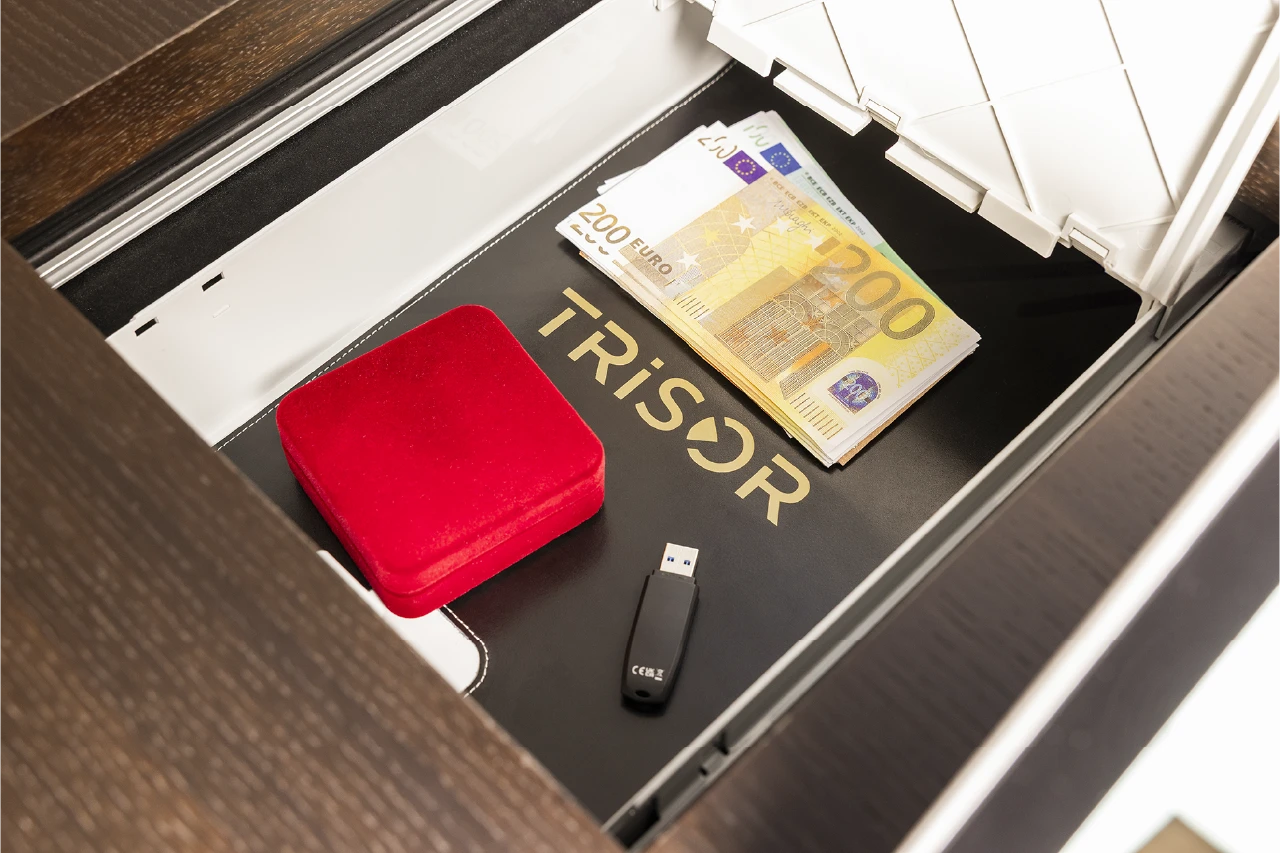
Safe Deposit Box
High-security facility
Specialised asset protection solution
Additional insurance options
Professional security standards
Discreet custody
Conclusion: Cash at home is permitted – but not always sensible
In Germany, there is no legal upper limit on cash in the home.
However, anyone who stores larger sums of money in the long term should take the actual risks into account. Burglary, fire and water damage can quickly lead to significant losses.
For smaller emergency reserves, cash at home can make sense. Larger assets, on the other hand, should be stored as securely as possible.
A safe deposit box offers a professional alternative with a high level of security and permanent access.