
Home Contents Insurance: What’s Actually Covered?

A fire started by a candle, a burglary targeting high-value electronics, or water damage destroying furniture can wipe out significant value in minutes. In the event of a claim, contents insurance reimburses the cost of replacing damaged or stolen items at their current replacement value.
As the name suggests, home contents insurance covers everything that belongs to a household. Insurers typically categorise insured items as follows:
- Furnishings such as furniture, artwork, curtains and rugs
- Personal belongings such as clothing, appliances, books and computers
- Consumables, cash and valuables including jewellery and artwork
- Fitted items permanently attached to the property, such as built-in kitchens or bathroom fixtures
- Miscellaneous items such as sports equipment, bicycles and vehicle accessories
A simple rule of thumb: if you'd take it with you when moving house, your contents insurance should cover it.
What Does Home Contents Insurance Cover?
Standard contents insurance covers damage caused by:
- Lightning, storms and hail
- Burst pipes and water damage
- Fire, explosion and implosion
- Burglary and vandalism
- Theft or robbery while travelling
Most insurers offer optional add-ons for an additional premium, including:
- Damage caused by gross negligence
- Power surges caused by lightning strikes
- Glass breakage on windows, mirrors and furniture
- Natural disaster damage including flooding, earthquakes, landslides, avalanches and backflow
- Scorching or smouldering damage (e.g. from a cigarette)
- Theft of garden furniture, garden equipment or laundry left outside
- Theft from motor vehicles
- Bicycle theft
- Water leakage from aquariums or waterbeds
- Breakage of glass-ceramic hob surfaces
Since personal circumstances change over time, it's worth reviewing your policy regularly — both in terms of coverage and the insured sum.
What Is Not Covered?
Contents insurance does not cover:
- Damage caused intentionally by the policyholder
- Damage resulting from nuclear events, war or civil unrest
- Theft through distraction or social engineering where no forced entry occurs
Before signing a policy, it's worth reading the fine print carefully. Many claims generate secondary costs — such as emergency locksmith fees or temporary accommodation — that may or may not be covered depending on your policy.
Contents Insurance While Travelling — Away-from-Home Cover
In most cases, your belongings are also covered when you travel. The away-from-home clause is a standard part of contents insurance and protects items temporarily outside the home — typically worldwide and for up to three months.
Laptops, cameras and clothing are therefore protected not just on holiday, but also in everyday situations such as robbery with threat of violence. Straightforward theft, however, is generally excluded, as insurers classify it as a general life risk.
One important caveat: the maximum payout under away-from-home cover is significantly lower than the main policy sum — most insurers cap it at 10% of the total insured value.
Where Contents Insurance Falls Short for High-Value Items
Contents insurance covers valuables — but with strict limits. In most policies, jewellery, cash, gold, artwork and antiques are only covered up to 20% of the total insured sum. On a €50,000 policy, that's a maximum of €10,000 for all valuables combined — regardless of their actual value.
Two further limitations that are frequently overlooked:
Proof of ownership: Without purchase receipts, photographs or professional valuations, insurers can reduce or refuse a payout. Items that were inherited, gifted or bought without a receipt are particularly at risk.
Safe deposit boxes and away-from-home cover: Valuables stored long-term in a bank safe deposit box fall under away-from-home cover — meaning the same 10% cap applies, and coverage may be limited to temporary storage only. Anyone storing significant assets externally on a long-term basis should check carefully whether their policy actually covers this scenario.
Burglary and Contents Insurance — What Insurers Often Won't Pay
Burglary detection rates are low. Police and consumer protection bodies therefore recommend documenting your possessions before a claim occurs — through photos, purchase receipts and valuations. Without this evidence, insurers may argue that a policyholder acted with gross negligence and decline the claim entirely.
High-value items such as cash, gold, jewellery and artwork are especially difficult to claim for without prior documentation.
Protecting Valuables Long-Term — An Alternative Worth Considering
For anyone who wants to protect high-value items without relying on policy sublimits or documentation requirements, external secure storage is worth considering.
Trisor offers private high-security safe deposit boxes outside the home, in fully automated facilities certified to EN 1143-1 Grade 10. Every box comes with standard insurance cover of €5,000 against fire, theft and vandalism, with optional extensions up to €500,000.
Because valuables are stored outside the home, they fall outside the sublimits of a standard contents insurance policy. There is no separate proof-of-ownership requirement vis-à-vis your home insurer.

Gold Price Trends Explained: The Structural Drivers at a Glance
Gold price trends explained: how real interest rates, central bank policy, the dollar, geopolitics and supply interact – with current data from the World Gold Council and Bundesbank.
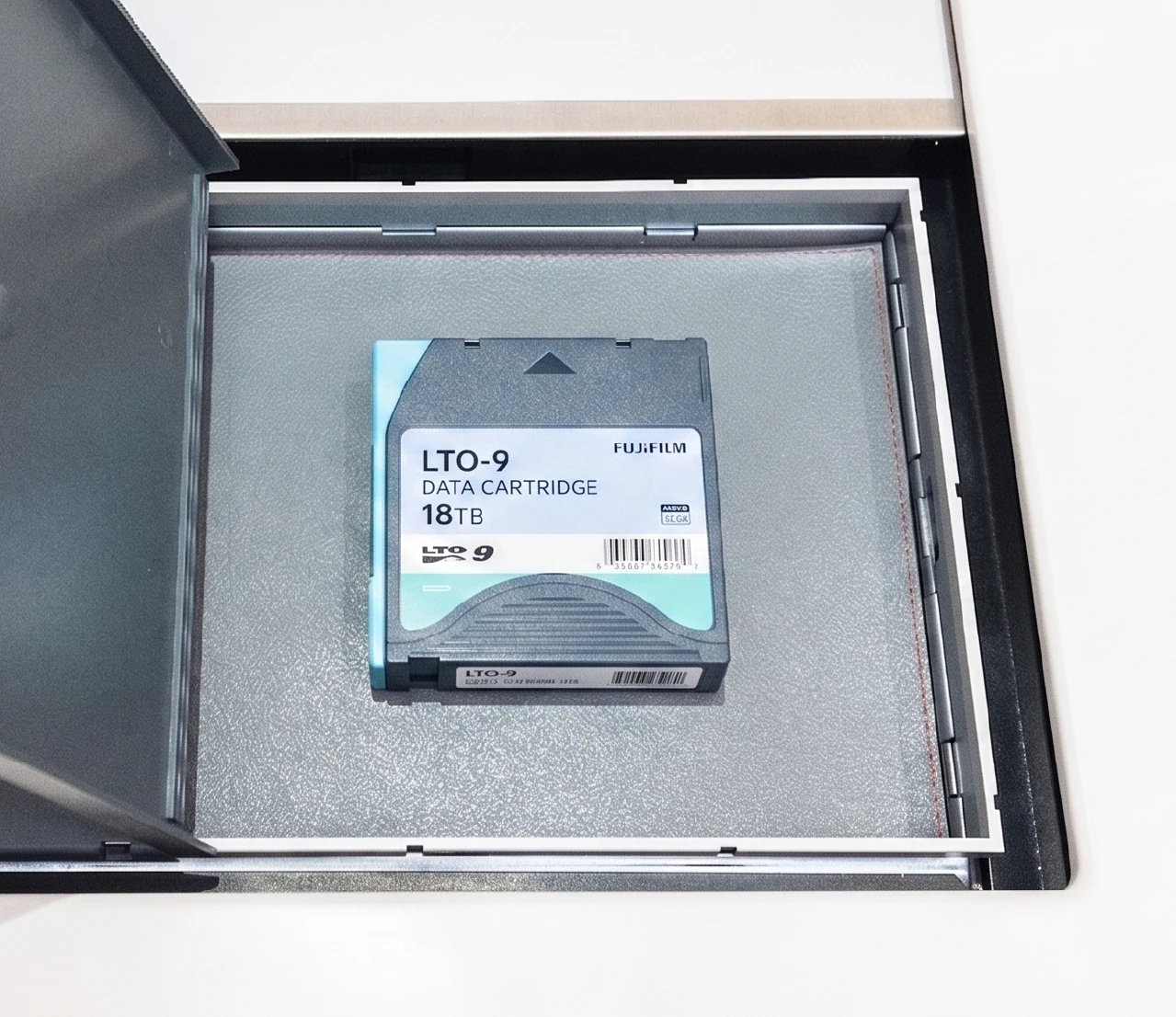

Gold as an Inflation Hedge: What the Data Really Shows
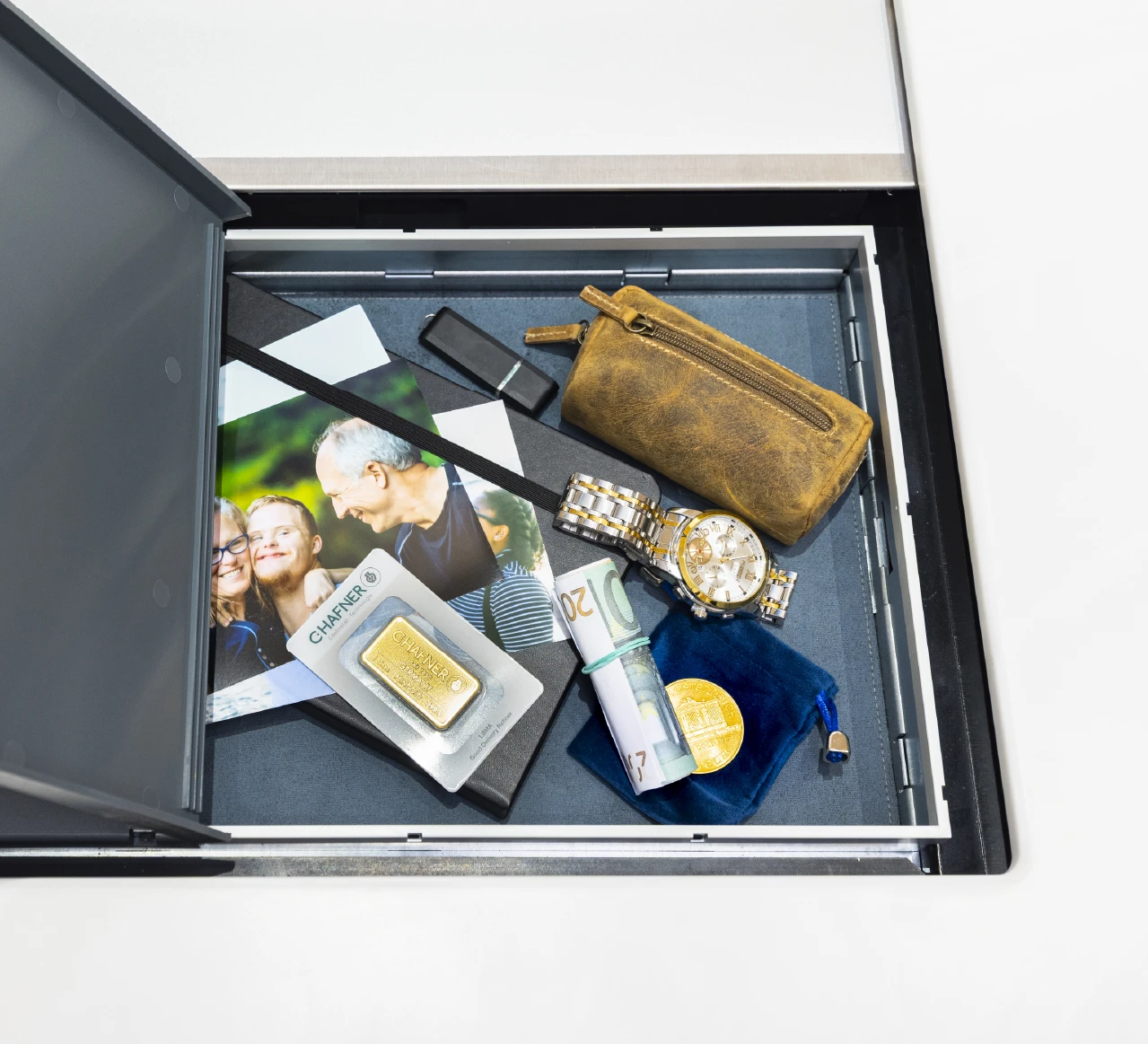

Buying Silver: Why You Pay VAT – But Not on Gold
Gold Price Trends Explained: The Structural Drivers at a Glance
Gold as an Inflation Hedge: What the Data Really Shows