
How to Buy Gold: A Beginner’s Complete Guide
Interest in physical gold has never been higher. According to a 2025 GOLD.DE study, one in three Germans is considering gold as part of their personal financial security – and the trend is global. Since 2022, the gold price has more than doubled, sitting at roughly €3,750–3,800 per troy ounce in mid-2026.
For first-time buyers, the questions come quickly: bars or coins? How much? Where to buy – and where to store it safely?
This guide covers everything you need to know.
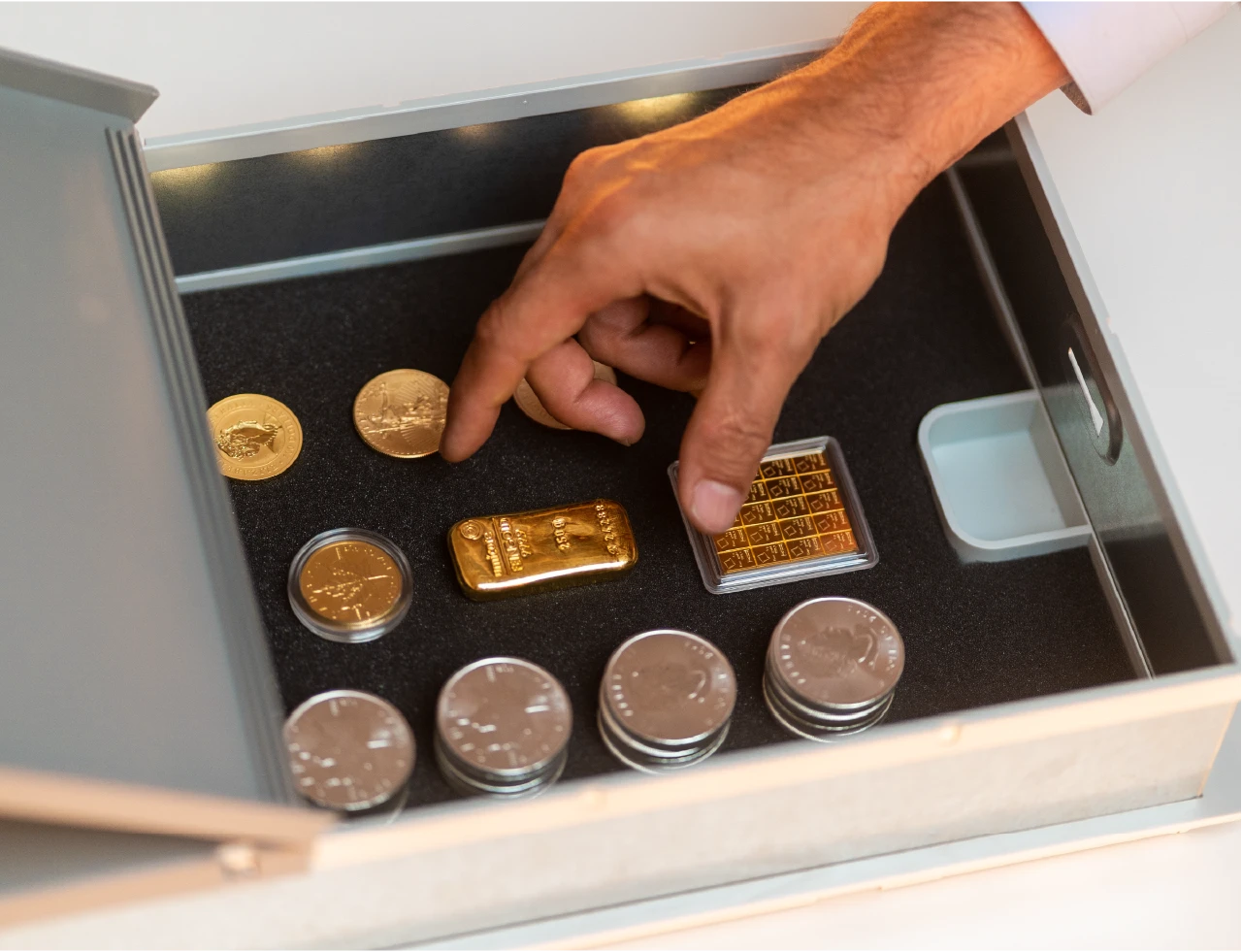
1. Why Gold? – More Than a Trend
Gold has served as a store of value for thousands of years – and that hasn't changed. As a scarce, finite asset, it sits outside the reach of monetary policy in a way that paper currency simply cannot. That's a core part of its appeal.
What makes gold attractive for beginners:
- Inflation hedge: Over long time horizons, gold has tended to preserve purchasing power. In the short term, however, prices can be volatile.
- Crisis resilience: Gold is widely regarded as a safe haven during geopolitical or market turbulence. According to the World Gold Council, central banks globally purchased a net 1,092 tonnes of gold in 2024 alone – a record year.
- No counterparty risk: Physical gold isn't a promise from a bank or corporation. It exists independently of any institution.
- Tax-free gains after one year: In Germany, profits from selling physical gold held for more than twelve months are tax-free.
Worth noting: Gold doesn't pay interest or dividends. It's a store of value, not an income-generating asset – and should be approached as such.
2. Which Form? – Bars vs. Coins
The first practical decision when buying gold: bars or coins? Both are physical gold, but they differ in several meaningful ways.
Gold Bars
Bars are generally the most cost-efficient way to hold gold. They're produced by certified refiners such as C.HAFNER, Heraeus or Degussa, and are recognised worldwide.
Advantages:
- Lower premiums over the gold price
- Standardised weight units (1 g, 5 g, 10 g, 1 oz, 100 g, 250 g, 500 g, 1 kg)
- Compact and easy to store
- Well-suited for larger investment amounts
Disadvantages:
- Less flexible for partial sales (a 100 g bar can't be split)
- Smaller bars carry proportionally higher premiums
Gold Coins
Bullion coins like the Krugerrand, Maple Leaf or Vienna Philharmonic are globally recognised and highly liquid. They're a natural starting point for buyers who want smaller, divisible units.
Advantages:
- High recognisability and liquidity
- Easy to hold in individual units
- Available in small denominations (1/10 oz, 1/4 oz, 1/2 oz, 1 oz)
Disadvantages:
- Higher premiums than comparable bars
- Collector or commemorative coins are not investment products – watch out for inflated premiums
A practical rule of thumb: Fractional coins in 1/10 oz or 1/4 oz sizes make gold accessible at lower entry points. For larger amounts, bars typically offer a lower premium per gram and are worth comparing.
3. How Much Gold? – A Framework
How much gold to hold depends on individual circumstances. A few general benchmarks are widely used:
Portfolio allocation: Many financial commentators suggest 5 to 15 percent of total assets as a reasonable gold allocation – enough to provide a cushion without letting short-term price swings dominate the overall portfolio.
Gradual entry: Waiting for the “right moment” often means waiting indefinitely. Buying in stages over several months – similar to a savings plan – smooths out entry prices over time.
Keep a liquidity buffer: Gold isn't a liquid asset. Before buying, ensure there's enough accessible cash on hand for everyday needs and emergencies.
4. Where to Buy? – Choosing a Reputable Dealer
The gold market is largely well-regulated – but there are pitfalls. A few criteria to check before buying:
What to Look For
Certification and supply chain: Reputable dealers source gold exclusively from LBMA-certified producers (London Bullion Market Association), ensuring the metal is responsibly sourced and properly documented.
Transparent pricing: The purchase price consists of the current gold rate plus a premium. Reliable dealers show both components clearly. Comparing premiums across dealers is worthwhile – the difference can amount to several percent.
Identity verification: In Germany, dealers are legally required under the Anti-Money Laundering Act (GwG) to verify the buyer's identity for purchases of €2,000 or more. This is a legal requirement and a mark of legitimacy.
At Trisor locations, gold is available directly through Ziemann myValor – a certified precious metals specialist and the supplier behind Trisor's own gold shop. Purchase and secure storage can be handled in a single visit.
Red Flags to Watch Out For
- Prices significantly below market rate
- Missing legal information or company details
- Pressure to decide quickly
- Offers through social media without a verifiable background
5. Where to Store It? – The Question Most Beginners Overlook
Buying gold is only part of the picture. Where to keep it safely is a question that often gets less attention than it deserves.
Storing at Home: The Risks
Keeping gold at home is an option – but it comes with real downsides:
- Burglary risk: Without a certified safe, insurance coverage is often severely limited or absent entirely.
- Home contents insurance: Most policies cover cash and precious metals only up to low limits – often between €1,000 and €2,000.
- Fire and water damage: Receipts, certificates and original packaging can be destroyed, complicating any future sale.
- Discretion: The fewer people who know gold is at home, the better – but that's hard to guarantee over time.
Professional Storage: The Alternative
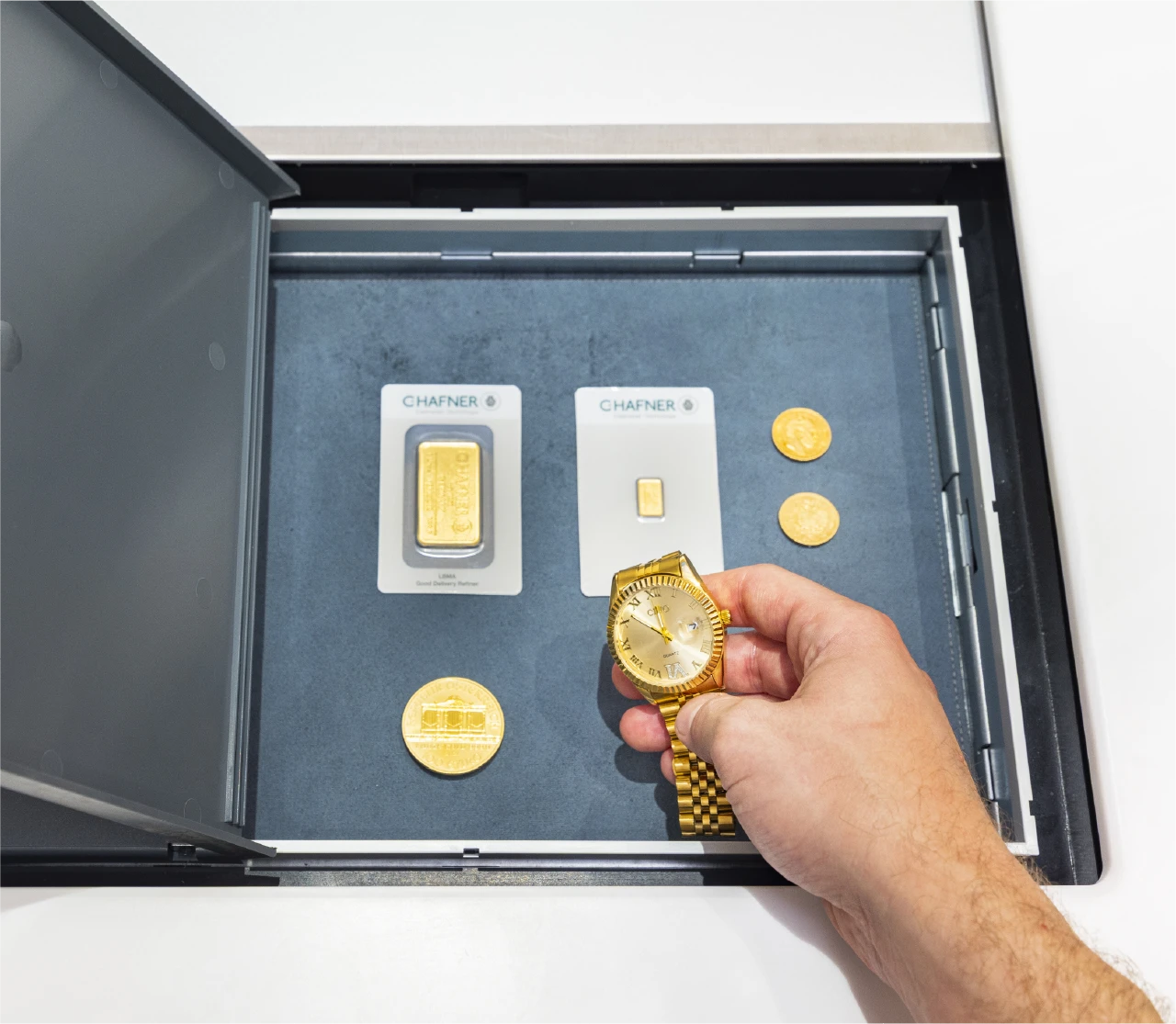
A professional safe deposit box outside the home addresses these risks at a structural level. At Trisor, gold is stored in ECB·S-certified high-security vaults – with 24/7 access, biometric authentication and optional insurance cover of up to €500,000 per box.
The key difference: Trisor is independent of any bank. No bank account, no banking relationship, no third-party access – even in times of financial instability.
Find out more on our Gold Storage page.
6. Getting Started – A Simple Checklist
Getting into physical gold doesn't have to be complicated. A straightforward sequence:
- Define your goal: Protection against uncertainty, long-term wealth preservation, or both?
- Set a budget: How much of your available assets should go into gold – as a single purchase or spread over time?
- Choose a format: Coins for smaller units, bars for larger amounts.
- Compare dealers: Check premiums, certifications and reviews.
- Plan storage from the start: Not as an afterthought – security is part of the investment.
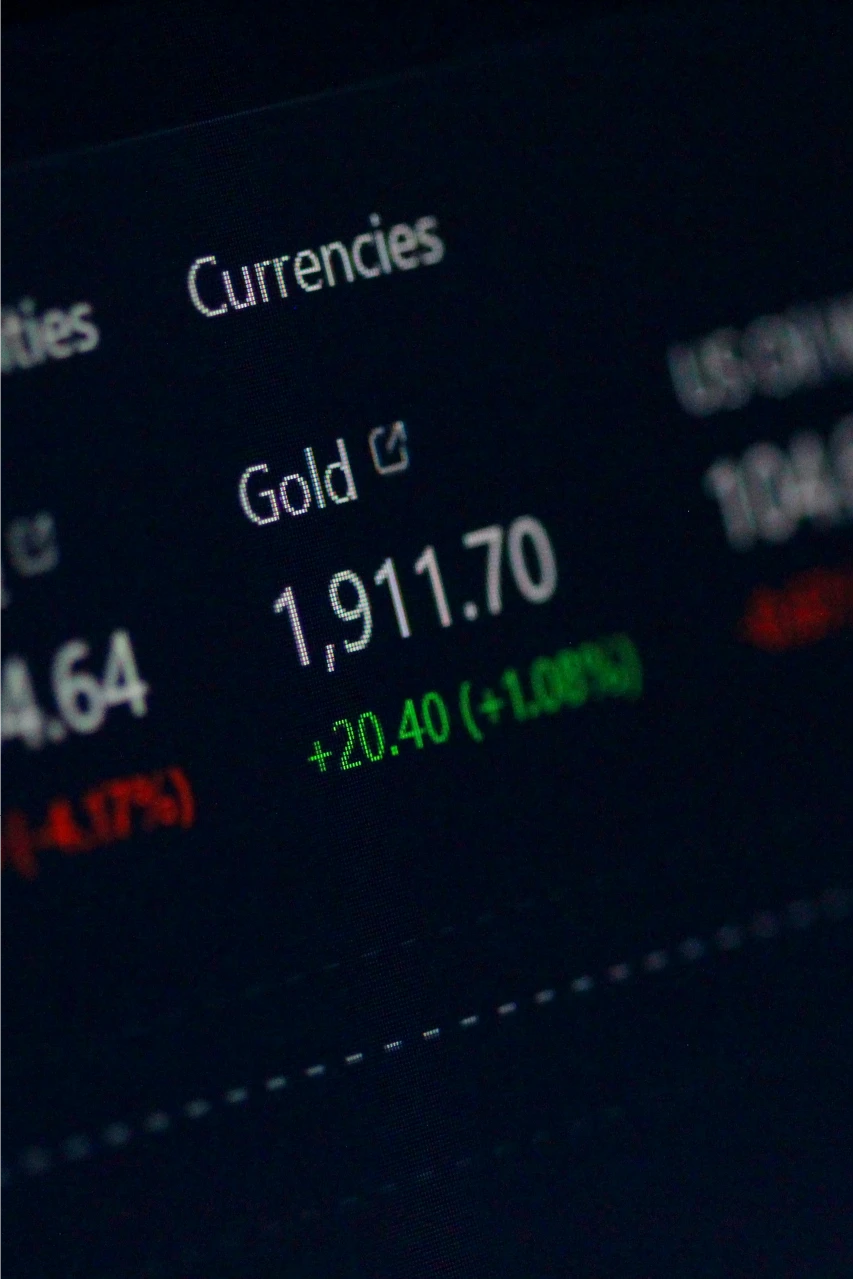
Gold Price Trends Explained: The Structural Drivers at a Glance
Gold price trends explained: how real interest rates, central bank policy, the dollar, geopolitics and supply interact – with current data from the World Gold Council and Bundesbank.
Gold as an Inflation Hedge: What the Data Really Shows


Buying Silver: Why You Pay VAT – But Not on Gold
Gold Price Trends Explained: The Structural Drivers at a Glance
Gold as an Inflation Hedge: What the Data Really Shows