
Gold as an investment in times of crisis
Gold is one of the world's most valuable precious metals and has held a unique appeal for thousands of years. Beyond its use in jewellery and electronics, it is widely regarded as one of the most enduring forms of capital preservation. In times of economic uncertainty – whether driven by geopolitical conflicts, trade disputes, currency weakness or global market turbulence – gold consistently demonstrates its strength as a store of value.
Recent developments make this clear: in 2025, gold experienced a remarkable rally, setting more than 50 new all-time highs and gaining over 60 percent in value by the end of November 2025 – its strongest performance in decades (World Gold Council, 2025). For investors who treat gold as a long-term portfolio component, the past few years have been rewarding.
Gold Price 2024-2026: A Remarkable Rise
The gold price trajectory over the past two years illustrates why the metal is considered a safe haven. In January 2024, the price per troy ounce stood at around $2,063. By the end of 2024, it had climbed to roughly EUR 2,607 per ounce – a yearly gain of approximately 29 percent. In 2025, the momentum accelerated further: in October 2025, gold reached a new all-time high of around $4,380 per troy ounce. In early 2026, it briefly surpassed $5,500 before entering a consolidation phase.
For investors in the eurozone, the euro-denominated price matters most. At an EUR/USD exchange rate of around 1.15 (as of June 2026), gold currently trades at approximately EUR 3,750-3,800 per troy ounce – more than double its 2022 levels. Over the past five years, gold has gained around 130 percent in euro terms, comfortably outperforming most conventional savings products.
Does Gold Protect Against Inflation?
Inflation in Germany has eased significantly from its 2022 peak. According to the Federal Statistical Office (Destatis), the annual average inflation rate in 2025 stood at +2.2 percent, down from +6.9 percent in 2022 and +5.9 percent in 2023. Preliminary estimates for May 2026 put the rate at +2.6 percent. Whether this level holds, however, remains uncertain: geopolitical tensions, trade conflicts and commodity markets can shift price dynamics at any time – as the past few years have demonstrated.
This is precisely where gold's role as a hedge becomes relevant. Unlike paper money, the supply of gold cannot be expanded at will. Over long periods, gold has broadly kept pace with – or outpaced – inflation in most major economies. That said, short-term volatility means gold is not a reliable near-term inflation hedge. Its protective qualities are best realised over investment horizons of at least three to five years.
Why Are Central Banks Buying So Much Gold?
One of the clearest signals of gold's structural importance is the behaviour of central banks worldwide. According to the World Gold Council, central banks purchased a net 1,080 tonnes of gold in 2022, 1,051 tonnes in 2023 and 1,092 tonnes in 2024 – each among the highest figures since the end of the gold standard. In 2025, net purchases dipped to around 863 tonnes, but the market value of those purchases surged to approximately $95 billion due to rising prices. Total central bank gold reserves now stand at around 36,535 tonnes (World Gold Council, March 2026).
The most active buyers have recently included Poland, Kazakhstan, Brazil, China and Turkey – nations seeking to reduce dependence on the US dollar and hedge against geopolitical risk. For private investors, the message is clear: gold remains a systemically important store of value that major institutional actors continue to trust.
Buying Gold: What First-Time Investors Should Know
Those looking to invest in physical gold are best served by reputable bullion dealers such as Reisebank, Pro Aurum or Degussa. A few ground rules apply: in Germany, purchases of EUR 2,000 or more require dealers to verify the buyer's identity under anti-money-laundering regulations. Since the gold price fluctuates daily, it pays to compare offers from several dealers – always factoring in the premium over spot price and any shipping costs.
As a portfolio component, a five-to-ten percent allocation is commonly recommended to help offset volatility in other asset classes. Dollar-cost averaging – buying smaller amounts at regular intervals over time – is a sensible approach to smooth out price fluctuations. There is also a tax advantage worth noting: in Germany, gains from the sale of physical gold held for more than one year are exempt from capital gains tax.
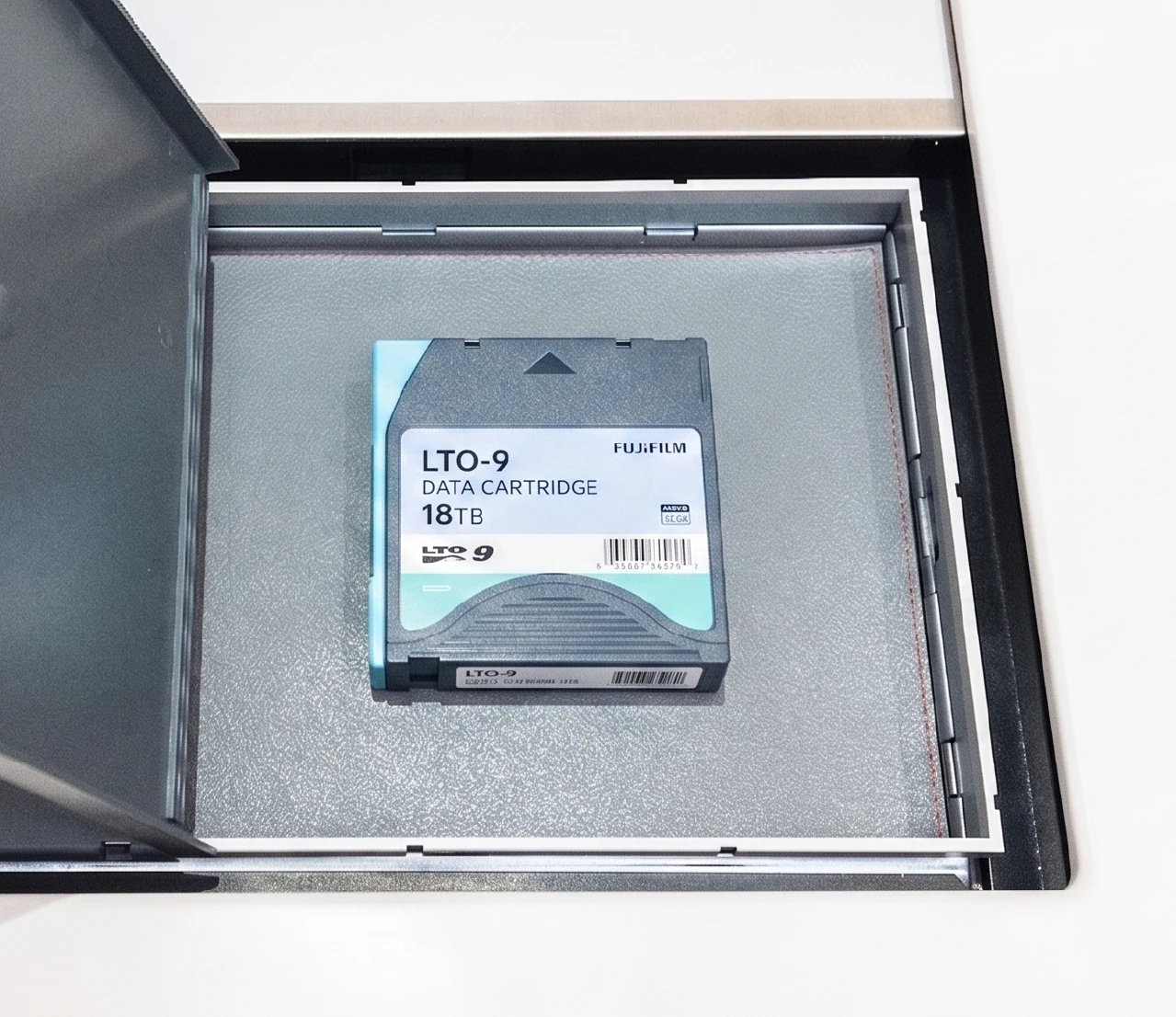
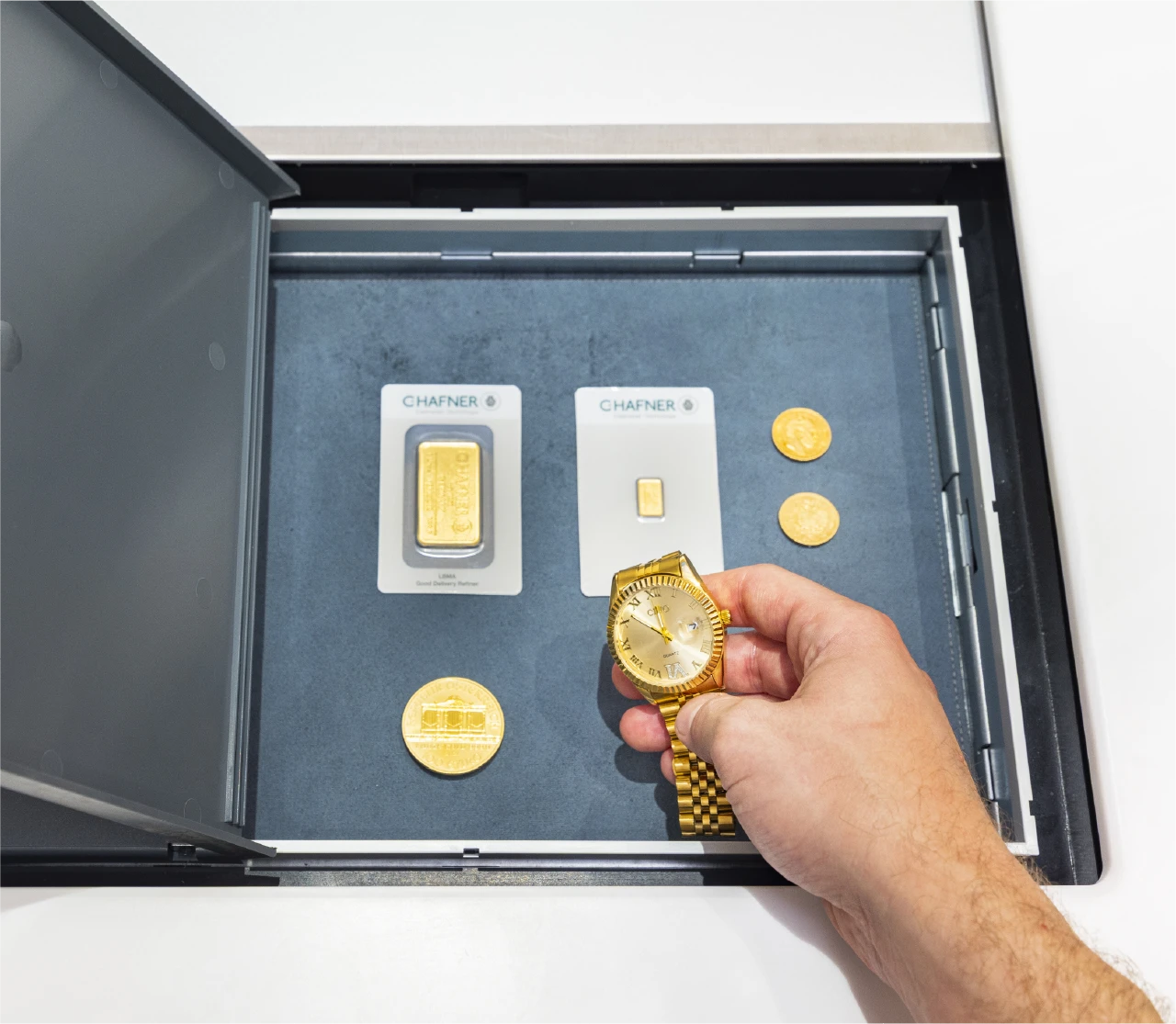
For those looking to store their gold securely beyond the home safe or a bank safe deposit box, Trisor offers a specialised alternative: find out more on our gold storage page.
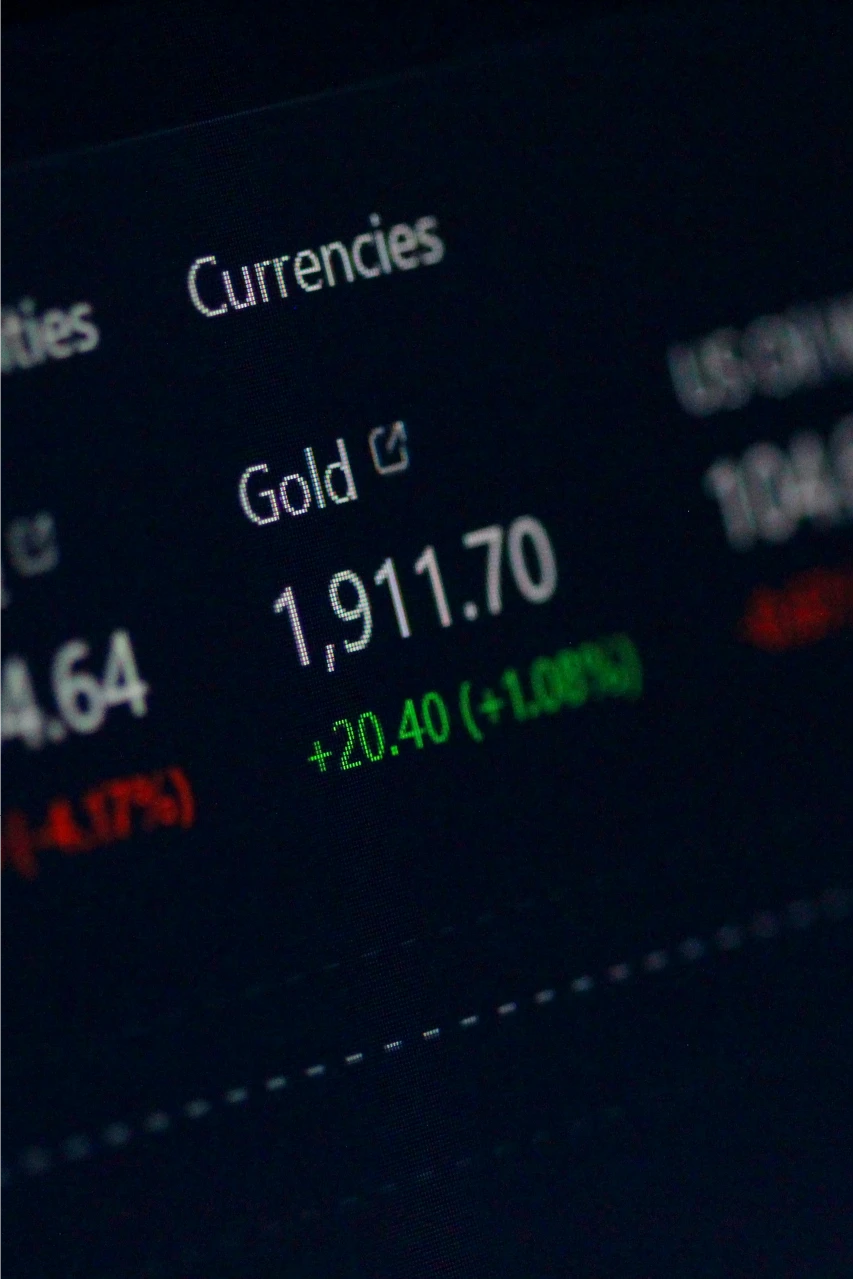
Gold Price Trends Explained: The Structural Drivers at a Glance
Gold price trends explained: how real interest rates, central bank policy, the dollar, geopolitics and supply interact – with current data from the World Gold Council and Bundesbank.
Gold as an Inflation Hedge: What the Data Really Shows

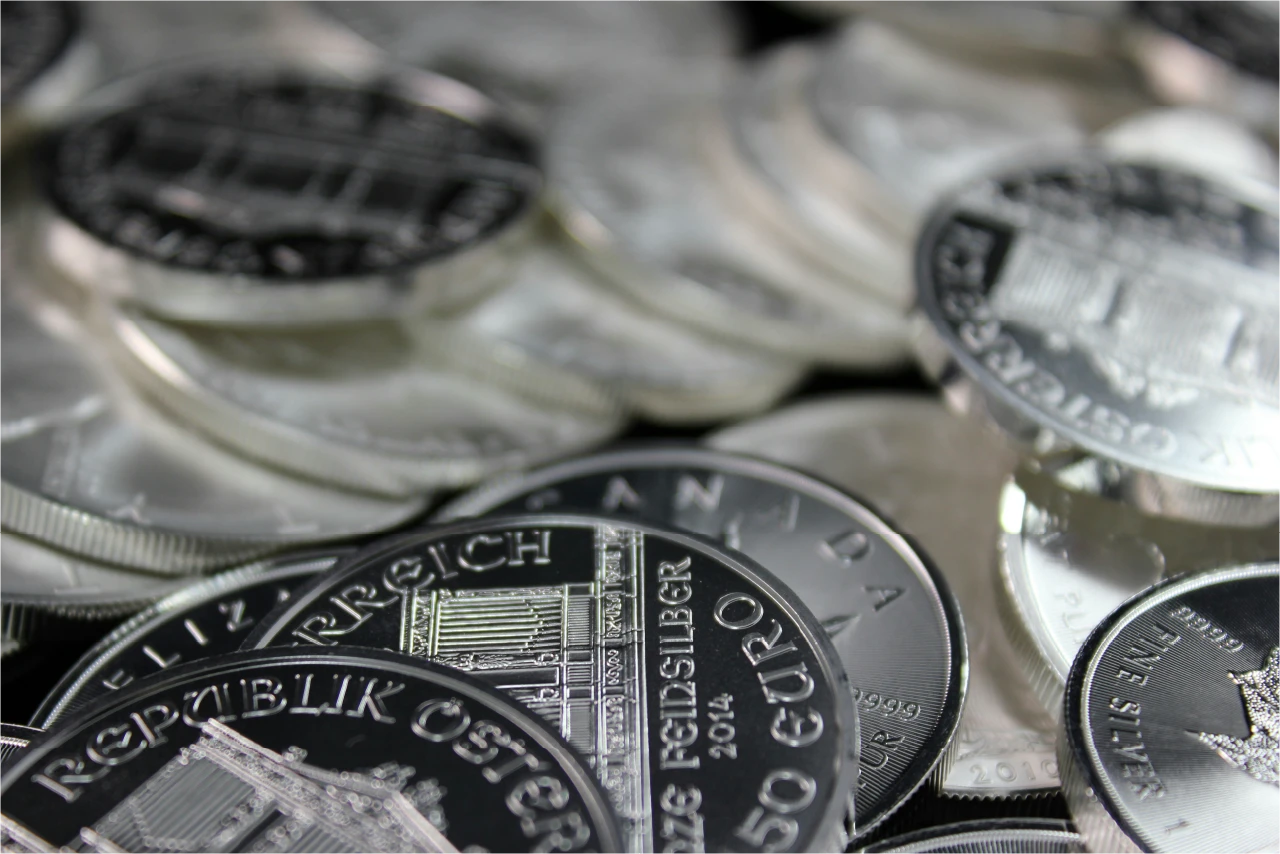
Buying Silver: Why You Pay VAT – But Not on Gold
Gold Price Trends Explained: The Structural Drivers at a Glance
Gold as an Inflation Hedge: What the Data Really Shows