Have you made arrangements for who can access your safe deposit box in case of an emergency?
A sudden death or serious illness is already a significant burden. If, on top of that, it’s unclear where important documents are stored or who has access to them, it can cause your loved ones even more stress and uncertainty. Taking care of this in advance creates clarity – and it’s easier than many people think.
Why is planning ahead so important?
Many people assume their loved ones will automatically have access to essential documents and valuables in an emergency. However, without official access permissions, it may take weeks or even months before a safe deposit box can be legally opened. During this time, important paperwork needed for inheritance matters, insurance claims, or digital estate management may be unavailable.
How does access work with Trisor?
Trisor allows you to assign trusted individuals as authorized users of your safe deposit box. These people can access the box in emergencies – for instance, to retrieve wills, powers of attorney, or other vital documents. Every access is fully documented in a digital logbook, and access rights can be updated or revoked at any time.
This way, you stay in control – and your family remains capable of acting in a crisis.
Which documents should be stored in a safe deposit box?
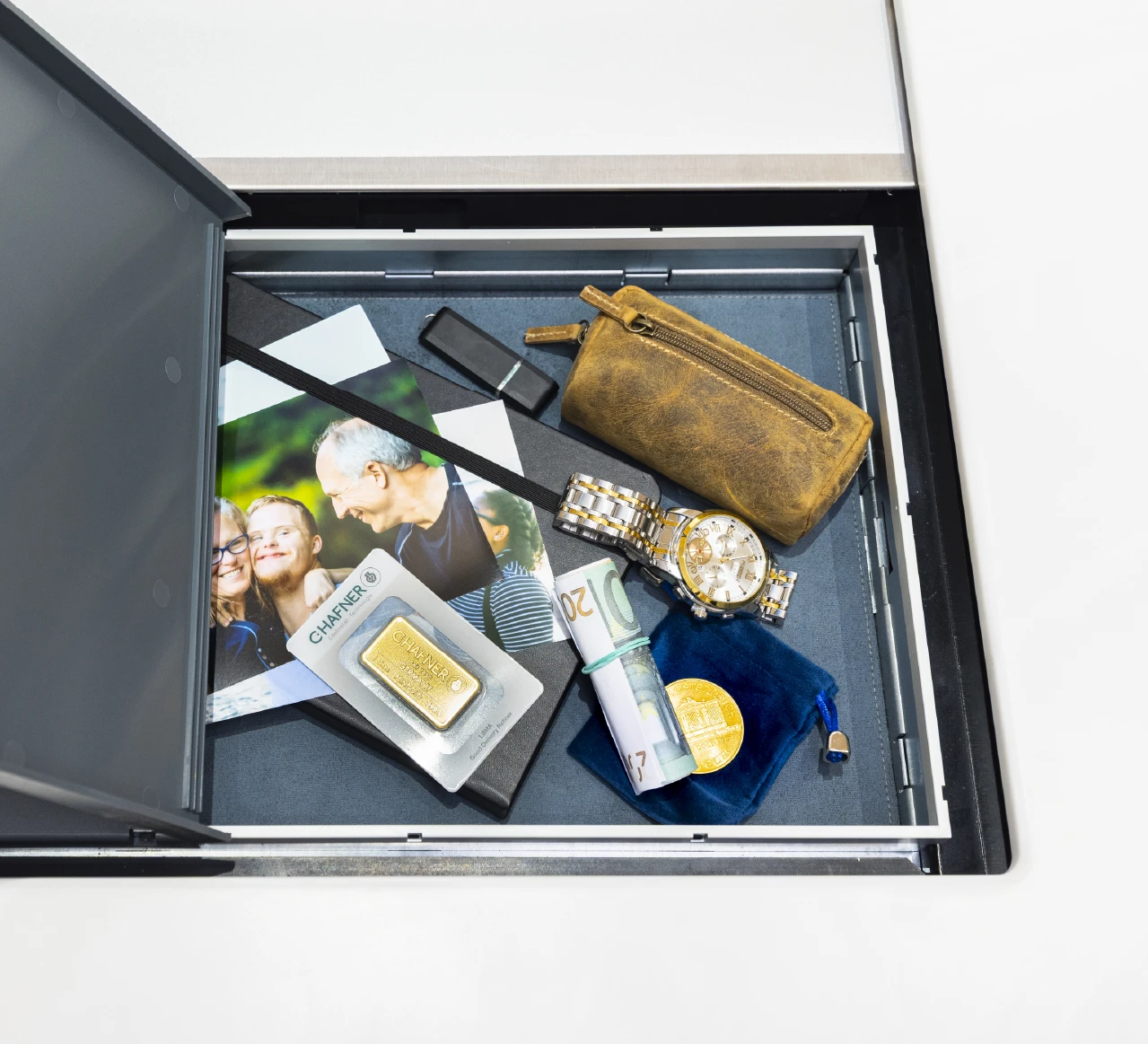
A safe deposit box offers a secure and protected space for sensitive or hard-to-replace documents. The following should be stored there:
Will or Inheritance Contract
A will should never be kept unsecured at home. There’s a risk it may not be found, might be overlooked, or even withheld after your death. Trisor offers a safe and flexible alternative to storing it with a notary or probate court. Trusted individuals can access it directly in an emergency – provided they are registered as co-users.
Tip:
If you prefer maximum confidentiality regarding the existence or content of your will, storing it with the probate court may be advisable. Only you can inquire about it while alive. After your death, legitimate heirs can request access with a certificate of inheritance.
However, to avoid lengthy procedures and uncertainty, it's wise to assign access rights via Trisor during your lifetime.
Power of Attorney & Advance Healthcare Directive
These documents are crucial in case you suddenly become unable to act on your own. They cover medical decisions, legal representation, and organizational matters – and should be easily accessible at all times.
Financial Documents & Insurance Policies
Whether it’s account information, credit documents, or policies – in the event of death or emergency, relatives need quick access to financial data to remain able to act.
Digital Access Information
Much of life today is digital. Access credentials for email accounts, online banking, cloud services, or social media should be securely documented. A list kept in the safe deposit box ensures that vital digital information is not lost.
What else is part of good preparation?
It’s not just the documents themselves that matter, but also how you communicate about them. Talk to your trusted persons, explain their role in an emergency, and inform them about where important papers are stored. Only those who know what to do can act accordingly in a crisis.
Conclusion: Planning ahead eases the burden
lanning ahead doesn’t mean dwelling on the worst-case scenario – it’s about taking responsibility. By arranging access to your safe deposit box early, you protect your loved ones from uncertainty, delays, and unnecessary effort.
Next step
Would you like to assign additional users for your safe deposit box or receive advice on secure document storage?
Book a free consultation now and discuss in a personal session how to set up access rights securely and individually.