
Safe deposit box providers compared – what really determines your security
Not all safe deposit box solutions offer the same level of protection. Here you can see exactly how banks, private providers, and Trisor differ — and why this matters when it really counts.
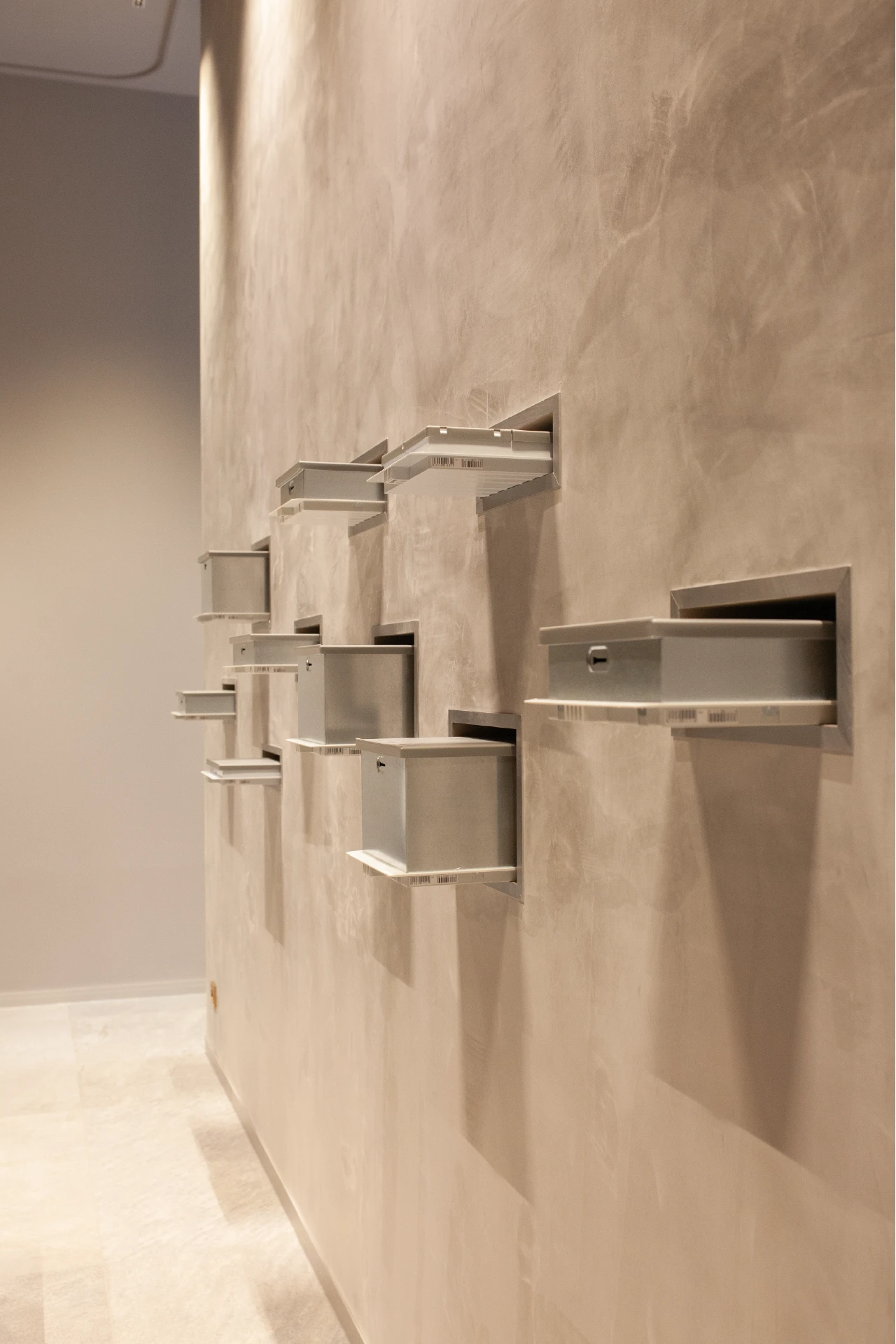
Automated vs. traditional vaults – why the construction makes the difference
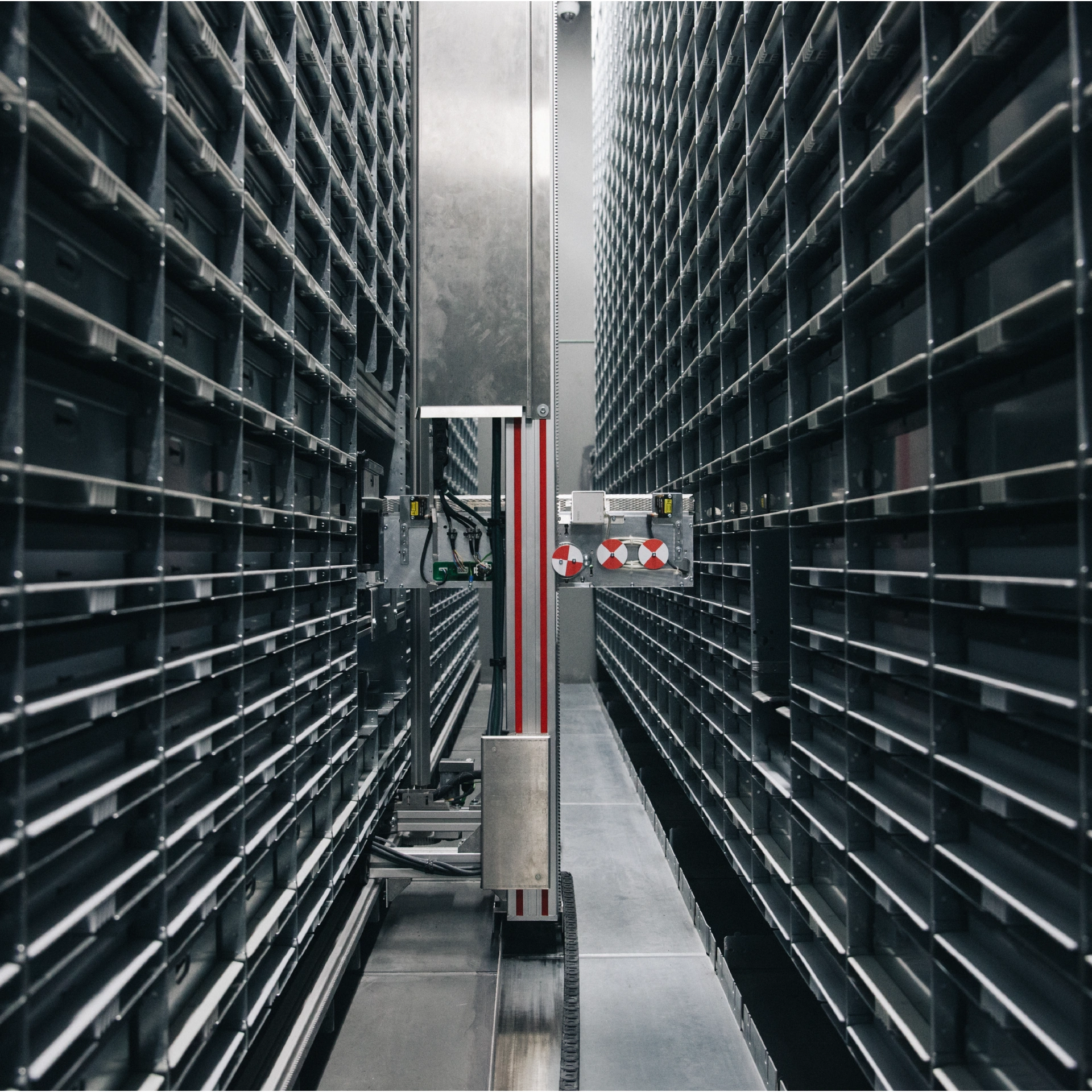
Automated safe deposit systems
Automated vault systems combine maximum security with maximum flexibility. After verification, a robot delivers the safe deposit box directly into a private customer cabin, meaning that neither staff nor other customers enter the vault room.
Thanks to this autonomous process, the vault remains permanently closed, which represents a significant security advantage considering the series of break-ins in recent years. In addition, this system provides discreet 24/7 access, 365 days a year — completely independent of staff availability.
Known providers with automated vault systems:
- Trisor, Asservato, selected banks
Here too, concepts differ – from pure self-service models to combinations with on-site personal service.
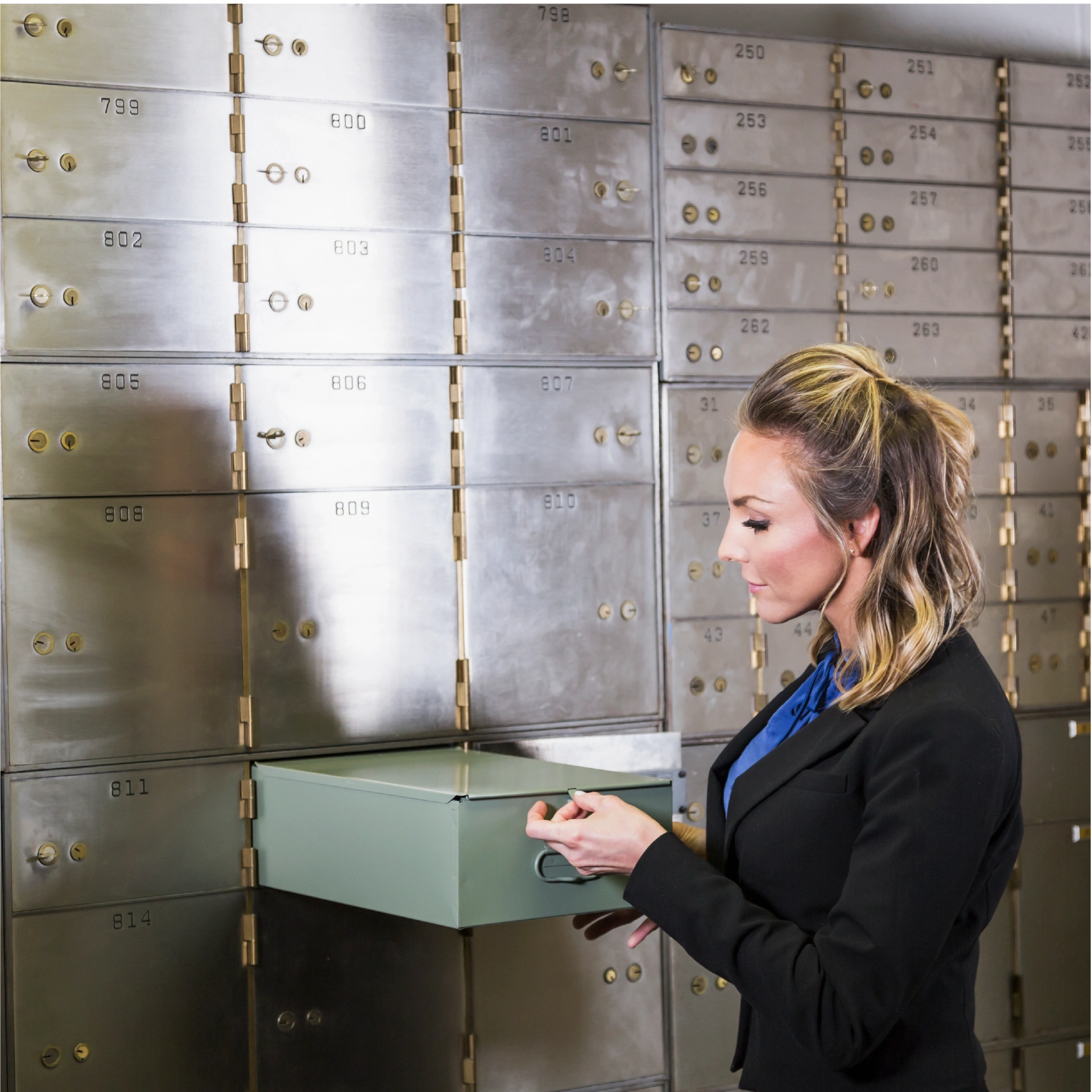
Traditional safe deposit systems
Vault systems in banks usually provide direct access to the vault room. Staff open the vault door — and at some providers it even remains open throughout business hours. Without separate on-site security personnel, unauthorized individuals may exploit this open access to enter unnoticed or hide inside the room for later break-ins.
This means the most important barrier — the locked vault room — has already been bypassed. The safe deposit boxes themselves are often only lightly secured and offer little resistance against targeted break-in attempts.
Known providers with traditional vault systems:
- Most banks, CitySafes, selected private providers
Private providers like CitySafes operate classical vault rooms – often in former bank branches.
What this means in concrete terms: With conventional facilities, the most important barrier – the locked vault room – has already been overcome during opening hours. The series of break-ins at German bank branches in recent years shows that solid structural materials alone are not enough. At Trisor, the vault stays permanently locked – even during operation. The difference is not the absence of people, but their role: no employee has access to the vault. Our staff is there exclusively for you – Monday to Saturday, 9 am to 6 pm, without an appointment. In the event of a technical fault, all locations are equipped with an emergency power generator – operations continue and all boxes remain securely stored.
More than 15,000 customers trust Trisor
in the App Store
on Google
at TrustedShops
The most important differences at a glance
Choosing the right safe deposit box provider is a matter of trust. It is important to us that you know the differences so you can find the solution that suits you. At Trisor, we have rethought security from the ground up. In this comparison, we openly address the most important criteria and, alongside banks, also look at other providers and home safes. Click on a criterion to learn more.
Criterion
Banks
CitySafes and Similar Providers
TRISOR
Traditional vault room, with the security level depending on the branch and year of construction, usually only VdS-SG3
Alarm/video technology often VdS-certified, safe resistance grade rarely communicated
ECB•S-certified high-security facility: resistance grade 10 (KB), 24/7 security personnel, seismic detectors in accordance with VdS-SG6
Only during branch opening hours, often by appointment and accompanied
Bound by opening hours, often with staff, not accessible everywhere
24/7, 365 days a year, without an appointment, barrier-free access at every location
Access inside the vault room, sometimes in the presence of staff
Often separate private room without cameras, but with staff accompaniment and visit documentation
Private individual booth, without staff or customer contact
Often no or only limited basic insurance, to be arranged separately
€2,000–€3,000 inclusive, expansion often only possible up to around €150,000
€5,000 included, flexibly expandable up to €500,000
Usually requires an account with the bank, fixed package prices
Price according to compartment size, plus costs for deposit and administration fees
Size and rate selectable separately, change your rate at any time, cash payment possible
Often a 12-month minimum term, rigid conditions
Often annual contracts with automatic renewal
Minimum term from 1 month (flex option), flexible cancellation periods
Banks
Traditional vault room, with the security level depending on the branch and year of construction, usually only VdS-SG3
CitySafes and Similar Providers
Alarm/video technology often VdS-certified, safe resistance grade rarely communicated
TRISOR
ECB•S-certified high-security facility: resistance grade 10 (KB), 24/7 security personnel, seismic detectors in accordance with VdS-SG6
Banks
Only during branch opening hours, often by appointment and accompanied
CitySafes and Similar Providers
Bound by opening hours, often with staff, not accessible everywhere
TRISOR
24/7, 365 days a year, without an appointment, barrier-free access at every location
Banks
Access inside the vault room, sometimes in the presence of staff
CitySafes and Similar Providers
Often separate private room without cameras, but with staff accompaniment and visit documentation
TRISOR
Private individual booth, without staff or customer contact
Banks
Often no or only limited basic insurance, to be arranged separately
CitySafes and Similar Providers
€2,000–€3,000 inclusive, expansion often only possible up to around €150,000
TRISOR
€5,000 included, flexibly expandable up to €500,000
Banks
Usually requires an account with the bank, fixed package prices
CitySafes and Similar Providers
Price according to compartment size, plus costs for deposit and administration fees
TRISOR
Size and rate selectable separately, change your rate at any time, cash payment possible
Banks
Often a 12-month minimum term, rigid conditions
CitySafes and Similar Providers
Often annual contracts with automatic renewal
TRISOR
Minimum term from 1 month (flex option), flexible cancellation periods
Private providers differ significantly in their concepts, access systems, and security standards. Upon request, Trisor is happy to discuss the comparison with you individually. Below, we take a closer look at the differences between common safe deposit systems.
Certified architecture
A safe's resistance is measured in standardized grades that specify how long a construction must withstand a break-in attempt. The higher the grade, the stronger the protection. But not every provider makes these standards transparent. With many providers – whether bank or private – customers do not learn which resistance grade their safe facility has or whether it complies with current standards. So ask specifically about the standard, resistance grade and certificate – reputable providers make this information transparent. Trisor documents all security standards openly and comprehensibly.
Conventional safes
primarily rely on the physical strength of the vault room and organizational access controls. However, the actual resistance grade often varies depending on the branch and year of construction, and older systems do not always comply with current standards. Certifications and the overall security concept are often not transparent to customers.
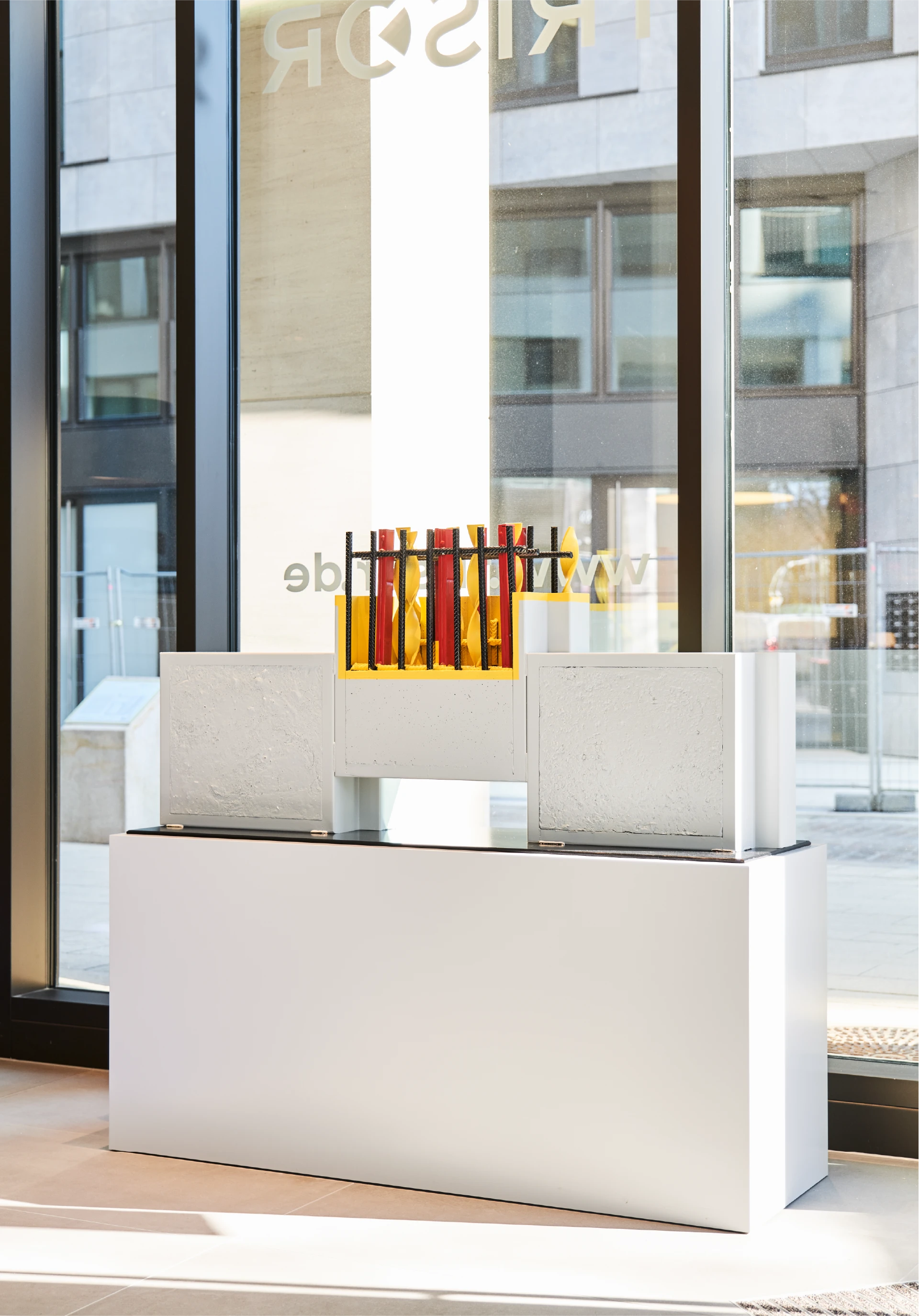
Trisor
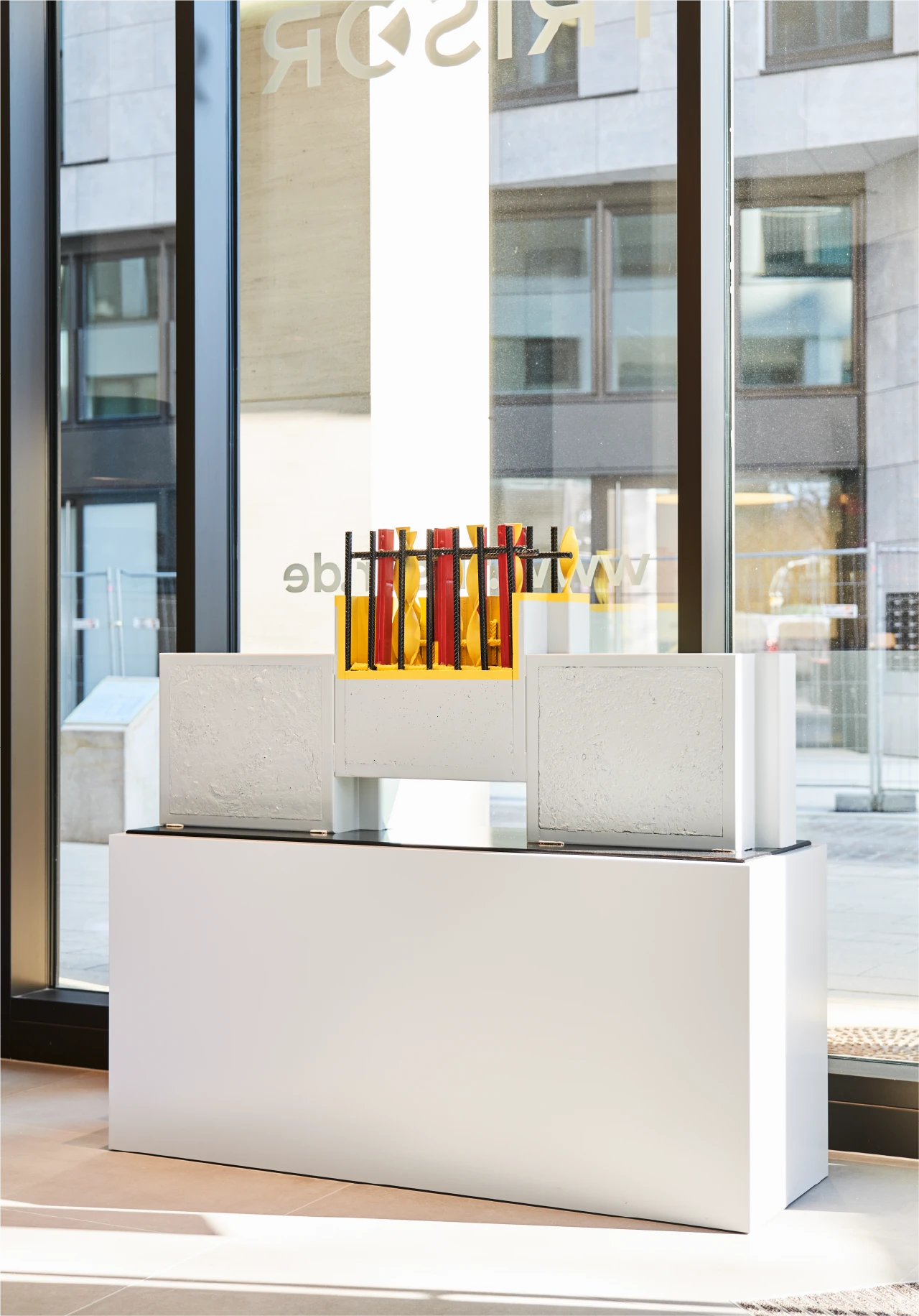
goes one step further: All vaults meet resistance grade X with core drilling protection (KB) in accordance with EN 1143-1 and are ECB•S-certified. The construction is based on 15 cm reinforced concrete walls and is complemented by seismic detectors in accordance with VdS security grade SG6, which detect any vibration affecting the walls, ceiling and floor in real time (banks usually meet only SG3). This high level of structural security is complemented by modern security technology – including automated vault systems, multi-factor authentication and continuous monitoring.
Certified architecture
A safe's resistance is measured in standardized grades that specify how long a construction must withstand a break-in attempt. The higher the grade, the stronger the protection. But not every provider makes these standards transparent. With many providers – whether bank or private – customers do not learn which resistance grade their safe facility has or whether it complies with current standards. So ask specifically about the standard, resistance grade and certificate – reputable providers make this information transparent. Trisor documents all security standards openly and comprehensibly.
Conventional safes
primarily rely on the physical strength of the vault room and organizational access controls. However, the actual resistance grade often varies depending on the branch and year of construction, and older systems do not always comply with current standards. Certifications and the overall security concept are often not transparent to customers.
Trisor
goes one step further: All vaults meet resistance grade X with core drilling protection (KB) in accordance with EN 1143-1 and are ECB•S-certified. The construction is based on 15 cm reinforced concrete walls and is complemented by seismic detectors in accordance with VdS security grade SG6, which detect any vibration affecting the walls, ceiling and floor in real time (banks usually meet only SG3). This high level of structural security is complemented by modern security technology – including automated vault systems, multi-factor authentication and continuous monitoring.
In recent years, there have been break-ins at bank branches in various German cities. These cases show that massive physical construction alone is not enough. That is why Trisor relies on a holistic security concept that combines high-security architecture, cutting-edge technology, and secure operational processes.
In recent years, there have been break-ins at bank branches in various German cities. These cases show that massive physical construction alone is not enough. That is why Trisor relies on a holistic security concept that combines high-security architecture, cutting-edge technology, and secure operational processes.
Fire Safety for Safe Deposit Boxes
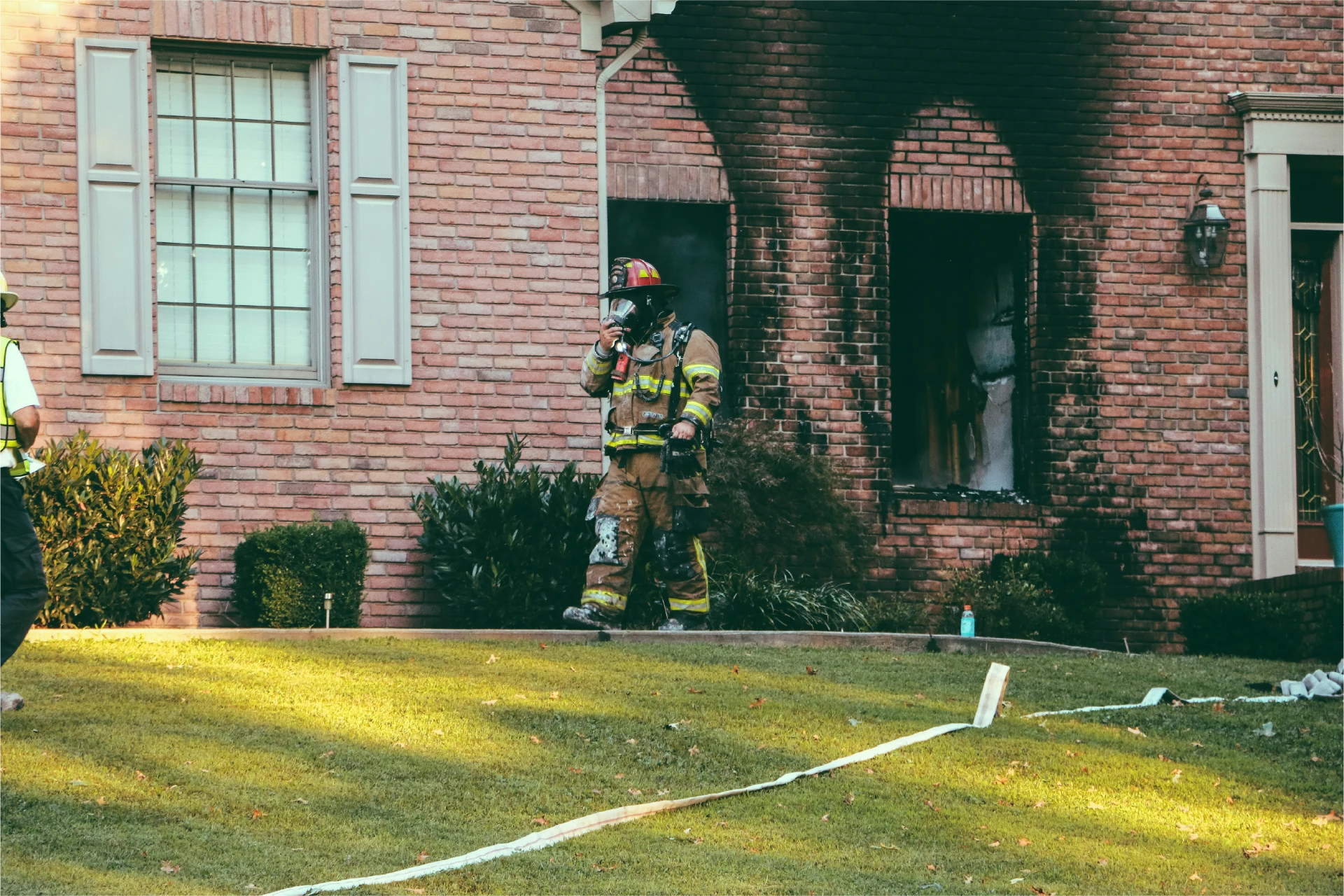
When choosing a safe deposit provider, not only burglary protection should be checked. The fire protection concept of the system is also crucial: What technology is used to detect and combat fires at an early stage?
While many providers rely primarily on structural fire protection of the building and vault room, Trisor supplements this with active extinguishing technology. We equip each of our locations with modern aerosol extinguishing systems in the vault. Originally developed for space travel, this technology fights fires in their early stages, creating an additional layer of protection. Unlike water, the extinguishing agent is neither electrically conductive nor corrosive – an important advantage when protecting sensitive valuables and the technical infrastructure of our automated systems.

Alexander D. / 13.01.2026
I had a safe deposit box at my bank for a long time, but reports of break-ins made me increasingly uneasy. I started looking for a more secure alternative and came across Trisor. The security concept convinced me.
The reviews were submitted at our invitation by customers who have rented a safe deposit box with us. This ensures that all published reviews are authentic and come from real customers.I had a safe deposit box at my bank for a long time, but reports of break-ins made me increasingly uneasy. I started looking for a more secure alternative and came across Trisor. The security concept convinced me.
Alexander D. / 13.01.2026
On-site security personnel
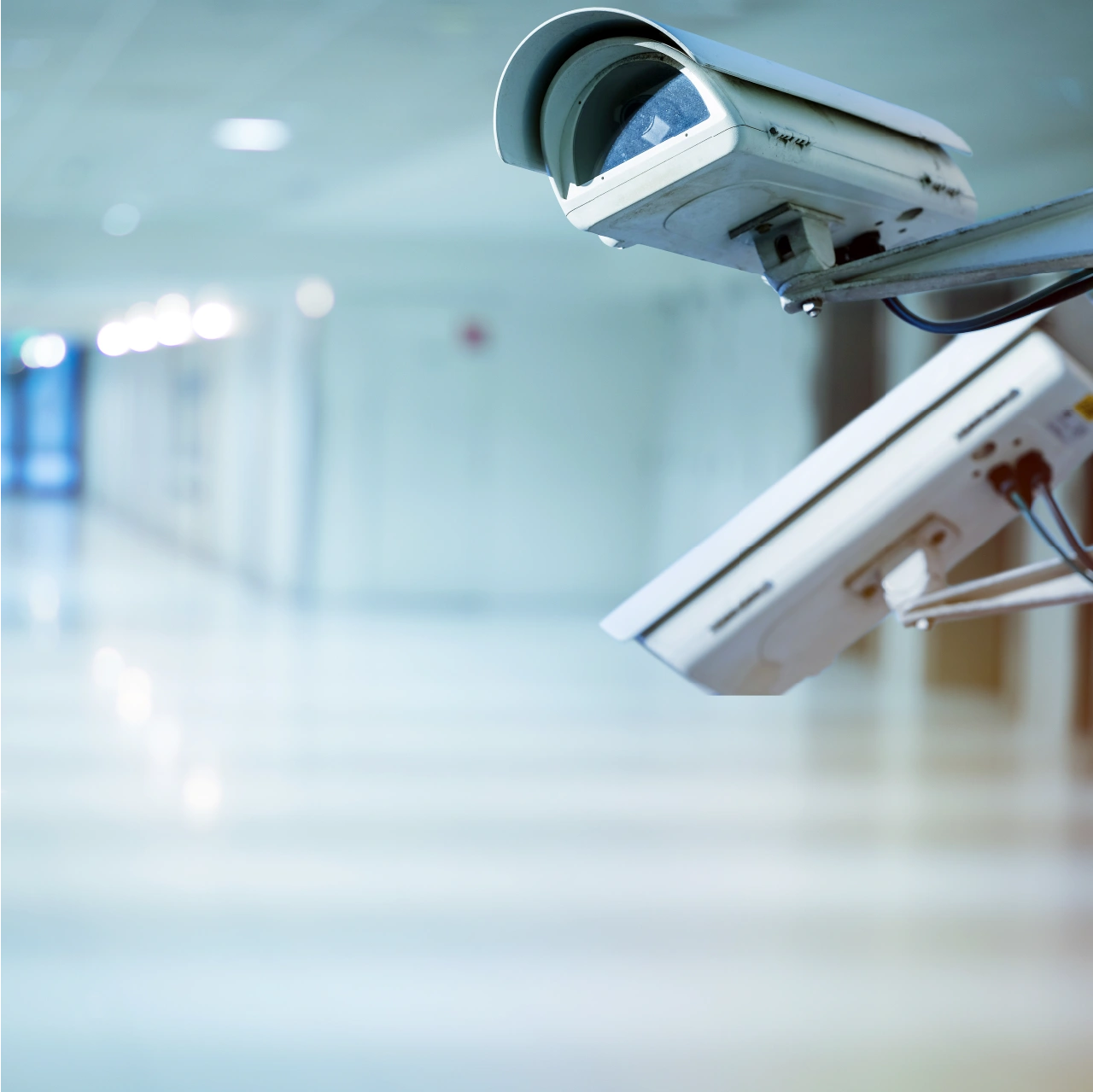
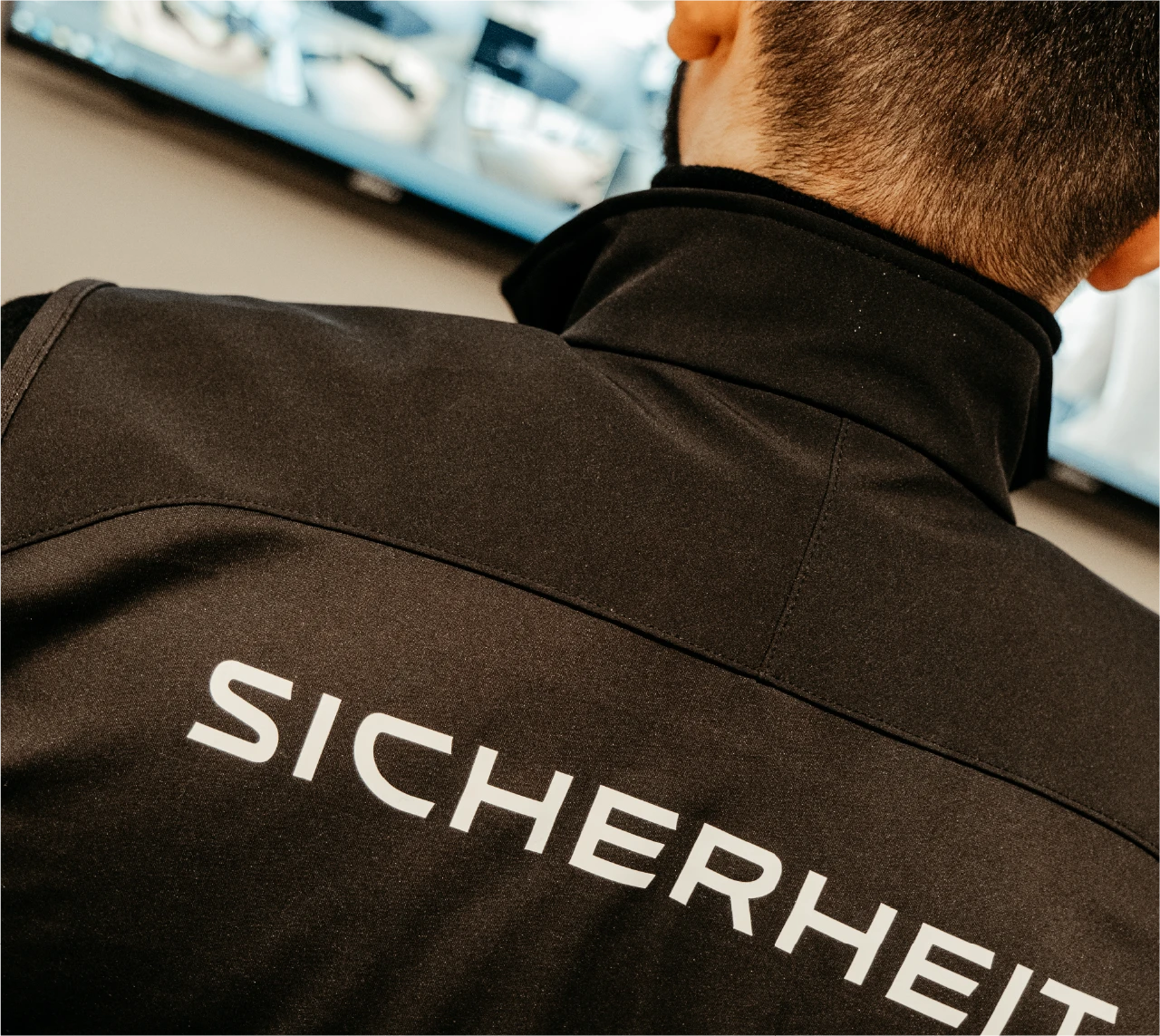
A reliable security service is a key component in protecting safe deposit box facilities. It is essential that only certified security personnel are deployed, as past break-ins have often been facilitated by insufficiently trained or infiltrated staff. A control center that monitors and coordinates operations around the clock, combined with on-site security, ensures maximum safety and rapid response at Trisor.
Traditional facilities
Video surveillance
Access to safe deposit box usually takes place inside the vault room
Usually no on-site security
Alarm buttons in the customer area are not standard
Access accompanied by staff
Security level depends on the organization and the diligence of individuals
Trisor
Video surveillance throughout the entire location
No access to the vault
24/7 on-site security
Alarm buttons in all cabins
Exclusive access to the private cabin
Non-customers have no access without an appointment
Decision guide: Access to your safe deposit box — around the clock
With classic bank safe deposit boxes, access is usually tied to bank branch opening hours and often requires staff accompaniment – frequently even requiring an appointment. With many private providers, access is also tied to branch opening hours – round-the-clock access is the exception, not the standard. Access to your valuables is not always in your own hands.
Opening hours at banks
Usually only on weekdays and closed on public holidays
Limited service hours and often by appointment only
Opening hours at Trisor
365 days a year, including weekends and public holidays
24/7 access, independent of service hours
Decision guide: Access to your safe deposit box — around the clock
With classic bank safe deposit boxes, access is usually tied to bank branch opening hours and often requires staff accompaniment – frequently even requiring an appointment. With many private providers, access is also tied to branch opening hours – round-the-clock access is the exception, not the standard. Access to your valuables is not always in your own hands.
Opening hours at banks
Usually only on weekdays and closed on public holidays
Limited service hours and often by appointment only
Opening hours at Trisor
365 days a year, including weekends and public holidays
24/7 access, independent of service hours
How is access controlled?
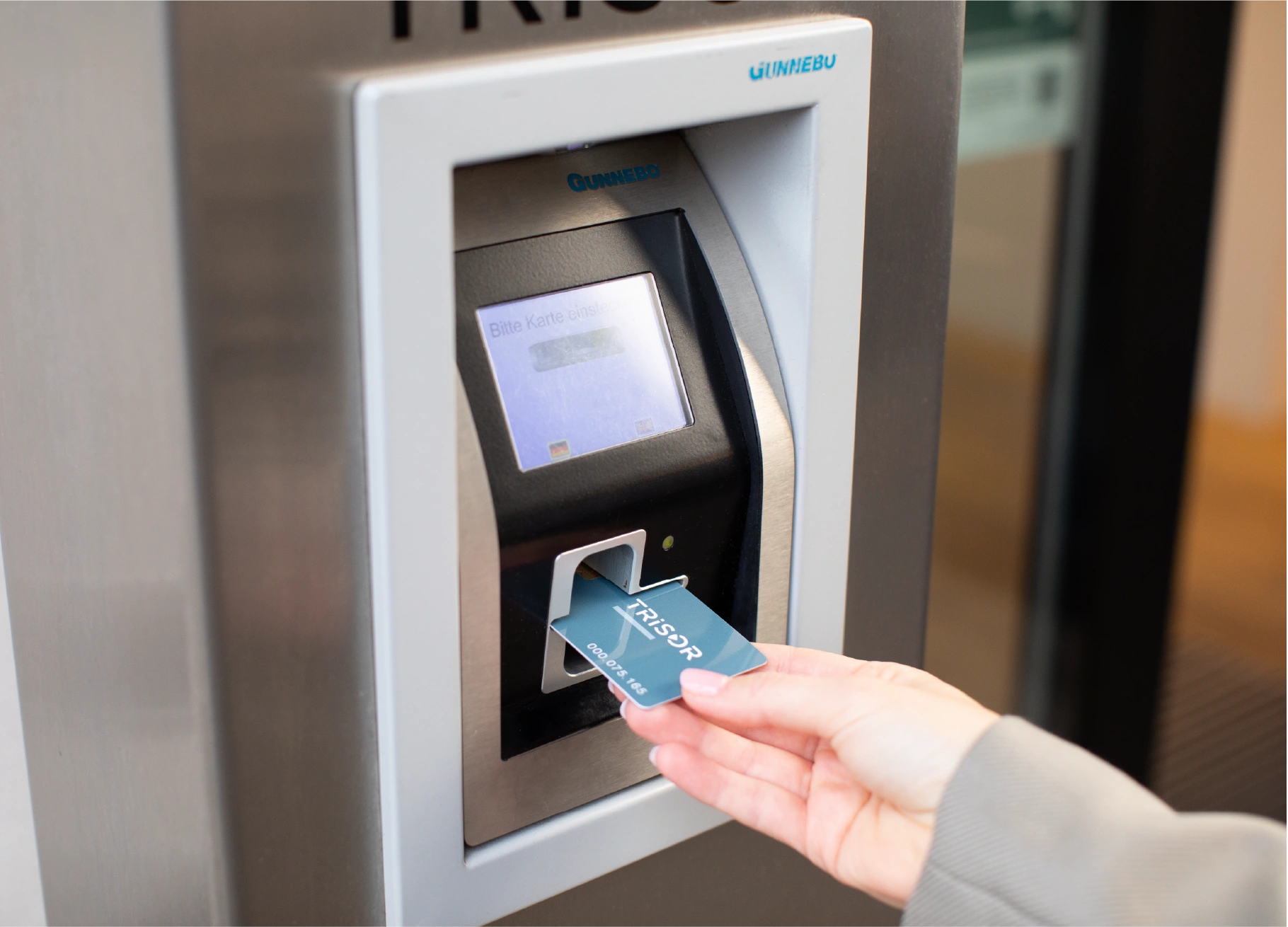
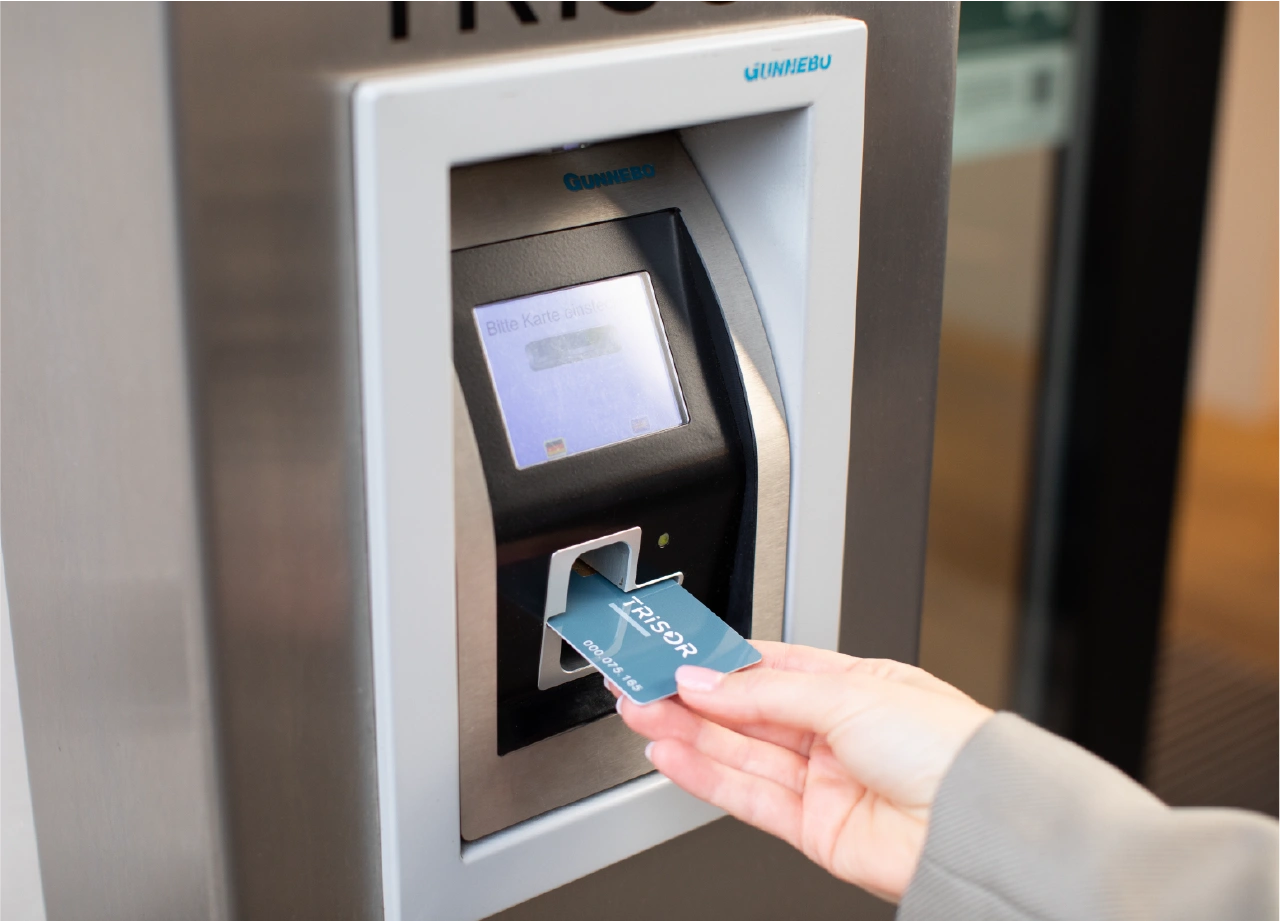
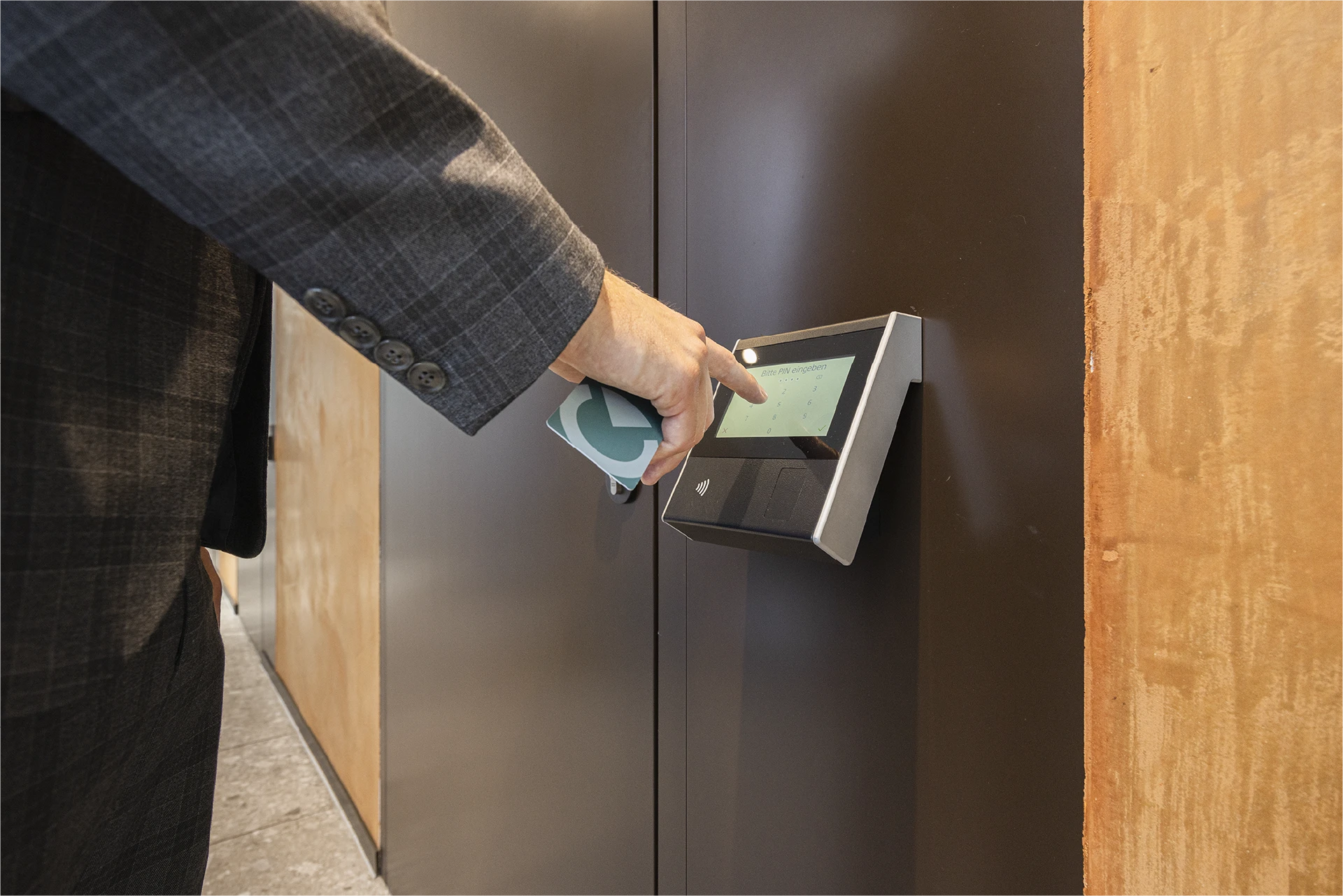
Different security methods are used to ensure highly secure access to a safe deposit box. While traditional bank safe deposit boxes usually rely on keys and ID checks, modern systems like Trisor use multi-level authentication.
At Trisor, access to your safe deposit box is secured through 3-factor authentication:
Card

(Possession)
PIN

(Knowledge)
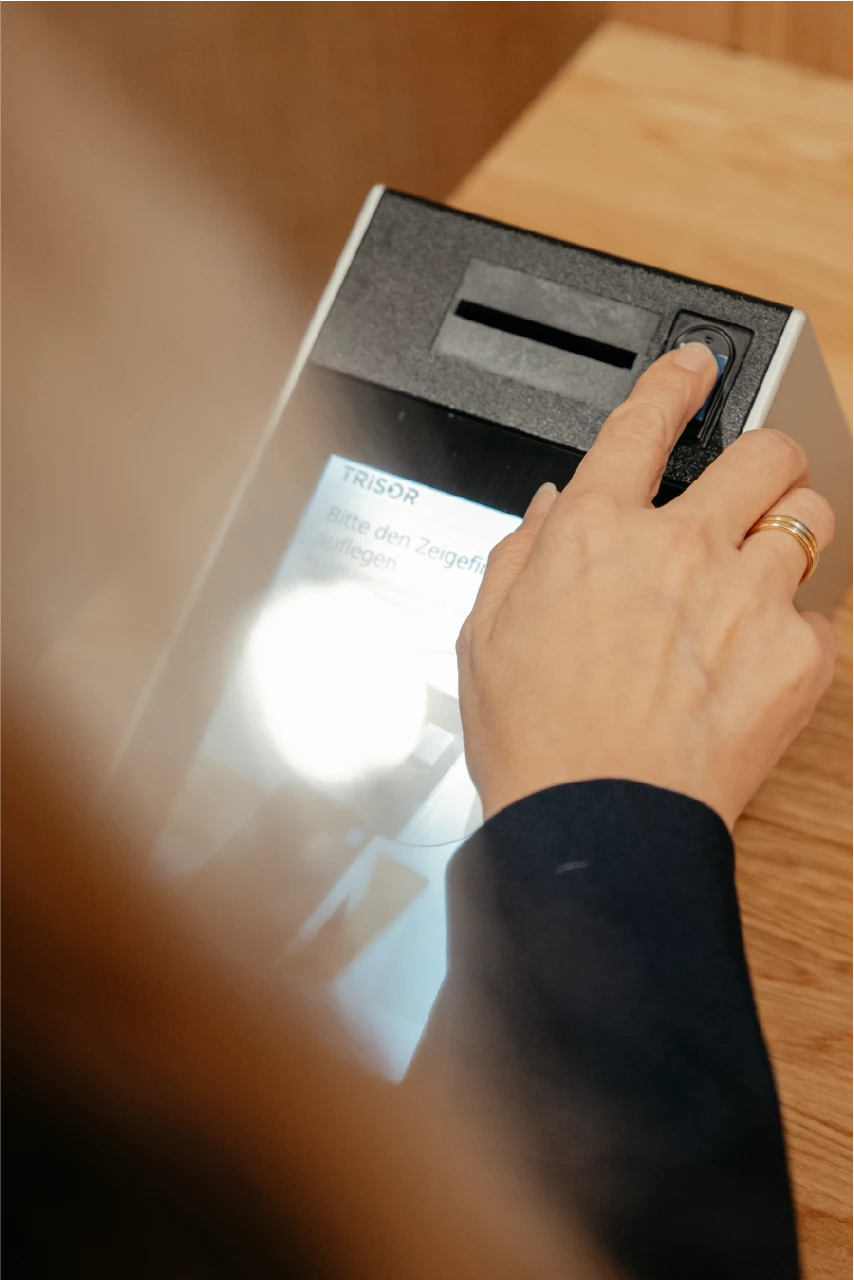
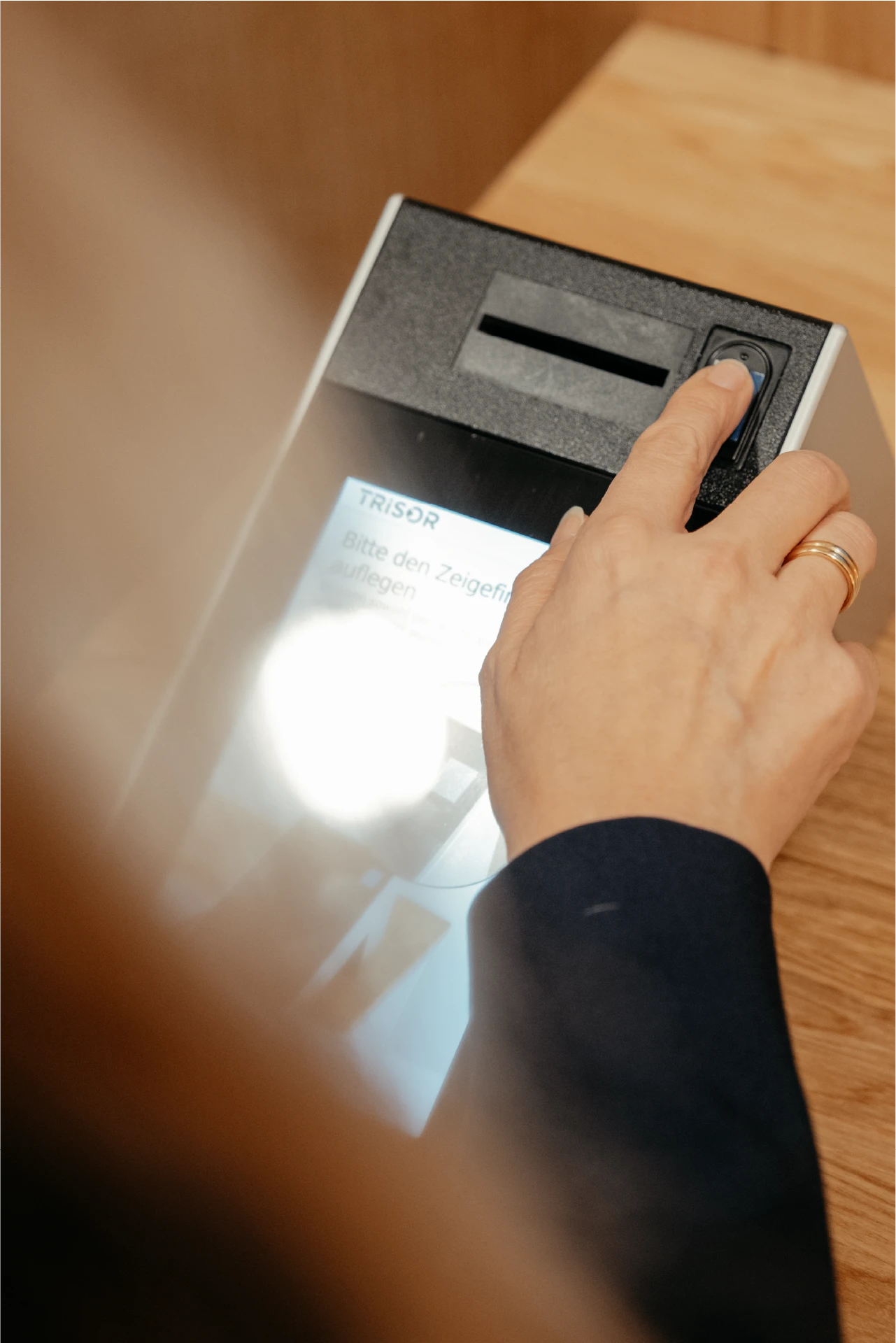
Biometrics

(Finger/ hand scan)
The key difference:
A biometric feature cannot be transferred, copied, or shared. With 3-factor authentication, a single security breach is not enough to gain full access.
In addition, Trisor customers also receive a key to their individual safe deposit box. Where, by contrast, access is decided solely by a key and ID check – whether at banks or private providers – security depends on a single item or on the diligence of individual staff members.
Available immediately – or only after waiting?
Ideally, a safe deposit box should be available immediately and ready to use without unnecessary steps. In practice, however, availability differs significantly depending on the provider, location structure, and capacity.
Conventional safe deposit boxes
Usually tied to a specific branch
Availability is often limited
Often waiting times of several months
Trend toward reduced safe deposit box offerings
Trisor
10 locations in major German cities
Available boxes at all locations
Ready to use immediately after activation
Additional locations already planned
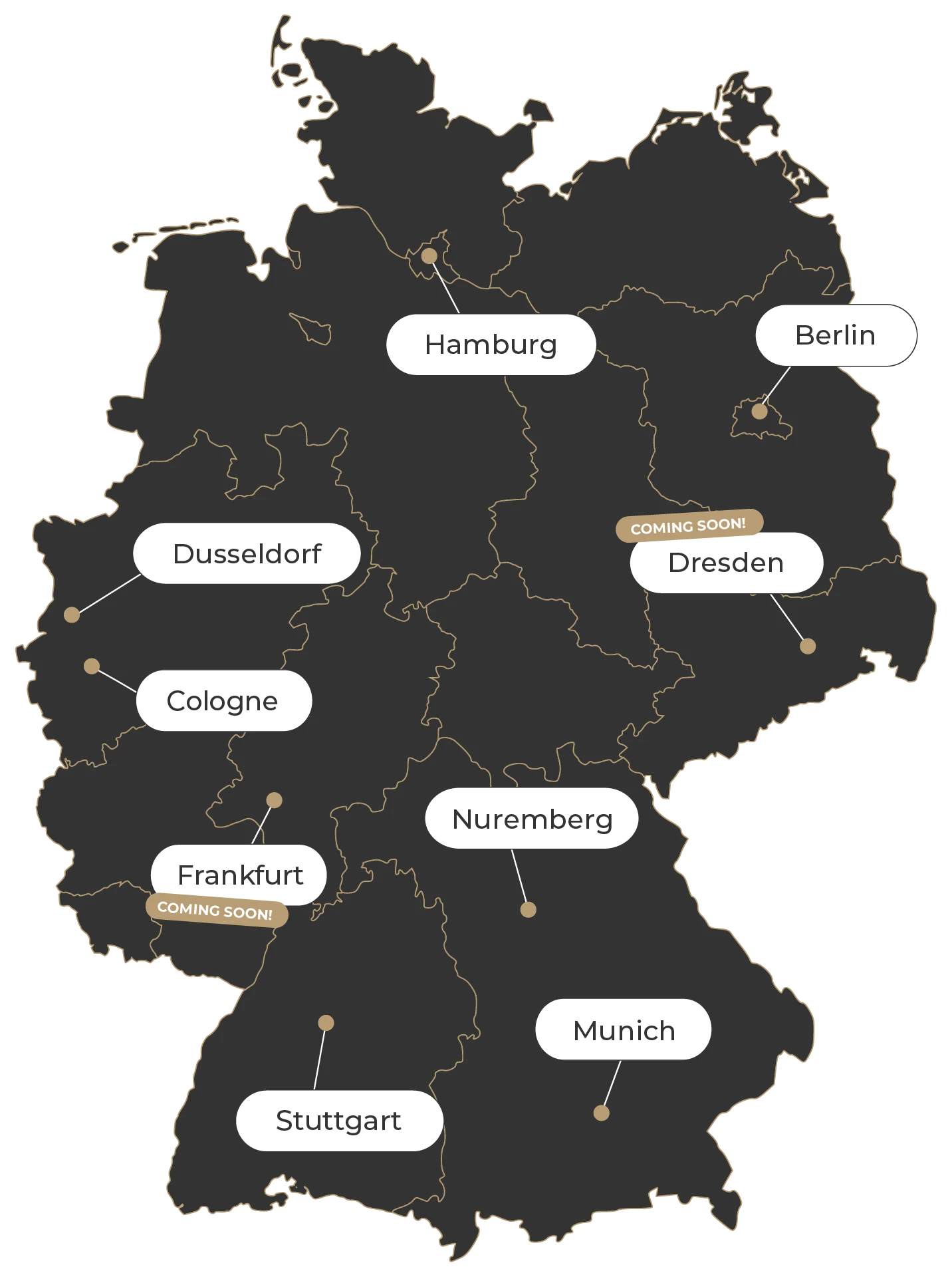
Besides availability, the concepts also differ structurally and in their usage context: bank safe deposit boxes are usually tied to the branch operations of individual locations, are in many places no longer being expanded, and often require a bank account. Trisor, by contrast, follows a bank-independent concept with a growing network of locations, specialized infrastructure and discreet access. With ten locations, Trisor operates the largest network of automated high-value safe deposit facilities in Germany – whether you are moving or commuting between cities, the nearest location is always quickly within reach.
Discretion – from the cabin to the billing process
Banks are legally required to report the rental of a safe deposit box to the tax authorities.
Private providers are not subject to this event-independent reporting obligation. Reporting only takes place in legally defined cases, such as the death of the renter. This difference applies to all non-bank providers.
Important: Both models are subject to legal anti-money laundering regulations.
At Trisor, cash payment of the safe deposit box fees is possible – a key advantage for customers who value maximum privacy. Trisor is one of the few providers to offer this flexible payment option.
At banks and other private providers, billing is usually handled via an account and is therefore traceable.
All providers are subject to legal identification requirements (KYC). Customers must verify their identity before renting a safe deposit box.
This standard applies equally to banks and private providers — there is no difference in this regard.
Banks often communicate by letter — for example for contracts or invoices. These documents may be viewed or intercepted by third parties.
Trisor relies exclusively on electronic communication — secure, minimal, and without a physical paper trail.
Communication practices also vary among other providers, though they are often a mix of digital and postal delivery.
Insurance Comparison: What's Really Covered?
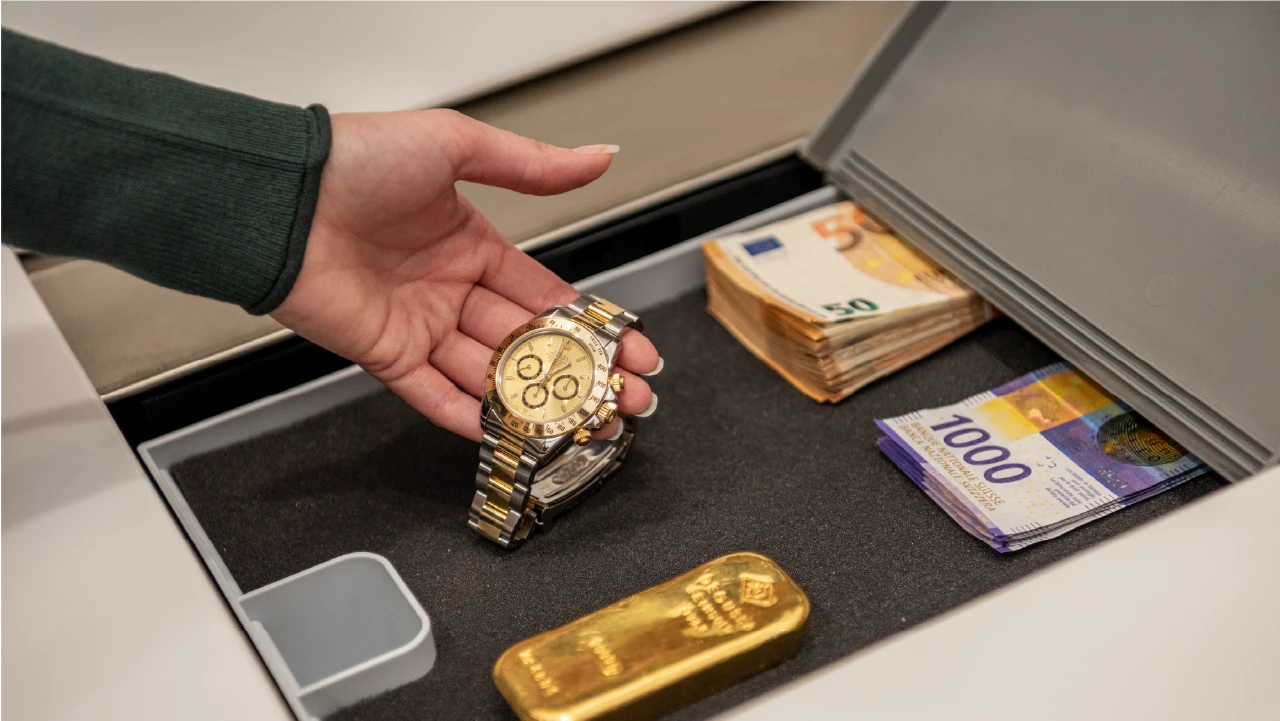
Many banks do not offer standard insurance for safe deposit boxes. If you want to insure your valuables, you usually need to arrange a separate policy — often with limited coverage and complex claims requirements.
With Trisor, insurance is included from the very beginning.
Find the right coverage — adjust the insured amount flexibly and see your monthly fee instantly.
5.000 €
500.000 €
15.000 €
Monthly insurance fee
1,49 €
Monthly insurance fee
Flexible tariffs instead of fixed package pricing
The costs of safe deposit boxes differ not only in price, but above all in the structure behind them. Many providers work with fixed package pricing that varies depending on location and box size and can only be adjusted to a limited extent. Additional costs or services are not always immediately transparent.
Trisor, on the other hand, relies on a flexible pricing model starting at €14.95 per month. Tariffs can be adjusted at any time, and billing is available monthly or annually.
All costs are clearly defined and visible from the start. Additional services are transparently listed, and basic insurance is already included in the tariff and can be flexibly expanded. Trisor is also independent of banks and designed for both private and business customers.
Our Deposit Box Sizes and Prices
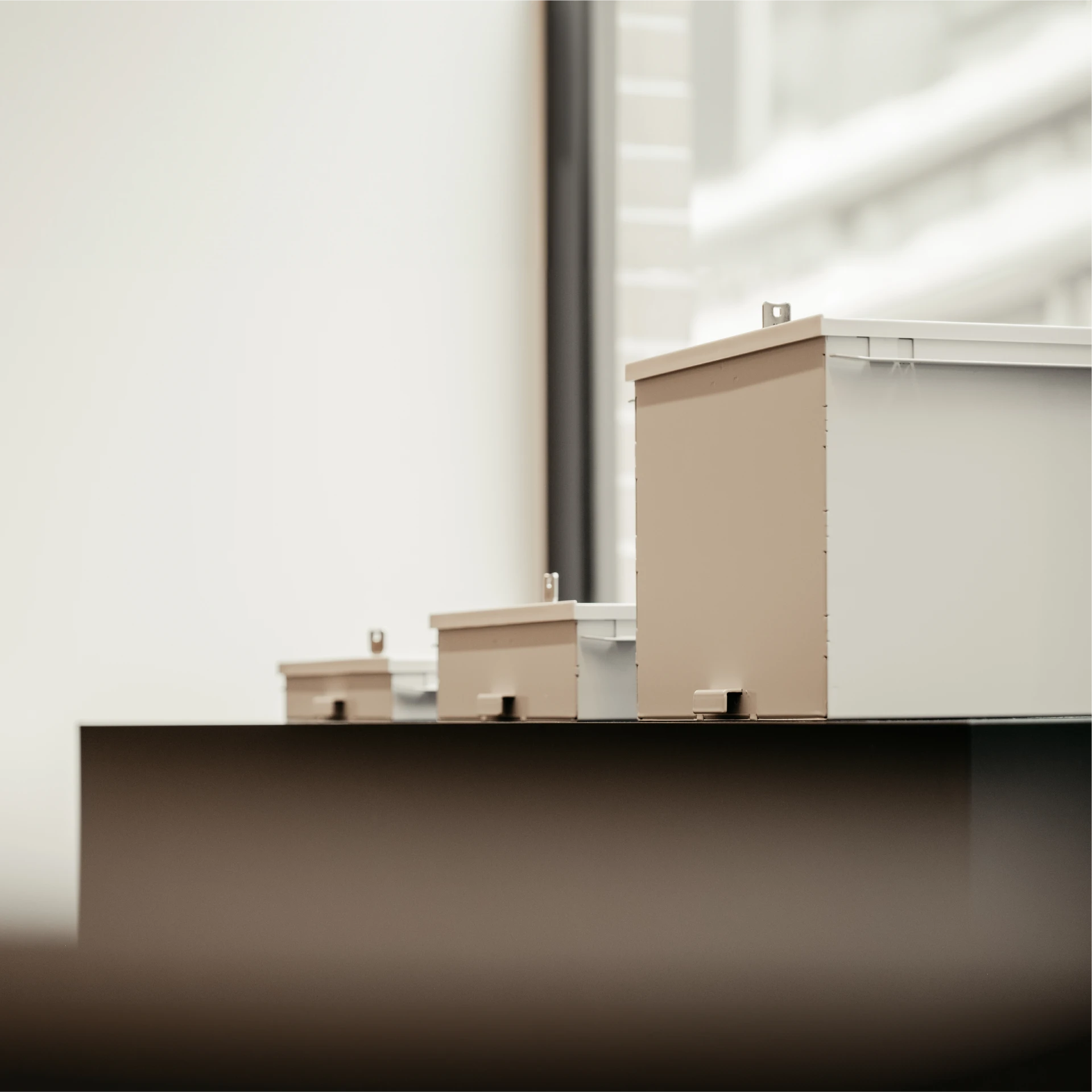
Whether it's a collector's sneaker or jewelry - at Trisor you'll get the right locker for your needs. If you like you can try out the different sizes onsite with your valueables, before deciding which size you need.
from €14.95/ month
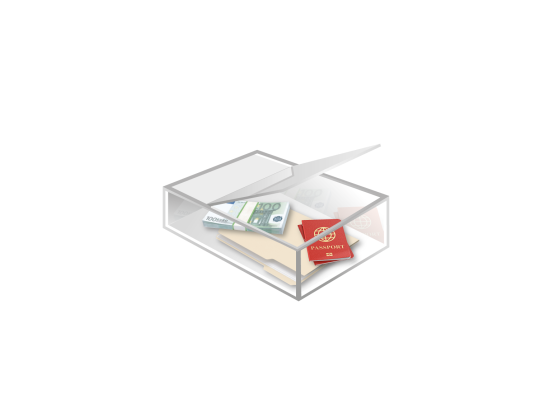
Measurements (cm)
approx. L: 36.5 × W: 23.5 × H: 4.9
Volume
approx. 4 l
Max.
3 kg
from €29.95/ month
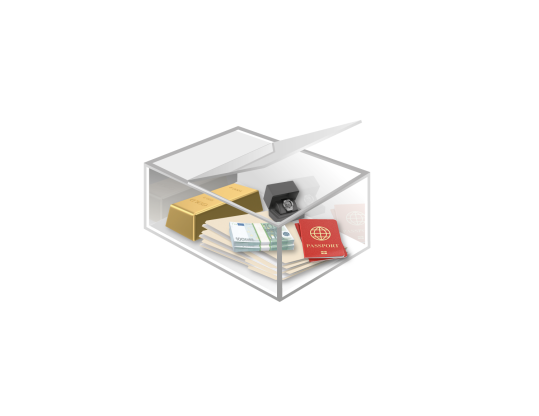
Measurements (cm)
approx. L: 36.5 × W: 23.5 × H: 8.4
Volume
approx. 7 l
Max.
10 kg
from €54.95/ month
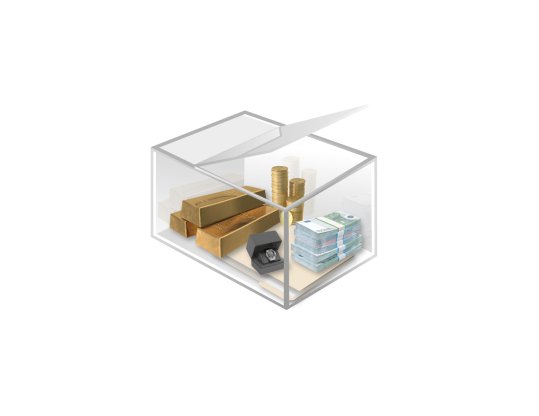
Measurements (cm)
approx. L: 36.5 × W: 23.5 × H: 18.6
Volume
approx. 16 l
Max.
20 kg
Don't just compare prices – compare quality and concept. Trisor stands for a well-thought-out, unique offering – including insurance, without deposit, without hidden costs. Look carefully: Is everything really included, or do costs come later?

Pay flexibly without being tied to a bank account
At Trisor, safe deposit box rental can be paid flexibly — monthly or annually, by bank transfer, direct debit, or in cash on site.
At banks, billing is usually processed through a current account at the respective institution.
If you close your current account with a bank, you may also lose the safe deposit box because the rental is linked to that account.
This dependency does not exist at Trisor. The safe deposit box remains active, regardless of which bank you hold your account with.

How much flexibility do contract terms offer?
Short contract terms starting from 6 months — no long-term commitment
Flex option without a minimum contract term
Tariff changes and adjustments possible at any time
Flexible box size changes — without a new contract
Monthly or annual payment
Dedicated tariff models for business customers
For business customers, Trisor offers dedicated tariff models such as Business Standard and Business Premium. Multiple authorized persons can jointly access a safe deposit box, and features such as transfers between boxes simplify daily use. The offering is continuously being developed and adapted to the needs of businesses.
Here's what our customers say
I can highly recommend the TRISOR safe deposit facility in Berlin! This modern facility not only offers the best possible protection for your valuables, but is also staffed by professional and helpful employees.
Luxus4you

The reviews were submitted upon our invitation by customers who have rented a safe deposit box with us. This ensures that all published reviews are authentic and come from real customers.
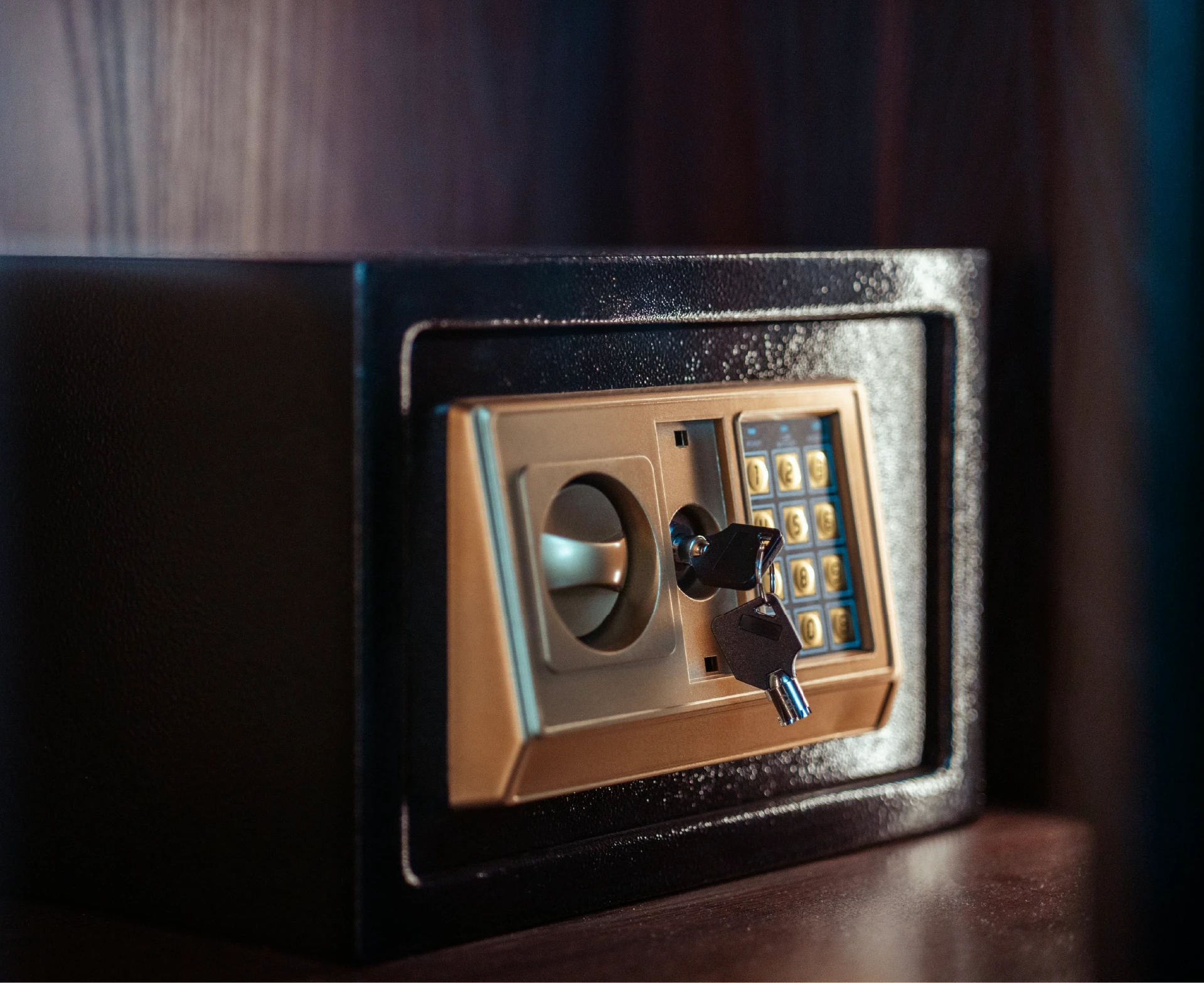
Why a home safe is often not enough
Household insurance often only covers valuables up to certain limits (e.g. €20,000–30,000). Higher values require additional insurance, which in turn requires certified safes and specific security standards.
Keeping valuables at home creates a personal risk for residents. In the event of a burglary or direct threat, perpetrators may attempt to force access to the safe. In such situations, the safe itself may become not only a target, but also a potential risk for household members.
Depending on the model, home safes provide varying levels of fire protection. Professional systems are generally designed to withstand significantly higher levels of exposure.
A home safe is visible to anyone with access to the apartment or house — including guests, craftsmen, or service providers. As a result, it may become a clearly identifiable target in the event of a burglary.
The German Police Crime Prevention (Polizeiliche Kriminalprävention) recommends not permanently keeping particularly valuable or rarely used items within your own four walls, but instead storing them securely off-site – for example in a safe deposit box. Through our advisory board member Ralf Martin Meyer, former Chief of Police of Hamburg, this perspective flows directly into our security concept.
A home safe can make sense for frequently used items. For higher-value assets, long-term storage, and comprehensive protection, a professional external solution is generally the safer choice.
Customer Service That Puts You First
Storing your valuables securely requires more than just a robust vault – service makes all the difference. In fact, there have been cases where unreliable staff were involved in break-ins. Choose a trusted provider where both security and service are priorities. The following points will help you find the best service and ensure your valuables are well-protected.

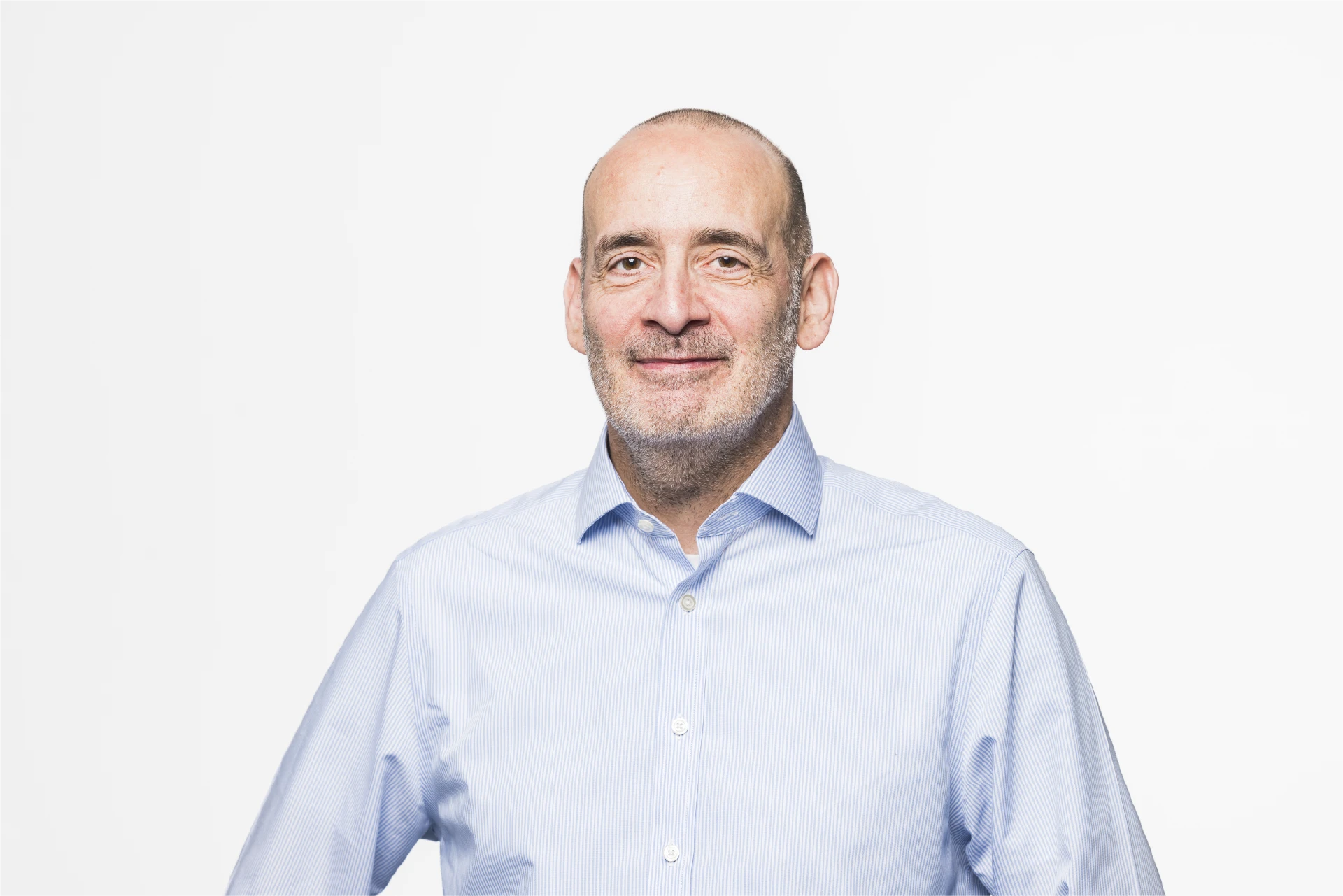
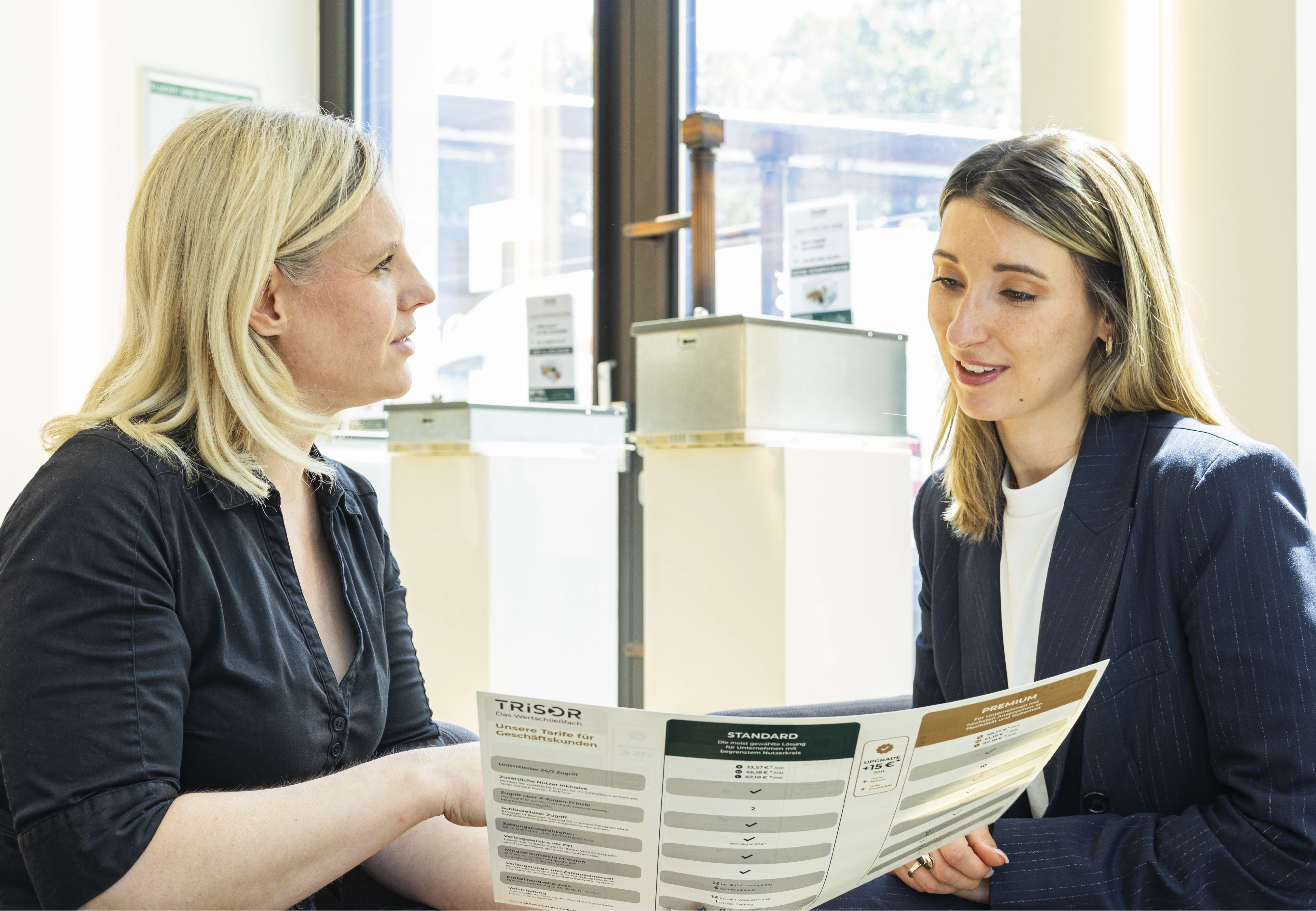
Check if the provider offers various support channels such as on-site service, email, and phone – and whether these are available at fixed, reliable times. For urgent matters, such as blocking an access card or adjusting the insurance amount, a customer portal should ideally be available 24/7.
Currently, we only buy gold at our location in Nuremberg.
We always offer a selection of classic gold bars and coins, such as the popular Krugerrand, available on-site. Additionally, we provide a wide range of products in our online shop at https://shop.trisor.de/. Special editions and mintings can also be ordered. At selected locations, you can also buy and sell gold, silver, and other precious metals in various forms. More information is available at trisor.de/standorte.
The shipping time for your gold order to our locations depends on your chosen delivery method.Standard Shipping (included in the purchase price): approx. 5-15 business days. Express Shipping (available for an additional fee): approx. 1 business day
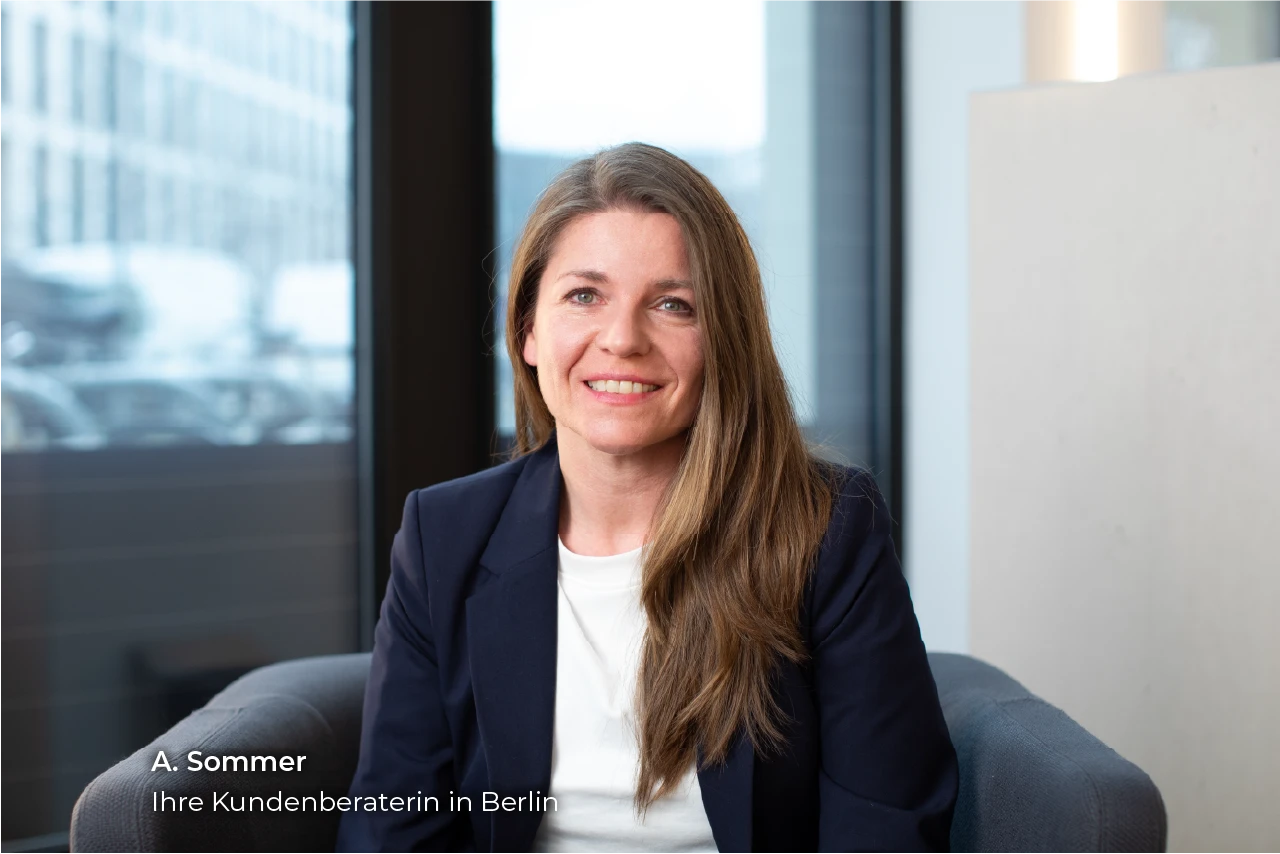
Get a Free Consultation On-Site
Discover the advantages of Trisor, Germany's market leader in automated safe deposit box systems. We are happy to advise you on all the topics mentioned here, in person, at our location.
Not all safe deposit box solutions are the same.
Experience the difference with Trisor.
Frequently asked questions about safe deposit box providers, security, and switching to Trisor
Trisor operates independent high-security facilities with automated vault systems and multi-level access control. Customers have access to their safe deposit box around the clock — independent of bank opening hours or account requirements. In addition, insurance is already included in the tariff and can be individually expanded.