
Doğru kasa hırsızların işini zorlaştırır

Many people are now asking: How can I better protect my valuables after a burglary? A common answer is a safe. But how secure is a home safe really?
Safe Burglary: How Secure Is a Home Safe?
At first glance, a safe provides a strong sense of security. However, not every safe reliably protects against burglary.
Burglars act strategically:
- Lightweight safes are often stolen entirely
- Poorly installed safes can be pried open or removed
- Keys or codes are often found within the same household
Critical point: Many consumer safes weigh less than 100 kg. Experts recommend at least 1,000 kg or proper anchoring.
The EN 1143-1 certification helps, but cannot prevent misuse.
Conclusion: A home safe offers limited protection against targeted burglary.
Burglary Trends 2025/2026: Why Security Matters More Than Ever
Recent developments show:
- Increasing burglary rates in major cities
- More professional criminal groups
- Targeted break-ins during absences
At the same time, stored valuables are increasing:
- Gold and precious metals
- Watches and jewelry
- Documents and data
What to Consider When Choosing a Safe
Security rating
Choose EN 1143-1 certified models.
Weight and anchoring
The heavier, the better.
Location
Avoid obvious places.
Access security
Never store keys nearby.
Why External Safe Deposit Boxes Are Safer Than Home Safes
External storage eliminates access during burglary.
Advantages:
- No physical access for burglars
- High-security infrastructure
- No user errors
- Full discretion
- 24/7 access
Safe vs. Deposit Box: Which Is Better After a Burglary?
- Home safe: medium security, high risk
- External box: very high security, low risk
Conclusion: Rethinking Security
True security often means storing valuables outside your home.
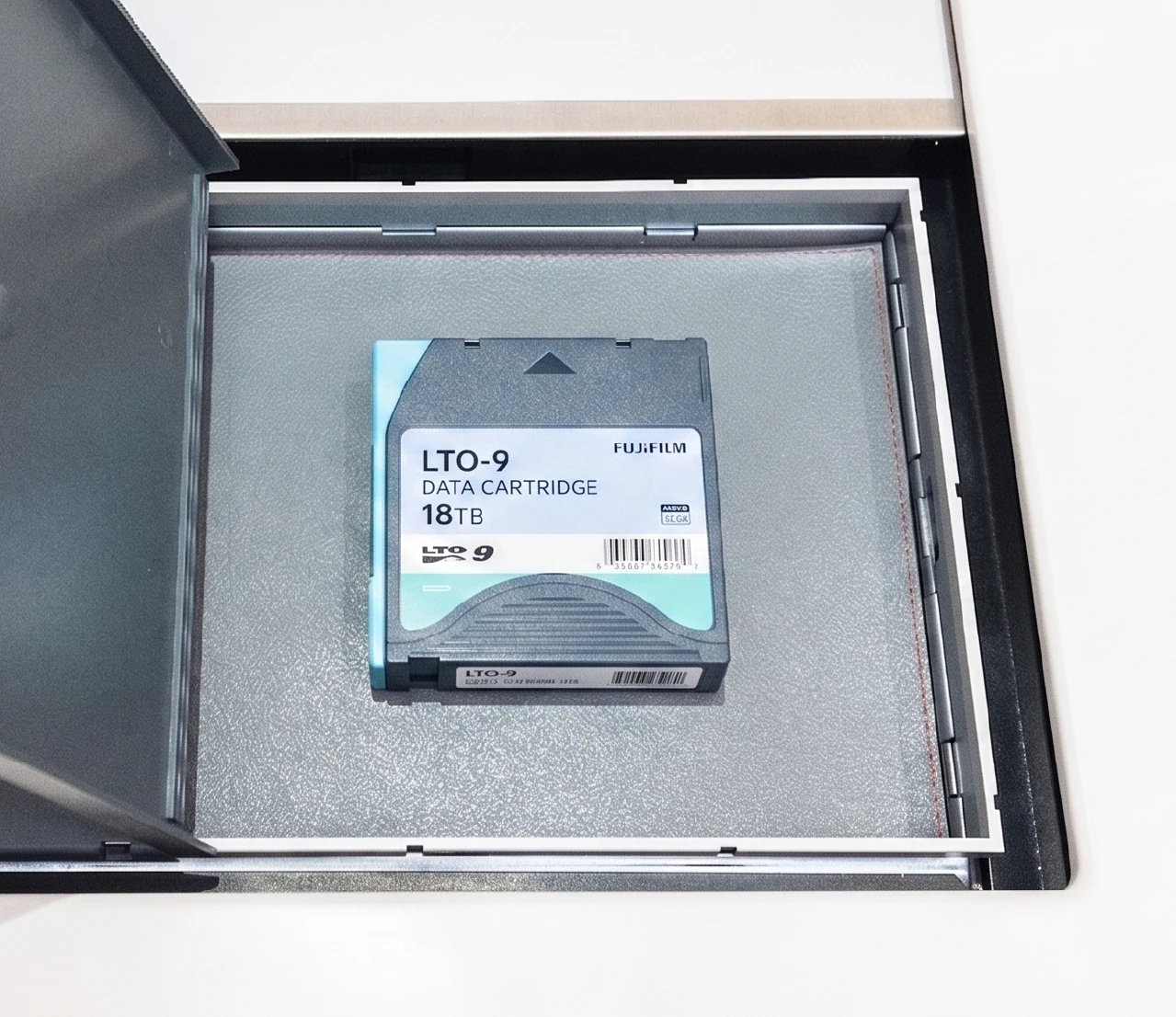
Storing LTO Data Tapes Securely: Why More and More Businesses Are Outsourcing Their Backup
Why businesses should store their LTO backup tapes offsite – risks of keeping them in-house and what matters for secure storage.
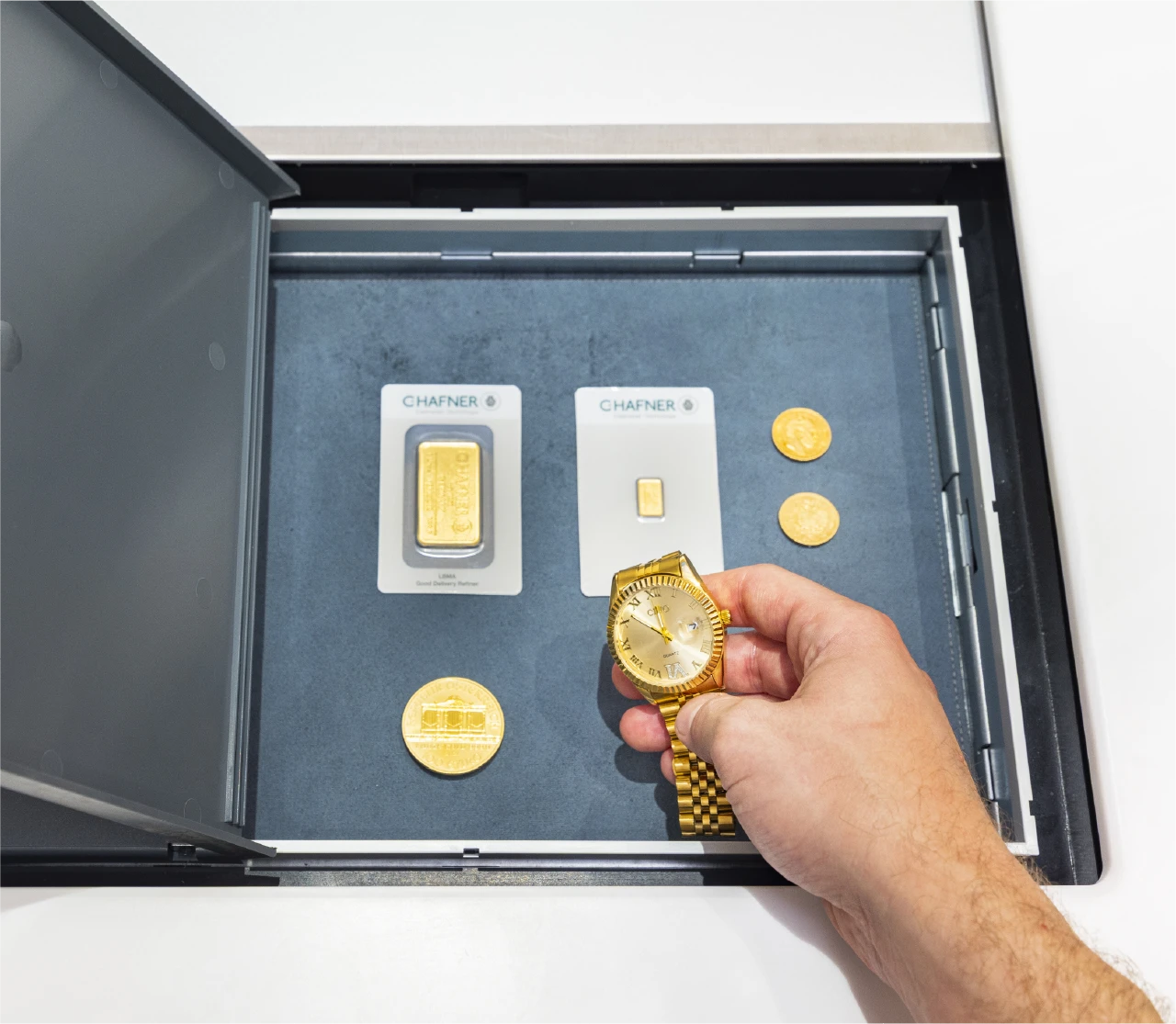
Gold as an Inflation Hedge: What the Data Really Shows
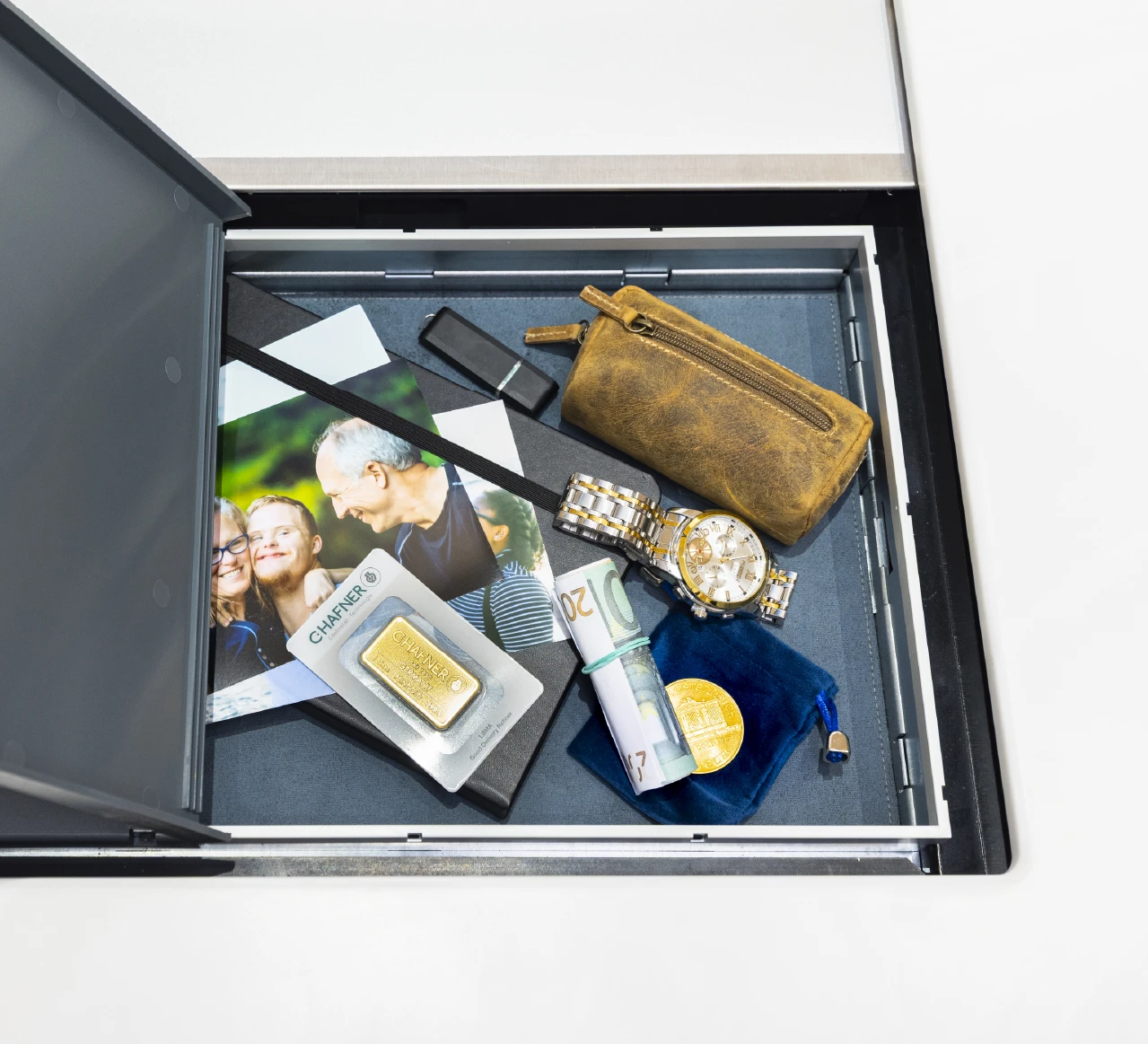

Buying Silver: Why You Pay VAT – But Not on Gold

Gold as an Inflation Hedge: What the Data Really Shows