
Storing LTO Data Tapes Securely: Why More and More Businesses Are Outsourcing Their Backup
Over the past few months, we've noticed a striking number of business customers asking about secure, external storage for their LTO data tapes. What initially looked like a niche topic has confirmed itself as a clear trend: more and more businesses no longer want to keep their backup tapes in their own server room or office building, but at an independent, secured location. A good reason to take a closer look at the topic.
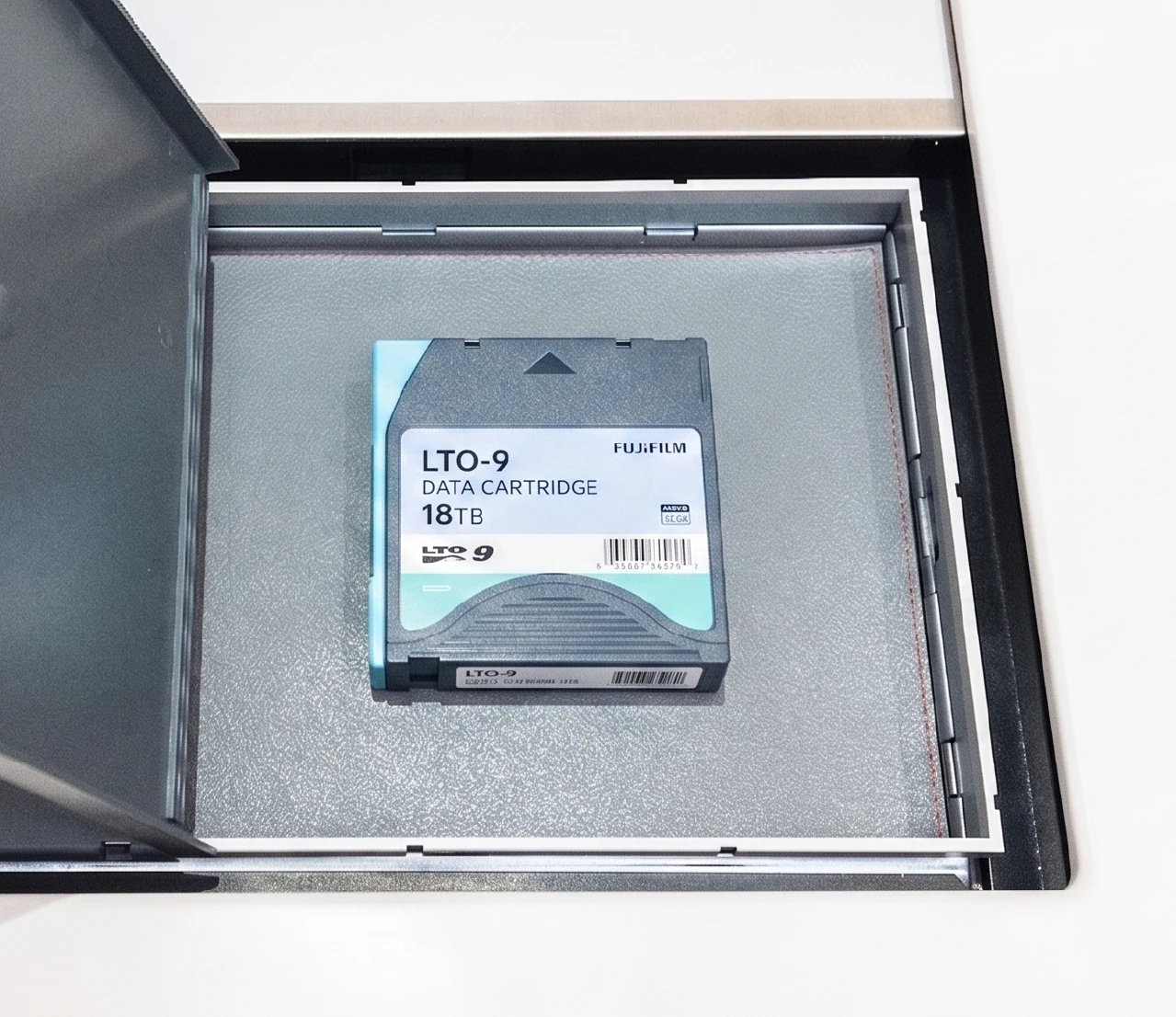
Why LTO Tapes Are Still in Demand Despite Cloud Storage
Despite cloud backups and growing storage capacities, many mid-sized businesses continue to rely on LTO (Linear Tape-Open) technology – for good reason. Tapes offer a low cost per terabyte, often noticeably cheaper than comparable cloud or hard-disk storage for larger data volumes, and a long lifespan when stored correctly. Even more important, though, is the genuine physical separation from the network: a tape that has been removed from the drive is a so-called air-gap medium and cannot be reached, encrypted, or deleted from outside via the internet or the internal network. Especially in the context of ransomware attacks, where attackers deliberately target and encrypt connected backup systems as well, this is a decisive advantage over purely network-based backups.
The Risk: When the Backup Sits Right Next to the Server
The real weak point of many backup strategies isn't the tape technology itself, but where it's stored. If the current LTO tape is kept in the same server cabinet, office cupboard, or storage room as the original data, the advantage of physical separation is lost the moment something bigger happens: a fire, water damage, a break-in, or a power outage with knock-on effects. In such cases, production data and backup are often affected at the same time – which is exactly what a well-thought-out backup strategy is meant to prevent.
On top of that, LTO tapes are sensitive to their environment: for reliable long-term storage, manufacturers recommend, among other things, a temperature between 16 and 25 °C and a relative humidity between 20 and 50 percent. A regular office room or a non-climate-controlled archive often meets these conditions only by chance – over the years, this can create a risk to data readability that only becomes apparent when you try to restore, by which point it's usually too late.
The 3-2-1 Rule – and Why the Offsite Location Is the Most Important Part
The 3-2-1 rule, well established in IT security, recommends keeping three copies of data on two different types of media, with at least one copy stored at a separate, physically distinct location. In practice, this third, offsite component is often neglected because it's the most organizationally demanding: who takes the tape where, who has access, how is the transport documented? This is exactly where external storage in a secured safe deposit box comes in – it makes the offsite component of a backup strategy practically achievable, without needing a second data center or a contract with a large logistics provider. Accordingly, in practice these inquiries don't just come from large IT departments, but especially from smaller and mid-sized businesses running their own tape backups – for example in trades, law firms, or manufacturing.
What External Storage Actually Needs to Deliver for Businesses
For businesses looking to outsource their backup tapes, three things matter most in practice: reliable protection against the classic risks of fire, water, and unauthorized access; access that fits their own backup rhythm; and a clear rule for who in the company can actually get to the tape. Bank-grade vault facilities with certified security technology, permanent security staff, and multi-factor authentication offer a level of protection that would be hard to replicate economically in a company's own office building.
Whether the conditions at a given location also consistently meet every manufacturer specification for temperature, humidity, and magnetic fields can't be answered in general terms and should be checked individually on a case-by-case basis. In practice, it's advisable to store tapes in their designated protective case or a suitable archival container anyway – this further cushions against temperature and humidity fluctuations.
When it comes to access itself, Trisor business safe deposit boxes already include the option to register several authorized persons – useful when different employees are responsible for the monthly tape swap, or when someone needs to be covered while on vacation or sick leave. Anyone looking to protect particularly sensitive data can additionally set up access via the four-eyes principle, so a tape can only be removed when two authorized persons are present together. It's worth taking a closer look at the Trisor business plans here in any case, to find the right safe deposit box size and number of authorized persons for your business.
A Routine That Fits Into Everyday IT Work
In everyday practice, swapping the tape integrates easily into existing processes: after the backup run, an authorized person brings the current tape to the safe deposit box and takes the previous one back to the office. Round-the-clock access without needing an appointment makes this rhythm independent of whether rotation happens weekly, monthly, or after every full backup run – and depending on the box size, even several tape generations can be stored together.
That said, it's also worth being clear about this: a secure offsite location doesn't replace a well-thought-out backup strategy, but complements it exactly where many concepts fall short in practice – physical separation. Which data gets backed up, how often a backup runs, and how long individual generations are retained remains the responsibility of the business's own IT team or external service providers. With an eye on statutory retention requirements for business records, external storage can also help bridge such periods reliably.
Conclusion
The demand from business customers makes it clear: physically separating production data from backups is no longer a purely theoretical IT security concept, but a practical concern that many businesses are actively addressing. LTO tapes remain a proven, cost-efficient medium for this – provided they are stored somewhere that reliably protects against fire, water, and unauthorized access. A business safe deposit box with properly managed multi-person access offers an uncomplicated solution that fits into existing backup routines.
You can read more on business continuity planning in our article Business Continuity Management Starts with Secure Storage. If you'd like to check whether external storage for backup media is right for your business, you'll find more information on Trisor's business safe deposit boxes, or you can book a free, no-obligation consultation directly.

Gold Price Trends Explained: The Structural Drivers at a Glance
Gold price trends explained: how real interest rates, central bank policy, the dollar, geopolitics and supply interact – with current data from the World Gold Council and Bundesbank.
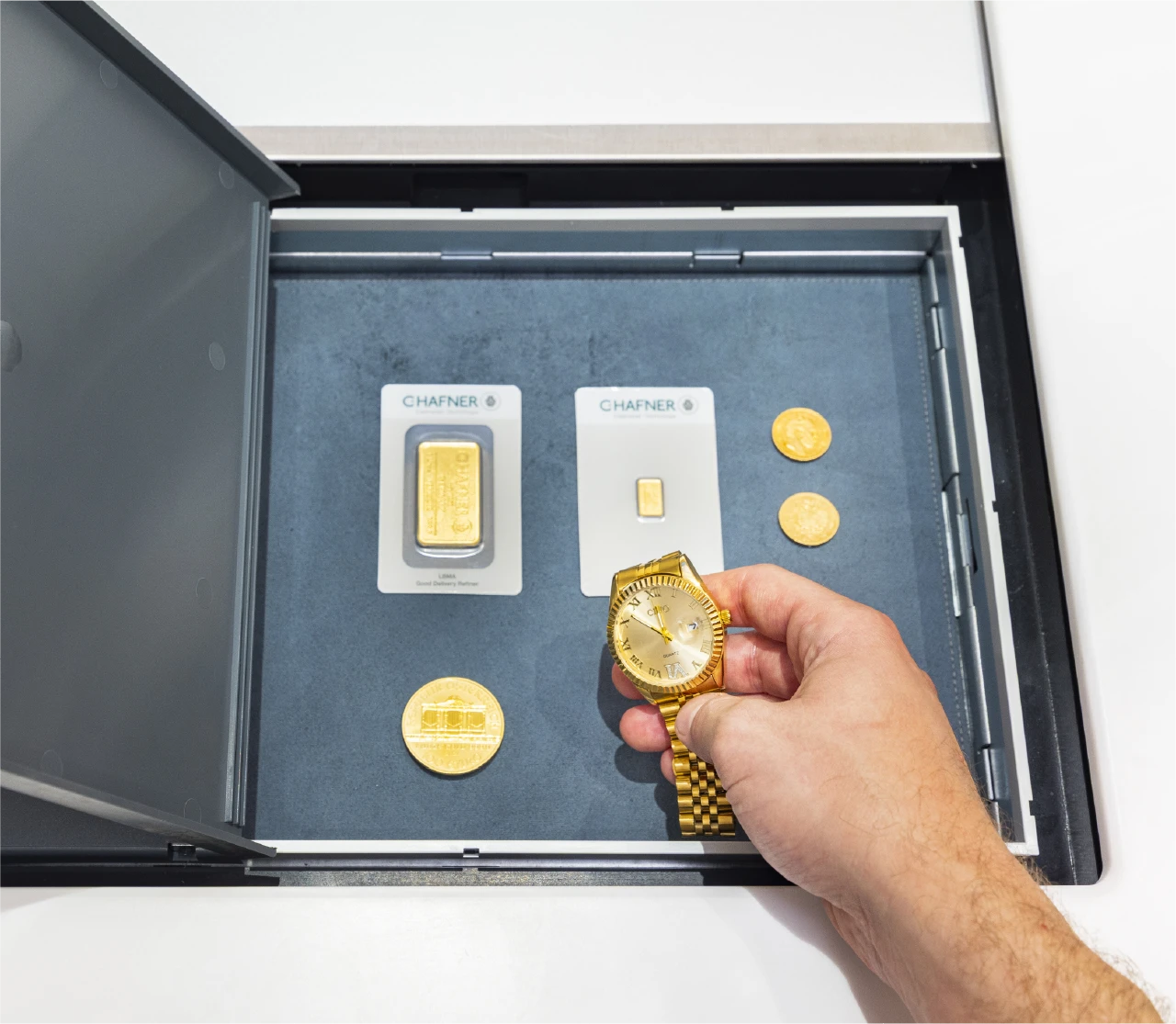
Gold as an Inflation Hedge: What the Data Really Shows
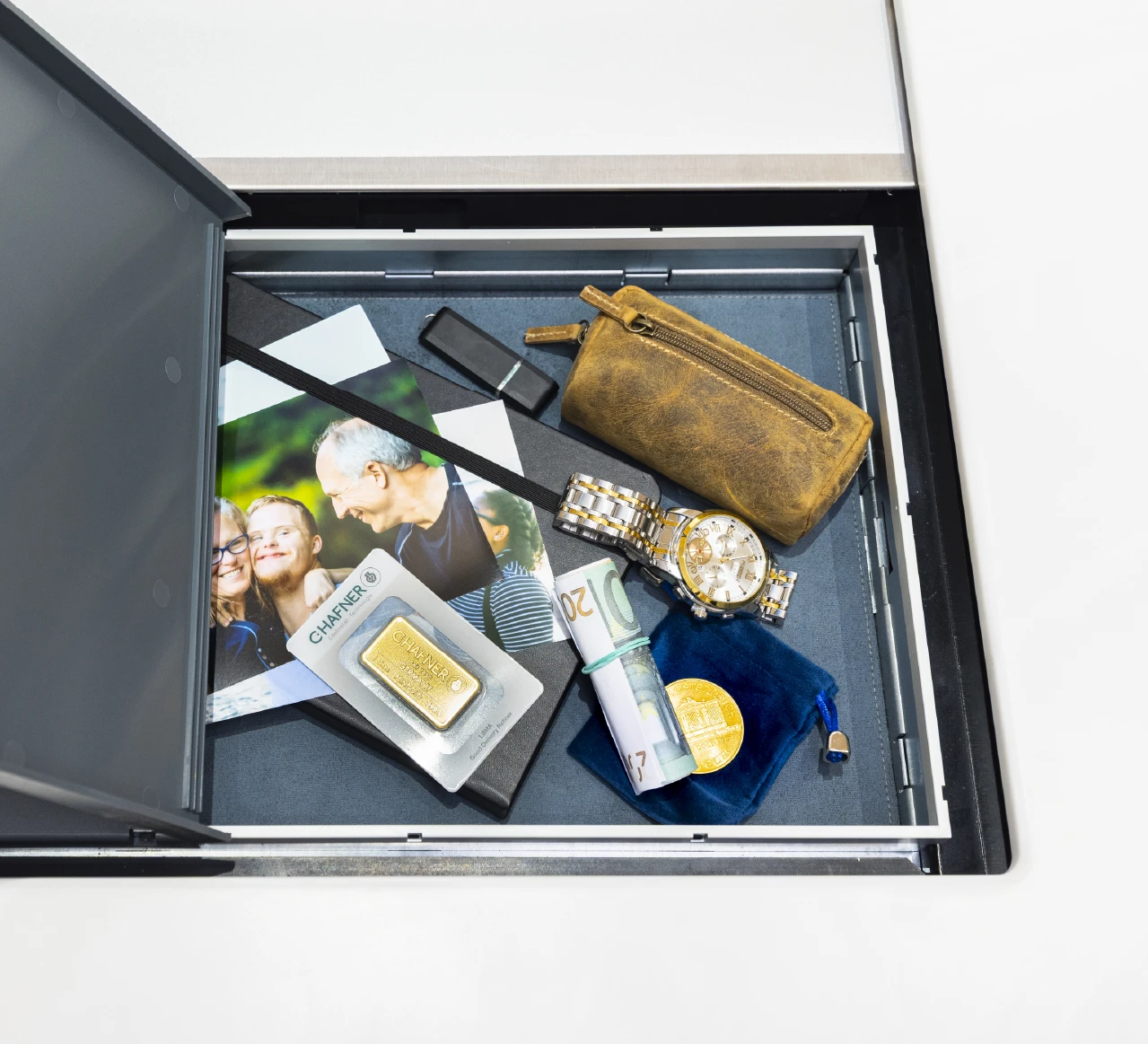

Buying Silver: Why You Pay VAT – But Not on Gold
Gold Price Trends Explained: The Structural Drivers at a Glance
Gold as an Inflation Hedge: What the Data Really Shows