
Gold Allocation in a Portfolio: How Much Really Makes Sense?
Four in ten Germans own physical gold. On average, however, it accounts for just under three percent of their wealth – even though studies suggest an optimal allocation of between five and sixteen percent.
It is impossible to say in general whether this difference is a problem. What can be said is this: determining the right gold allocation is not simply a matter of calculation. It is a question of the role gold is intended to play in your own wealth.
This page is intended to provide factual context and does not constitute investment advice.
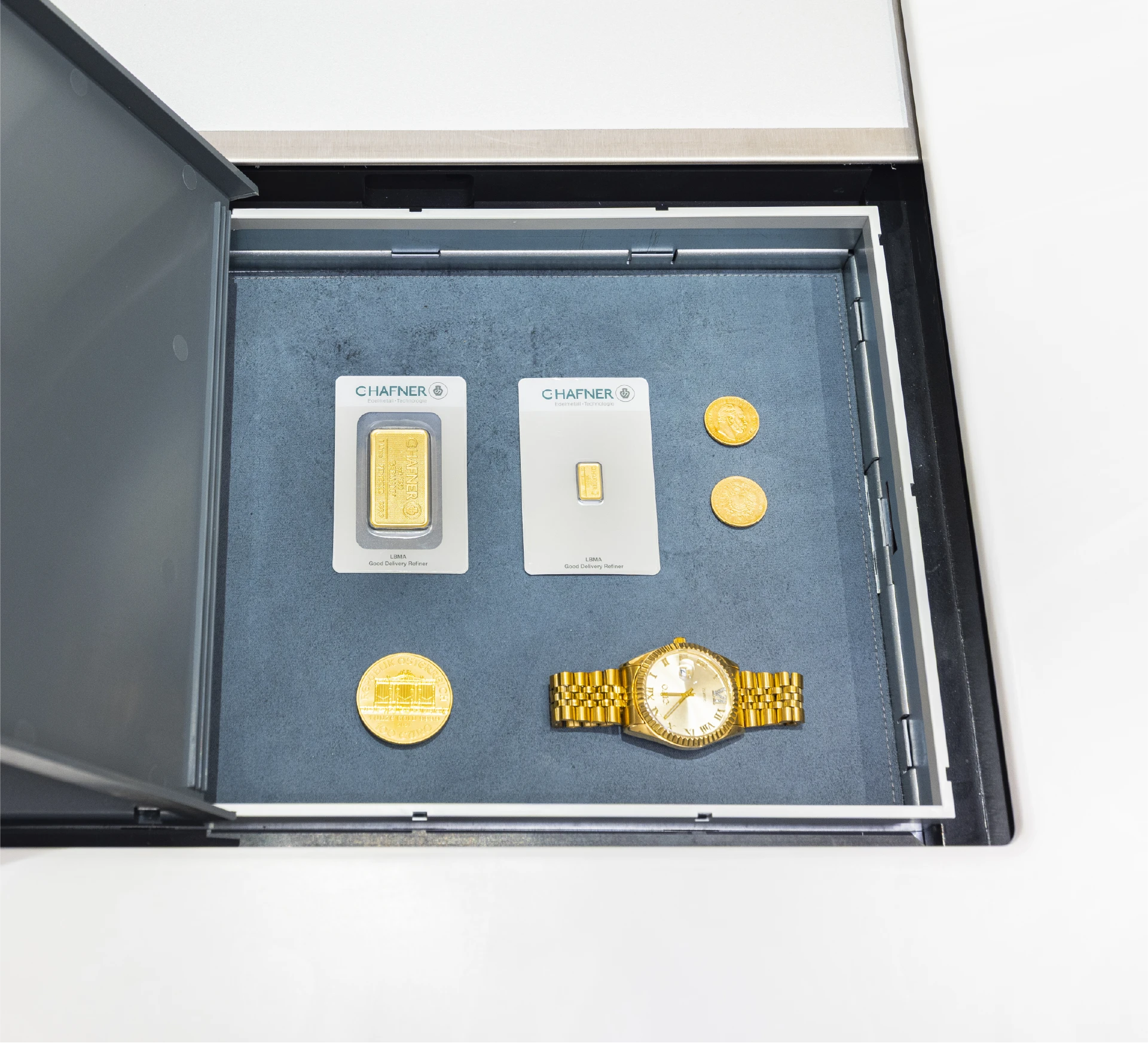

What Research Says About Gold Allocation – and How Much Germans Actually Hold
A study conducted by CFin Research at Steinbeis University and Reisebank examined what allocation of gold can meaningfully complement a portfolio from a risk and return perspective. The result: depending on risk tolerance, investment horizon and existing asset structure, the optimal allocation ranges from five to sixteen percent.
At the same time, the representative Reisebank Gold Study 2024 shows that gold actually accounts for just under three percent of Germans' average asset mix.
This is not a discrepancy that can be resolved simply by increasing the allocation. It is a finding that raises a question: do most investors hold less gold because that is what they want – or because they have never considered the issue systematically?
A study by CFin Research at Steinbeis University and Reisebank (2024) suggests an optimal gold allocation of five to sixteen percent – depending on risk profile, investment horizon and asset structure. According to the same study, the actual average allocation among Germans is just under three percent.

5 to 16 Percent: What Lies Behind the Range
The study's range of five to sixteen percent is not arbitrary. It reflects how different investors' starting positions can be – and how strongly these differences influence an appropriate gold allocation.
Those who are already broadly diversified, have a short investment horizon and a low risk tolerance need less gold. Those with substantial exposure to higher-risk asset classes, a long-term outlook or a specific desire to hedge against systemic risks may benefit from a higher allocation.
For guidance:
5–8% – Gold as a conventional addition to stabilise a portfolio; appropriate when the portfolio is already broadly diversified
8–12% – A stronger hedging component; relevant with a higher equity allocation or significant inflation expectations
12–16% – A deliberate focus on tangible assets and protection against systemic risks; typical with a long-term investment horizon and an explicit aim to hedge against currency risks
Over 16% – A highly individual decision; requires a personal assessment of the concentration in a single asset class
Important: These figures refer to total wealth – including property, liquid assets and other asset classes, not only the securities portfolio.
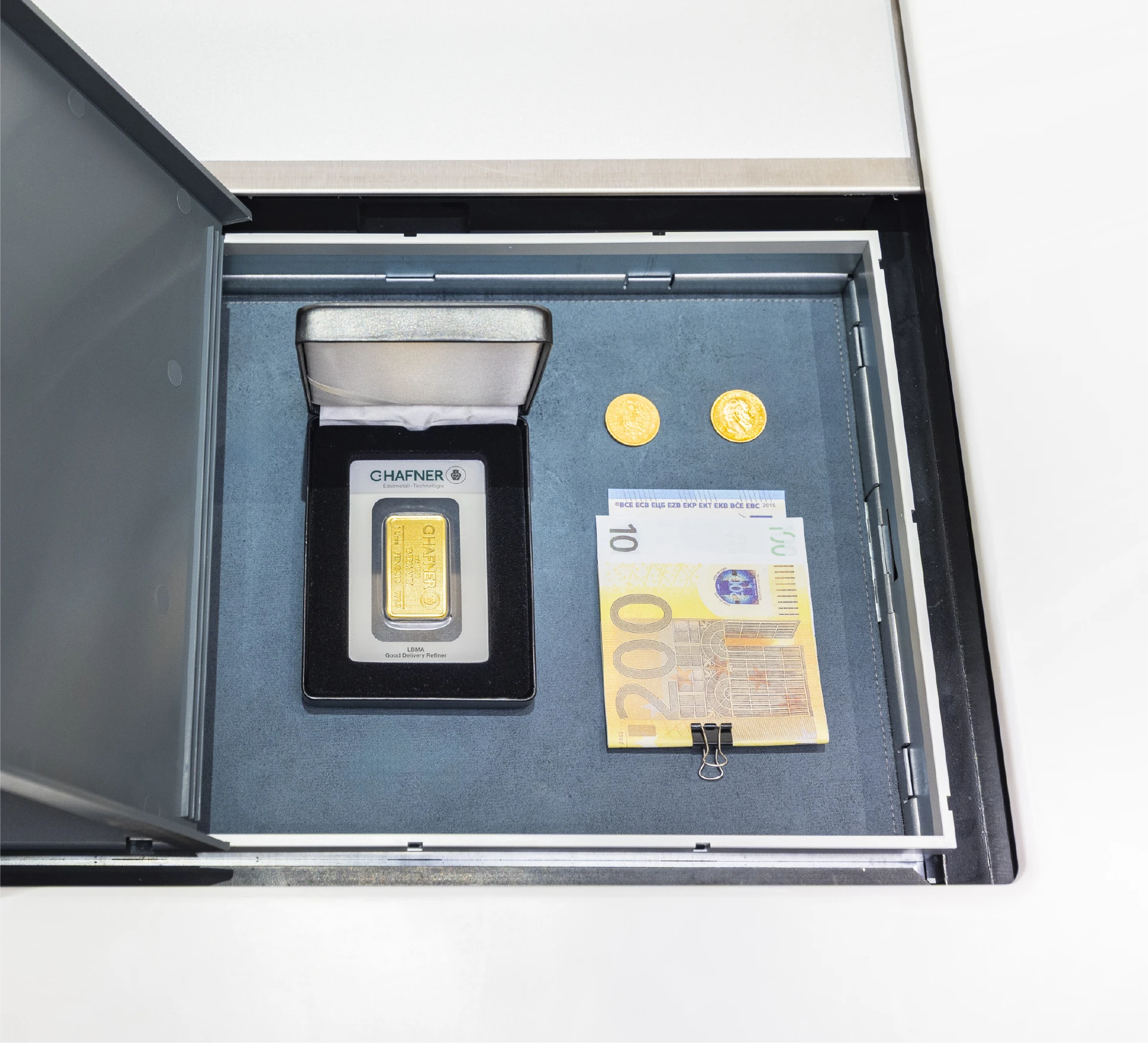
Gold in a Portfolio: Function Before Returns
Gold generates no interest, dividends or regular income. Investors do not hold gold to maximise returns, but to stabilise their overall portfolio.
The World Gold Council describes gold as a strategic component that has historically shown a low correlation with equities and bonds. In WGC model calculations (2025), gold allocations of 2.5 to 10 percent improved the risk-adjusted characteristics of portfolios compared with portfolios without gold.
In practical terms, this means that when equity markets or bonds come under pressure, gold often behaves differently from other positions in the portfolio. It is not a return component – it is a stabilising component.
Gold is not a conventional return-generating component. Its value within a portfolio lies in its low correlation with other asset classes and its function as a store of value outside the conventional financial system.

Gold in Germany: Widely Held, Rarely Integrated Systematically
Nearly 40 percent of adult Germans own physical investment gold – around 27.8 million people. According to the Reisebank Gold Study 2024, their average gold holdings are worth approximately €24,400.
At the same time, a recent gold market study by GOLD.DE (October 2025) shows that 40.4 percent of all private investors manage their gold investments without any overview or systematic tracking. Gold is therefore widely held in Germany, but is rarely treated as a deliberate part of a wealth strategy.
This is one of the key findings: very few people actively consider what the right gold allocation might be. Yet doing so would be the first step towards a decision that genuinely suits their own situation.

What Institutional Investors Do
Gold is not only relevant to private investors. According to the World Gold Council, global central bank purchases exceeded 1,000 tonnes in 2024 for the third consecutive year. Worldwide demand for bars and coins amounted to approximately 1,186 tonnes in 2024.
This does not mean private investors are obliged to follow suit. But it does show that gold continues to be used worldwide as a distinct asset component – not for speculation, but for structural reasons such as diversification, preservation of value and independence from the financial system.
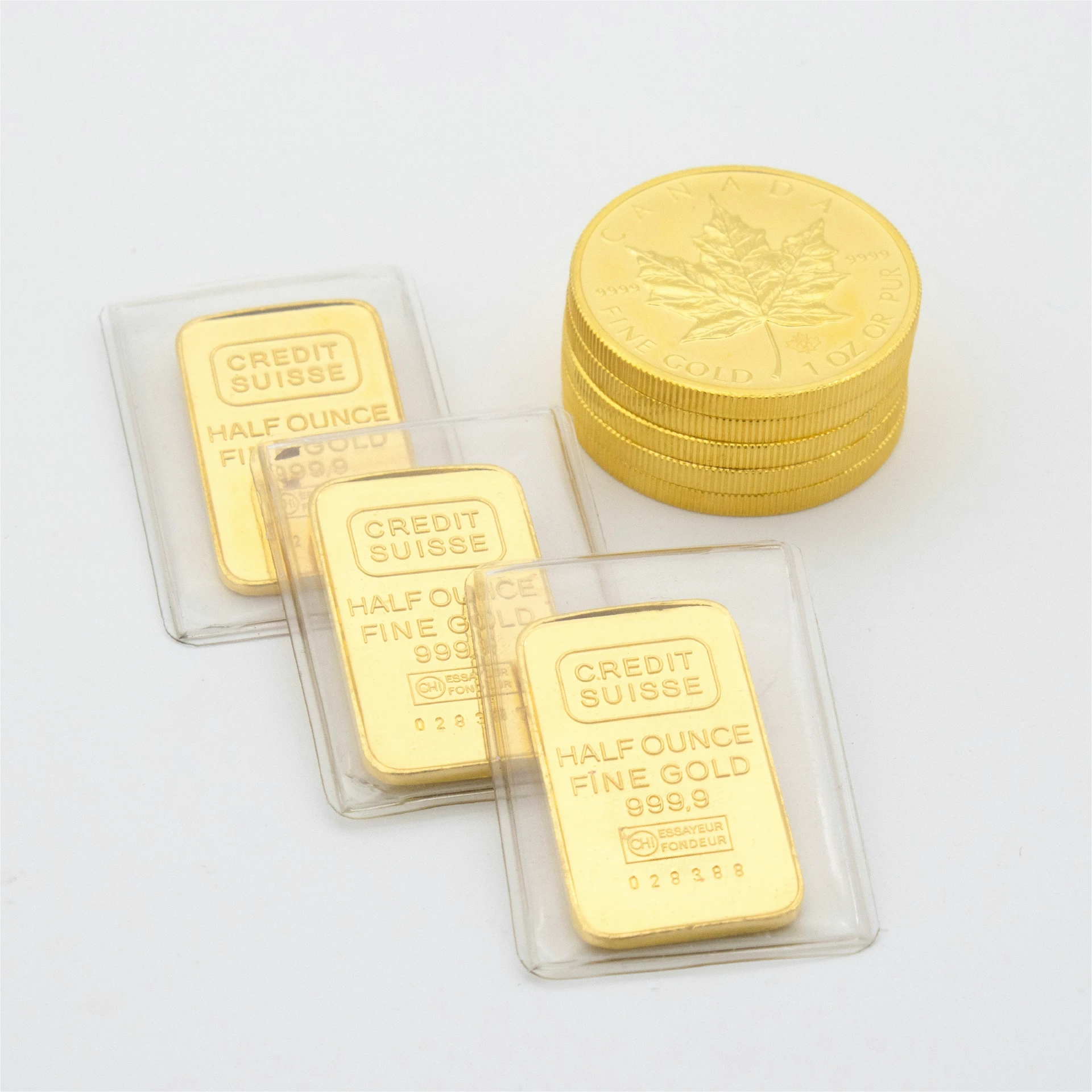
Which Factors Determine the Appropriate Gold Allocation
The CFin Research study identifies three main factors:
Risk tolerance – Those with a higher-risk portfolio who want to hedge may benefit from a higher gold allocation. A lower-risk portfolio that is already well diversified needs less.
Investment horizon – Gold primarily develops its stabilising effect over longer periods. Those who take a long-term view – including across generations – therefore tend to give gold a higher weighting.
Investment spectrum – The more limited the range of other asset classes, the more important gold becomes as a diversification component. Someone with a high concentration in property or equities will view gold differently from someone with a broadly diversified portfolio.
Other factors that may influence the assessment include inflation expectations, liquidity requirements and whether gold is intended as an intergenerational investment. According to Reisebank data, nearly half of German gold owners received their gold as a gift or inheritance – and four out of five intend to keep it.
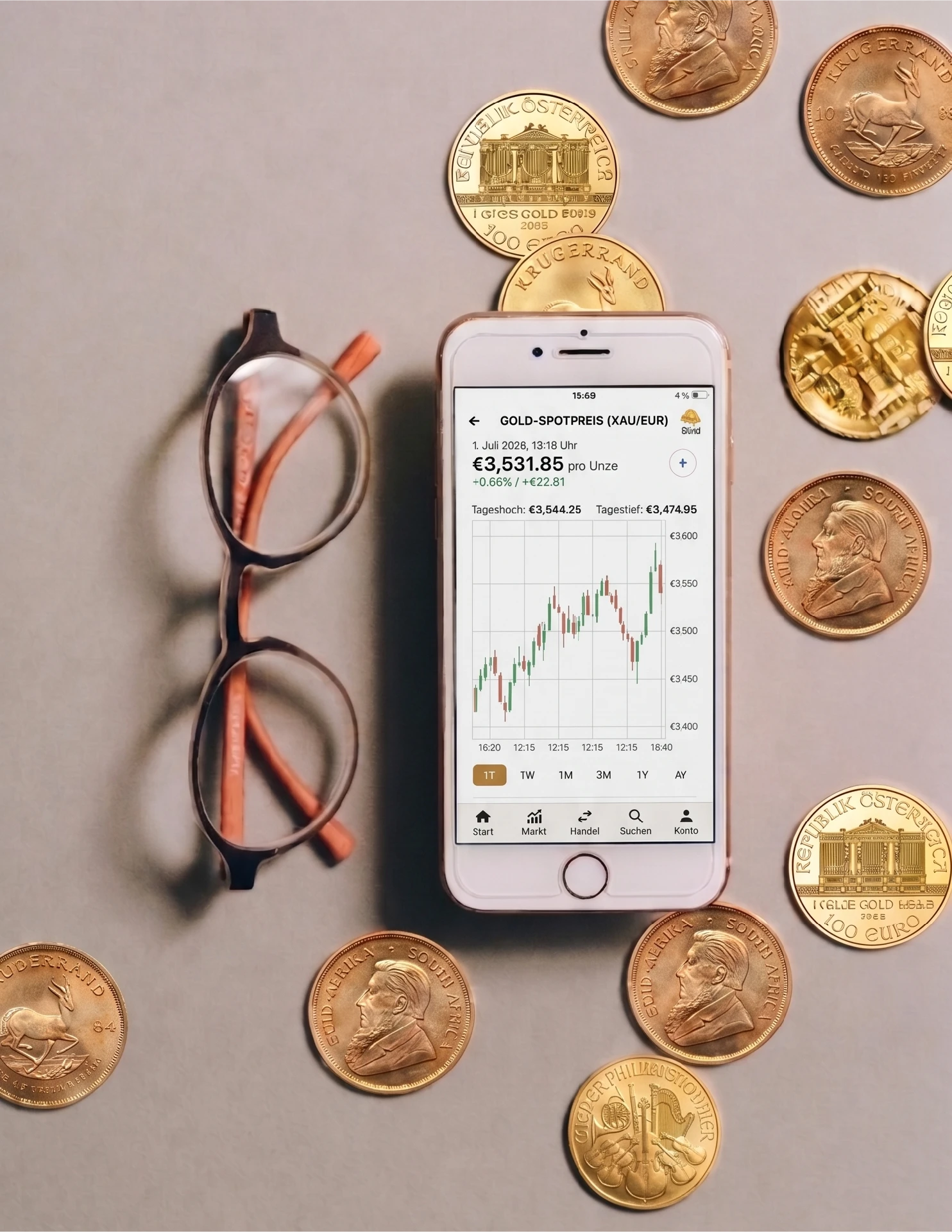
Physical Gold and Gold ETFs: Not the Same Decision
Anyone looking to increase the gold allocation in their portfolio faces another fundamental question: should the gold be held physically, or through an exchange-traded product such as a gold ETC?
Both options reflect movements in the gold price. However, they differ in one essential respect: physical gold exists independently of counterparties, systems and promises. A gold ETC is a security – and as such is part of the financial system that gold, as a hedge, is intended to remain outside of.
Someone who holds gold as a tangible asset reserve outside the conventional banking system is making a different decision from someone who simply wants exposure to price movements. Both decisions are legitimate – but they should be made consciously.

The Gold Allocation Is Only the First Question
Once you have decided how much gold belongs in your portfolio and that it should be held physically, a third question arises: where and how should it be stored?
As the value of the gold increases, so do the requirements. Storing it at home is generally possible, but involves risks: limited household insurance cover, burglary, fire damage and a lack of discretion. At the latest, once gold is no longer held symbolically but as a significant part of your wealth, the question of storage should be addressed proactively.
This is not a separate decision. It is the logical continuation of the decision to hold physical gold.

Store Gold Securely – 24/7, Bank-Independent and Insured
Trisor offers bank-independent, high-security safe deposit boxes for storing gold, precious metals, jewellery, documents and other valuables.
24/7 access – no appointment, no waiting
Bank-independent – outside the conventional financial system
ECB·S-certified high-security vaults
Insurance included, flexibly extendable up to €500,000 per box
Locations in central areas of major German cities
The Right Gold Allocation Is Individual – but It Can Be Planned
A recent study suggests that allocating five to sixteen percent of one's wealth to gold can make sense. In reality, Germans hold just under three percent on average. The gap between these figures does not necessarily indicate a mistake – but it may signal that the question has never been actively considered.
Those who ask it need three answers: how much gold suits their portfolio? In what form should it be held? And where should it be stored?
All three questions are connected. Anyone who answers them consciously has done more than most.