
Buying Silver: Why You Pay VAT – But Not on Gold
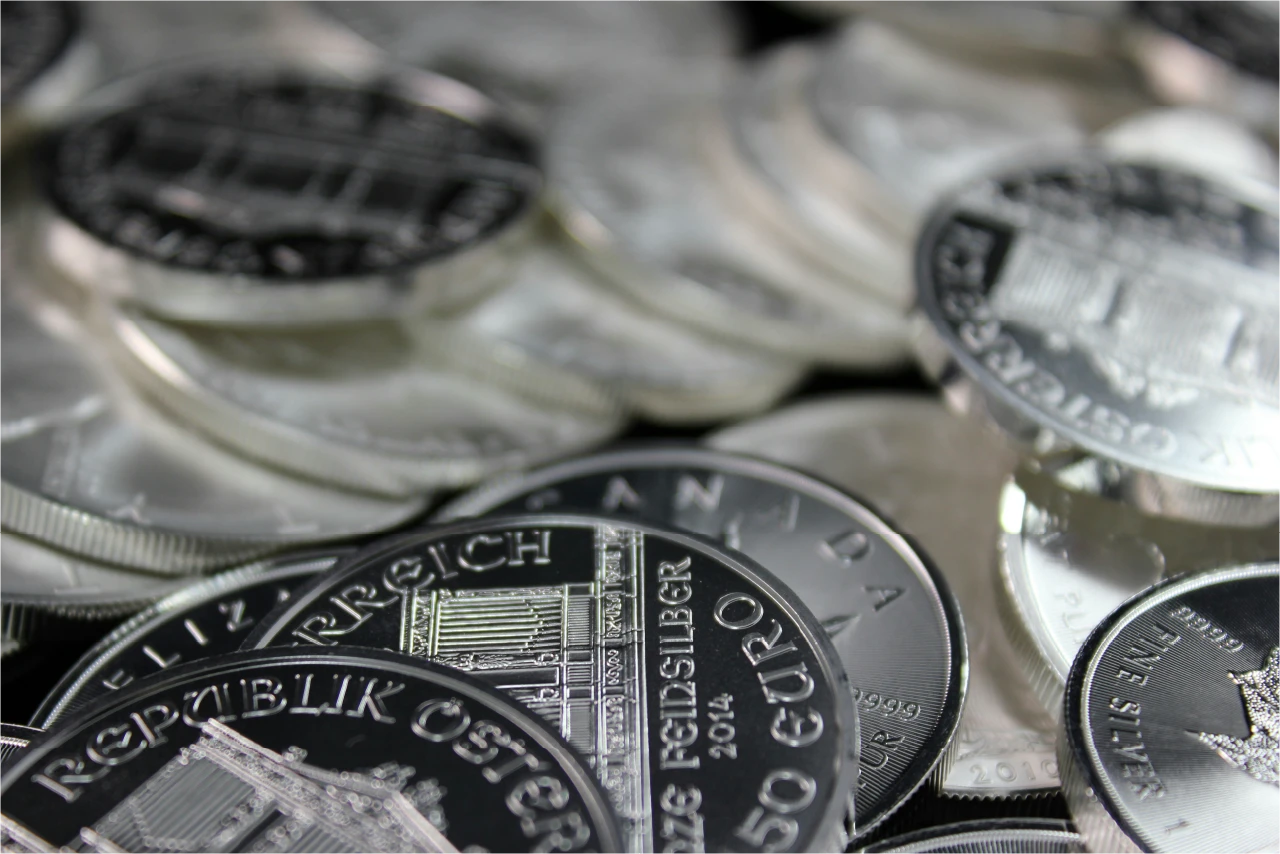
Why Is Investment Gold VAT-Exempt, But Not Silver?
The exemption traces back to EU Council Directive 98/80/EC of 12 October 1998, transposed into German law on 1 January 2000 (Section 25c of the German VAT Act, UStG) and carried forward since 2007 in Articles 344 to 356 of the EU VAT Directive (2006/112/EC). Under this rule, "investment gold" covers gold bars with a fineness of at least 995/1000, as well as gold coins with a fineness of at least 900/1000 that were minted after 1800, are or were legal tender in their country of origin, and are usually sold at a price no more than 80 percent above the open-market value of their gold content. The supply, import and intra-EU acquisition of such investment gold is VAT-exempt across the entire EU.
Silver simply isn't covered by this provision — lawmakers classify it primarily as an industrial and consumer metal rather than a monetary one, despite its role as an investment asset. In practice, this means anyone buying silver from a dealer in Germany pays the standard VAT rate of 19 percent on the purchase price, while buying investment gold attracts no VAT at all.
Margin Taxation (Differenzbesteuerung) for Silver Explained
One way around full taxation is Germany's margin taxation scheme under Section 25a UStG: if a dealer buys silver from a private individual who doesn't charge VAT, and then resells it, the dealer only has to pay 19 percent VAT on the margin — the difference between the buying and selling price — rather than on the full sale price. That meaningfully lowers the price for buyers, because most of the metal's pure value stays untaxed.
Newly minted silver coins and coin-bars imported from non-EU countries were also eligible for this treatment for a while, but the German Federal Ministry of Finance (BMF) has progressively tightened the rules since late 2022 — most recently through a decree dated 9 April 2026 that also ties the VAT exemption previously available in bonded customs warehouses to conditions most private investors can't realistically meet. As of August 2026, margin taxation on silver mainly still applies to used silver bought from private sellers and to numismatic collector coins — not to newly imported stock. Silver bars were never eligible to the same extent as coins in the first place: freshly cast bars are almost always subject to full standard taxation at 19 percent.
A Worked Example: How the Tax Affects the Purchase Price
On 3 August 2026, the silver price stood at around 49 euros per troy ounce (31.1 grams) according to gold.de, or just under 1.58 euros per gram. The gold price at the same time was roughly 3,505 euros per troy ounce.
Anyone buying a new 1-kilogram silver bar pays a net price of about 1,659 euros: the pure metal value of around 1,580 euros plus a typical dealer premium of, say, 5 percent (≈ 79 euros). On top of that comes 19 percent VAT (≈ 315 euros) — bringing the gross price to roughly 1,974 euros. A one-ounce gold bar (31.1 grams) at 3,505 euros plus a premium of, say, 3 percent (≈ 105 euros) costs around 3,610 euros by comparison — with no VAT at all. If the investor later sells the silver bar back to a dealer, they will usually only be paid the net metal value: a private individual does not get the VAT paid at purchase refunded. The silver price would therefore have to rise by around 19 percent for tax reasons alone, just for the gross purchase price to be recouped.
Alternative: Buying Silver via Securities Instead of Physically
Anyone looking to avoid VAT on silver doesn't necessarily have to give up on the metal altogether. Silver ETCs (Exchange Traded Commodities) such as the iShares Physical Silver ETC or the WisdomTree Core Physical Silver ETC trade as securities through a brokerage account and — unlike buying a bar or coin — attract no VAT, since there's no physical delivery to the buyer. However, gains on such ETCs are usually subject to Germany's flat 25 percent capital gains tax (plus solidarity surcharge), regardless of how long they're held. Only ETCs that include a contractual right to physical redemption — typically only above a certain minimum quantity — can be sold tax-free after a one-year holding period, just like physical silver. Investors who want to hold tangible silver, though, can't avoid the VAT or margin-taxation question described above.
What This Means for Investors: Silver or Gold as an Investment?
VAT makes silver structurally unattractive for short-term speculation: reselling shortly after a purchase almost automatically produces a loss equal to the tax paid, even if the silver price holds steady. That makes silver better suited to investors who see the metal as a long-term store of value or a collectible — think silver cutlery, collector coins, or a small long-term allocation rather than something to trade frequently.
Anyone weighing silver against gold as an investment should factor in this tax difference: gold's VAT exemption keeps buying costs lower, which also makes it suitable for medium-term positions. Silver requires a longer holding period to offset its tax burden — even though the metal has historically also offered outsized price gains during rallies. Both metals have their place in a portfolio; the tax question is simply a factor many first-time buyers underestimate.
Anyone who already owns silver, or is about to buy some, should next think about secure, suitable storage — all the more so because silver takes up far more volume and weight per euro invested than gold. Find out more on our page about silver storage.
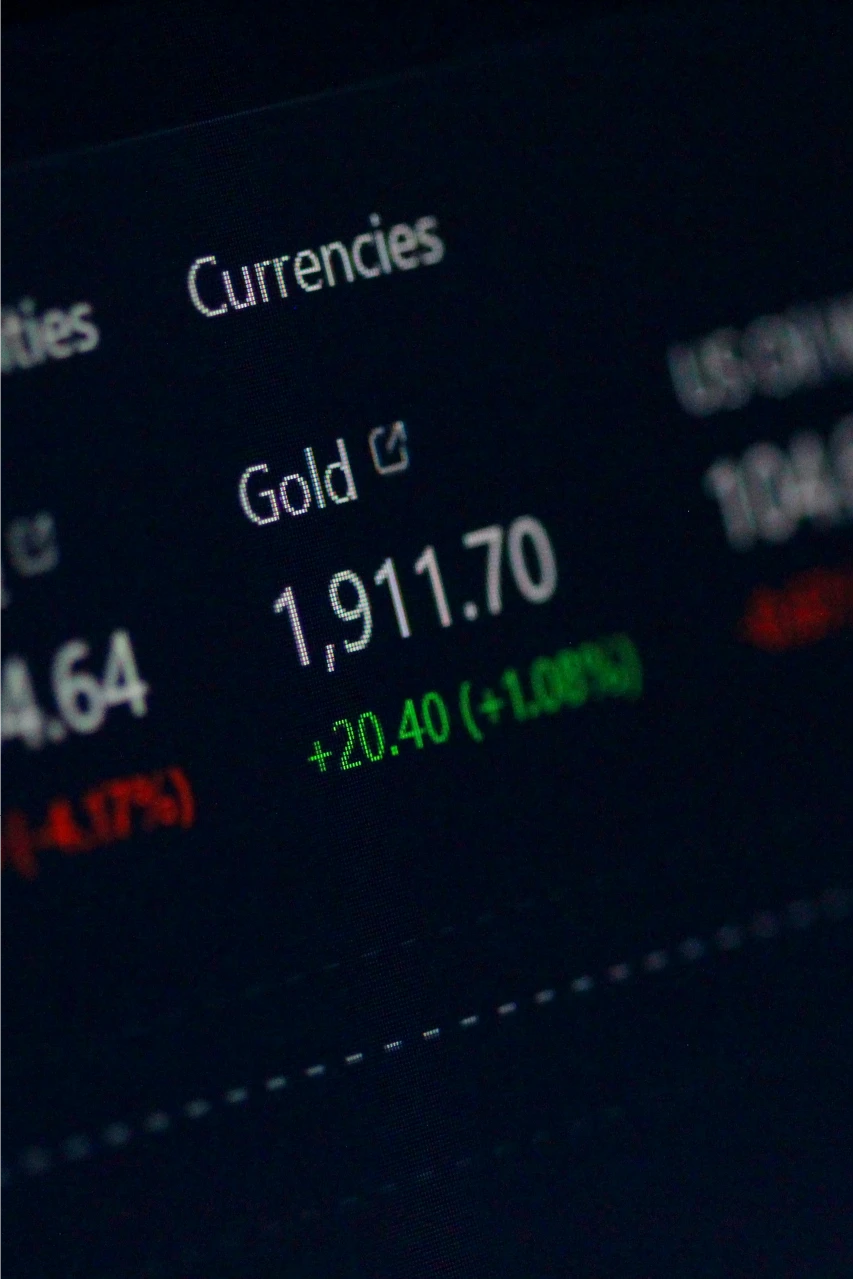
Gold Price Trends Explained: The Structural Drivers at a Glance
Gold price trends explained: how real interest rates, central bank policy, the dollar, geopolitics and supply interact – with current data from the World Gold Council and Bundesbank.
Gold as an Inflation Hedge: What the Data Really Shows
Buying Silver: Why You Pay VAT – But Not on Gold
Gold Price Trends Explained: The Structural Drivers at a Glance
Gold as an Inflation Hedge: What the Data Really Shows